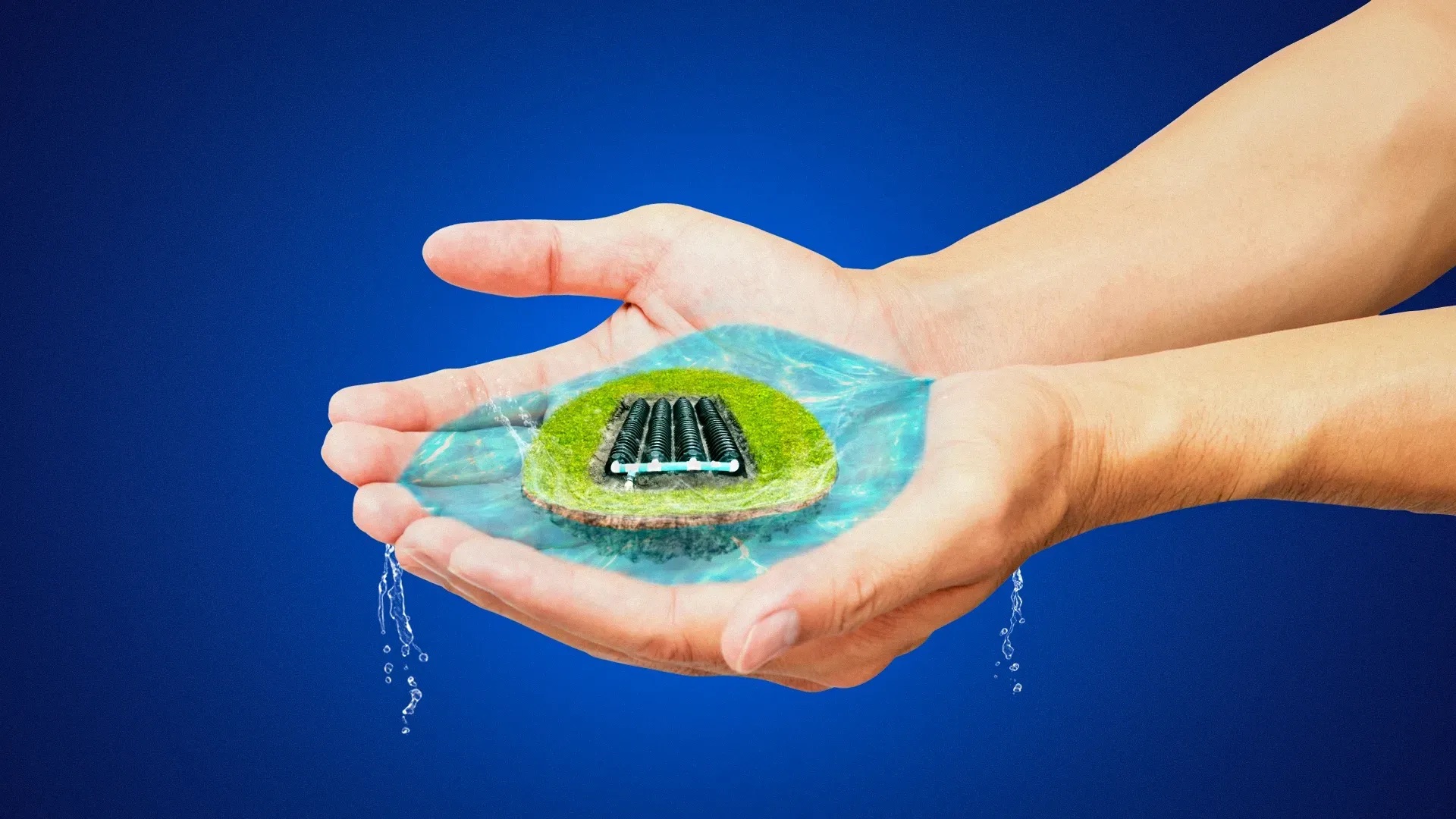

Water plays a critical role in how a septic system functions, particularly in the performance of the drainfield. While the drainfield is designed to manage and filter wastewater, it has limits. Excessive water use can overwhelm the system, reduce treatment effectiveness, and lead to costly damage over time.
Understanding how water usage affects a drainfield—and how to conserve water effectively—can help extend the life of a septic system and prevent common failures.
Why Water Conservation Matters for Drainfields
After wastewater leaves the septic tank, it enters the drainfield as liquid effluent. The surrounding soil absorbs and filters this effluent, removing contaminants before the water returns to the groundwater. This process relies on balanced moisture levels in the soil.
When too much water enters the system at once, several problems can occur:
-
Soil becomes oversaturated, reducing its ability to absorb and filter wastewater
-
Excess flow can push solids out of the septic tank and into the drainfield
-
System components experience increased stress, shortening overall lifespan
Water conservation is essential not only for environmental reasons, but also for maintaining proper drainfield function.
Benefits of Conserving Water in a Septic System
Reducing water usage offers multiple benefits for drainfield health, including:
-
Improved Drainfield Performance: Soil can filter wastewater more effectively when not oversaturated
-
Extended System Lifespan: Reduced strain lowers the risk of premature drainfield failure
-
Fewer System Issues: Lower risk of backups, surface pooling, and odor problems
-
Reduced Costs: Lower water bills and fewer septic-related repairs
Consistent water conservation helps maintain system balance and reliability.
How Excessive Water Use Damages Drainfields
Excess water entering a septic system can cause several forms of damage:
Saturated Soil
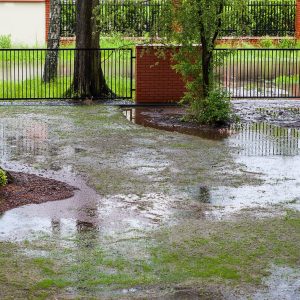
When soil becomes overly wet, it cannot absorb additional wastewater. This can result in surface pooling and slow drainage throughout the system.
Solids Migration
Overloaded septic tanks may allow solids to escape into the drainfield, where they clog pipes and soil pores.
Soil Compaction
Constant oversaturation can compact soil over time, reducing its permeability and effectiveness in treating wastewater.
Practical Ways to Conserve Water and Protect Your Drainfield
Water conservation does not require major lifestyle changes. Small adjustments can significantly reduce strain on a septic system.
Repair Plumbing Leaks
Leaking faucets and running toilets can waste large volumes of water daily. Prompt repairs prevent unnecessary system overload.
Use Water-Efficient Fixtures
Low-flow toilets, faucets, and showerheads reduce water use without sacrificing performance. Modern appliances are designed to conserve water while maintaining efficiency.
Spread Out Water-Heavy Activities
Running multiple water-intensive appliances at once can overwhelm the system. Laundry and dishwashing should be spaced out to allow the drainfield time to process wastewater.
Reduce Shower Duration
Shorter showers significantly lower daily water use and reduce strain on the septic system.
Signs of Excessive Water Use Affecting a Drainfield
Certain symptoms may indicate that a drainfield is being overloaded with water:
-
Slow drainage in sinks, showers, or toilets
-
Standing water or soggy soil near the drainfield
-
Sewage odors in the yard or around the system
If these signs appear, reducing water usage and having the system evaluated can help prevent further damage.
Making Water Conservation a Household Habit
Effective water conservation is easier when everyone in the household participates. Awareness of how water use impacts the septic system encourages more consistent habits and helps maintain long-term system health.
Tracking water usage, fixing issues promptly, and practicing mindful consumption can collectively reduce stress on the drainfield.
Water conservation plays a direct role in protecting drainfield function and extending the life of a septic system. By reducing excess water flow, homeowners can prevent soil saturation, minimize the risk of clogs and backups, and avoid costly repairs.
Consistent, thoughtful water use supports proper wastewater treatment and helps ensure that the drainfield continues to operate as intended for many years.