
A drainfield, also known as a leach field, is a critical component of a septic system. It serves as the final stage in the treatment of wastewater from homes and buildings that are not connected to municipal sewer systems. Understanding how a drainfield functions requires looking at the overall septic system process and recognizing the drainfield’s role in protecting both environmental health and system longevity.
How a Septic System Works
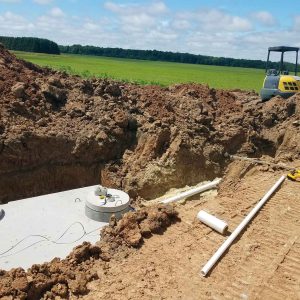
A standard septic system consists of two primary components: a septic tank and a drainfield. Wastewater generated from household activities—such as flushing toilets, washing dishes, and bathing—flows into the septic tank. Inside the tank, the wastewater separates into three distinct layers:
1. Scum
The top layer consists of oils, fats, and grease that float on the surface.
2. Effluent
The middle layer is liquid wastewater, which makes up the majority of the tank’s contents.
3. Sludge
Solid waste settles at the bottom of the tank, forming a dense layer of sediment.
The septic tank’s function is to separate these layers and allow naturally occurring bacteria to begin breaking down organic material in the scum and sludge. However, the liquid effluent still contains nutrients, bacteria, and other contaminants that require further treatment. This treatment occurs in the drainfield.
The Role of the Drainfield
Once wastewater leaves the septic tank, the effluent flows into the drainfield. A drainfield is typically made up of a network of perforated pipes installed in gravel-filled trenches or similar filtering media. These pipes distribute the effluent evenly across a designated area of soil.
As the effluent slowly exits the pipes, it percolates downward through the surrounding soil. During this process, the soil and microorganisms work together to treat the wastewater before it reaches groundwater.
Soil Filtration and Biological Treatment
The most important function of a drainfield is natural filtration and biological treatment. The soil acts as both a physical filter and a biological treatment system.
1. Initial Filtration
As effluent enters the soil, larger particles and suspended solids are trapped near the surface. This prevents debris from moving deeper into the ground.
2. Microbial Breakdown
Beneficial microorganisms in the soil—such as bacteria and fungi—break down organic matter and reduce harmful pathogens. These microbes convert complex compounds into simpler, less harmful substances.
3. Nutrient Reduction
Excess nutrients, including nitrogen and phosphorus, are absorbed by plants or transformed into harmless gases that dissipate into the atmosphere. This process helps prevent nutrient pollution in groundwater and nearby surface water.
Why the Drainfield Is Essential
The drainfield provides the final and most critical stage of wastewater treatment. Without a properly functioning drainfield, partially treated wastewater could contaminate groundwater, streams, lakes, or drinking water supplies.
A healthy drainfield ensures that wastewater is safely dispersed and treated in the soil, protecting public health and the surrounding environment. When a drainfield fails, the result may include sewage backups, surface pooling, foul odors, and expensive repairs.
Factors That Influence Drainfield Performance
Several conditions affect how efficiently a drainfield operates and how long it will last.
1. Soil Type
Soil composition determines how well wastewater is absorbed and filtered. Sandy or loamy soils typically perform well, while clay-heavy soils drain slowly and are more prone to saturation.
2. Water Usage
High water usage can overwhelm the drainfield, preventing proper treatment. Spacing out water-heavy activities and conserving water helps prevent oversaturation.
3. Drainfield Design
Proper design ensures even distribution of effluent across the drainfield. Poor design can lead to uneven loading, localized saturation, and premature failure.
4. Maintenance Practices
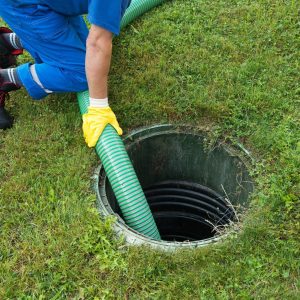
Regular septic tank pumping and inspections prevent solids from entering the drainfield, which can clog pipes and soil pores. Maintenance is essential for long-term performance.
Signs of Drainfield Problems
Recognizing early warning signs allows issues to be addressed before significant damage occurs.
1. Slow Drains
Widespread slow drainage may indicate a saturated or failing drainfield.
2. Foul Odors
Persistent sewage smells near the septic system or yard can signal that wastewater is not being properly absorbed.
3. Standing Water
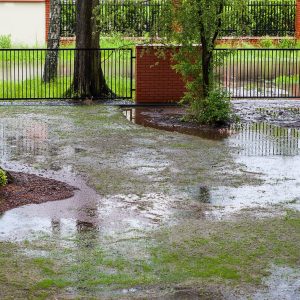
Puddles or soggy areas near the drainfield suggest that the soil can no longer accept additional effluent.
4. Unusually Green Grass
Excessively lush or fast-growing grass over the drainfield may indicate surfacing wastewater acting as fertilizer.
The drainfield is a vital component of any septic system, providing the final treatment step that protects groundwater and environmental health. Understanding how a drainfield works, what affects its performance, and how to recognize early signs of trouble can help homeowners avoid costly repairs and system failure.
Routine inspections, responsible water use, and timely septic tank maintenance are essential to keeping a drainfield functioning effectively. By taking a proactive approach, homeowners can extend the lifespan of their septic system and reduce environmental risk while maintaining reliable wastewater treatment for years to come.