
The drainfield is the final and most critical stage of a septic system, responsible for evenly dispersing treated wastewater into the soil. When distribution becomes uneven, certain areas of the drainfield can become oversaturated while others remain underutilized. This imbalance can lead to surface pooling, odors, slow plumbing drains, or system backups.
Uneven distribution is a common septic system issue, and in many cases, it can be diagnosed and corrected with proper inspection and maintenance.
What Causes Uneven Distribution in a Drainfield?
Uneven distribution occurs when wastewater does not flow equally through all drainfield lines. Several factors may contribute:
1. Distribution Box Issues
The distribution box (D-box) regulates how effluent is directed into each drainfield lateral. If the box is cracked, clogged, damaged, or no longer level, wastewater may favor certain lines while bypassing others.
2. Collapsed or Damaged Pipes
Collapsed or crushed drainfield pipes restrict flow, forcing wastewater into fewer lines and overloading portions of the field.
3. Improper Trench Depth
Drainfield trenches installed too deep may prevent effluent from interacting with oxygen-rich soil layers, reducing absorption and causing pooling.
4. Clogs and Blockages
Accumulated solids, biomat buildup, or debris within lateral lines can obstruct flow and disrupt even distribution.
5. High Groundwater Levels
Elevated groundwater can saturate soil, limiting absorption capacity and forcing wastewater to surface or back up.
Signs of Uneven Distribution
Common indicators that a drainfield may be distributing wastewater unevenly include:
-
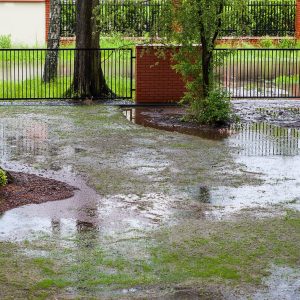
Persistent standing water or ponding over the drainfield
-
Soggy or spongy ground in isolated areas
-
Slow drainage throughout the home
-
Foul odors near the drainfield or distribution box
-
Uneven vegetation growth above drainfield lines
These symptoms often indicate that some sections of the system are overloaded while others are not functioning as intended.
How to Troubleshoot Uneven Drainfield Distribution
1. Inspect the Distribution Box
The D-box is often the starting point for diagnosis.
-
Check for structural damage or cracks
-
Remove debris or sediment buildup
-
Verify that the box is level
-
Adjust or install flow equalizers if necessary
If the box is deteriorated or cannot be leveled, replacement may be required.
2. Conduct a Dye Test
A dye test helps identify where wastewater is surfacing or failing to absorb properly.
-
Dye is introduced into the system
-
Appearance of dye at the surface indicates distribution or absorption problems
This method helps pinpoint problem areas without excavation.
3. Inspect Drainfield Pipes
Damaged or collapsed pipes should be identified and repaired promptly.
-
Look for restricted flow or backed-up lines
-
Replace damaged pipe sections to restore balanced flow
4. Clear Blocked Lateral Lines
If clogs are suspected, professional line cleaning may be required.
-
High-pressure water jetting can remove accumulated debris
-
This restores proper flow without damaging drainfield components
5. Aerate Compacted Soil
Compacted soil restricts wastewater absorption.
-
Soil aeration improves percolation
-
It can also reduce biomat density near drainfield trenches
Specialized aeration methods may be used depending on soil conditions.
6. Inspect and Maintain Effluent Filters
Effluent filters prevent solids from entering the drainfield.
-
Clean filters regularly
-
Replace damaged or missing filters
Failure to maintain filters increases the risk of drainfield clogging and uneven distribution.
7. Evaluate Drainfield Depth
Trenches that are too deep may require corrective grading or redesign.
-
Confirm trench depth aligns with local installation standards
-
Adjustments should be performed by qualified professionals
8. Address Groundwater and Surface Water Issues
Water entering the drainfield from outside sources worsens uneven distribution.
-
Redirect surface runoff using grading or drainage systems
-
Minimize septic use during periods of flooding or heavy rainfall
Preventing Uneven Distribution
Long-term prevention relies on consistent system care and site protection:
-
Schedule routine septic inspections and pumping
-
Avoid excessive water use and space out high-demand activities
-
Prevent vehicle and heavy foot traffic over the drainfield
-
Avoid planting deep-rooted vegetation nearby
-
Maintain effluent filters and system components
Proactive maintenance reduces stress on the drainfield and helps maintain even wastewater distribution.
Uneven drainfield distribution can compromise septic system performance, but early detection and proper corrective measures often prevent system failure. By inspecting key components, managing water flow, and maintaining the system consistently, homeowners can restore balance and protect their drainfield’s long-term function.