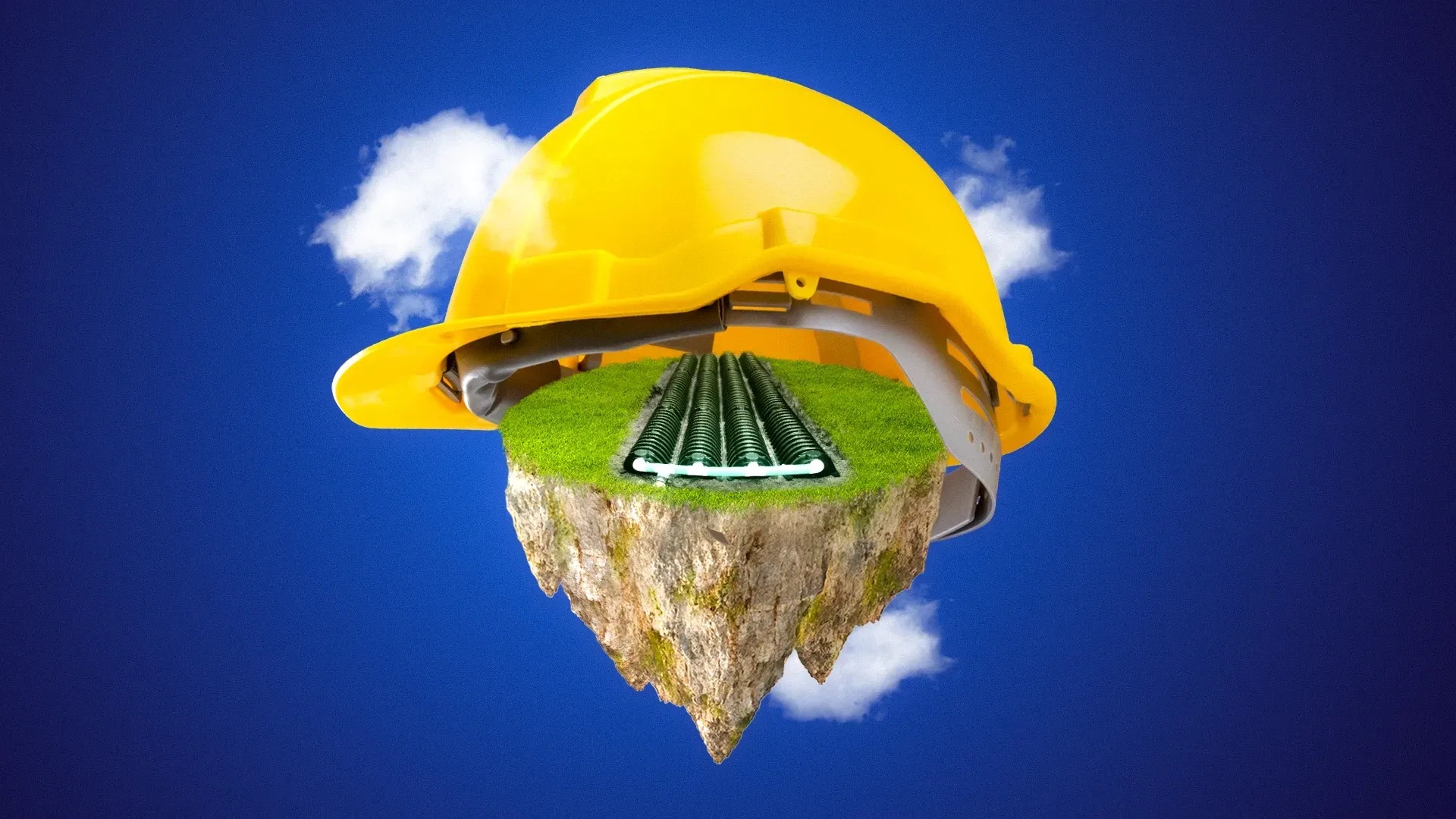
Planning a construction project—such as building a deck, installing a pool, or adding an outdoor kitchen—requires careful preparation. One critical consideration that is often overlooked is protecting the septic drainfield. The drainfield is a key component of a septic system, and construction activity can easily damage it if proper precautions are not taken.
With thoughtful planning and clear communication, it is possible to complete construction projects without compromising septic system performance.
Why Drainfields Are Vulnerable During Construction
A septic drainfield consists of underground pipes and surrounding soil designed to absorb and filter wastewater. It is engineered to handle moisture—not heavy loads, excavation, or soil disturbance.
Construction activities can cause:
-
Soil compaction that restricts wastewater absorption
-
Crushed or punctured drainfield pipes
-
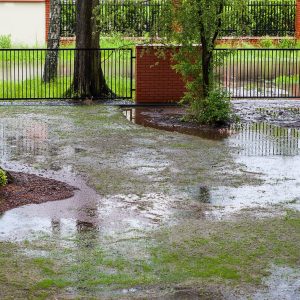
Altered drainage patterns that oversaturate the soil
-
Long-term system failure requiring costly repairs or replacement
Because damage is often underground, problems may not become visible until after construction is complete.
Locate and Clearly Mark the Drainfield
Before any construction begins, the exact location of the drainfield must be identified.
-
Review septic system plans or property records
-
Consult a professional if the drainfield location is uncertain
-
Clearly mark the area using stakes, flags, or temporary fencing
Establishing visible boundaries helps prevent accidental access by workers or equipment.
Keep Heavy Equipment and Materials Away
Heavy machinery poses one of the greatest risks to a drainfield.
-
Avoid driving or parking vehicles over the drainfield
-
Prevent storage of construction materials on the drainfield surface
-
Designate equipment paths and material staging areas well away from septic components
If crossing near the drainfield is unavoidable, protective mats or weight-distribution panels may help reduce soil compaction, though complete avoidance is always preferred.
Use Caution When Digging
Excavation near a drainfield can damage pipes and disrupt soil structure.
-
Call utility marking services before digging begins
-
Confirm drainfield boundaries with contractors
-
Prohibit trenching, post installation, or foundation work near the drainfield
For projects involving deep excavation or underground utilities, consulting a septic professional can help avoid unintended damage.
Manage Water Drainage Carefully
Construction can unintentionally redirect water toward the drainfield.
-
Ensure grading directs runoff away from the drainfield
-
Position gutters and downspouts to discharge water elsewhere
-
Avoid creating low spots where water can pool
Excess moisture reduces soil filtration capacity and can lead to system overload.
Communicate With Everyone Involved
Clear communication is essential.
-
Inform contractors and subcontractors of the drainfield location
-
Explain restrictions regarding equipment, materials, and excavation
-
Monitor activity during construction and address concerns promptly
Proactive communication can prevent costly mistakes.
Inspect the Drainfield After Construction
Once construction is complete, inspect the area for signs of damage or system stress.
Look for:
-
Persistent soggy or wet areas
-
Slow drains inside the home
-
Unusual odors near the drainfield
Early detection allows problems to be addressed before they escalate.
Why Drainfield Protection Matters
Protecting a drainfield during construction helps:
-
Avoid expensive repairs or full system replacement
-
Maintain proper wastewater treatment
-
Preserve soil structure and system longevity
-
Ensure the septic system continues operating efficiently
Preventive care during construction is far more effective than repairing damage afterward.
Construction projects and septic drainfields can coexist safely with proper planning, awareness, and communication. By locating and protecting the drainfield, managing equipment and water flow, and inspecting the system afterward, homeowners can complete improvements without compromising their septic system.
Careful attention during construction protects both the investment in the property and the long-term reliability of the septic system.