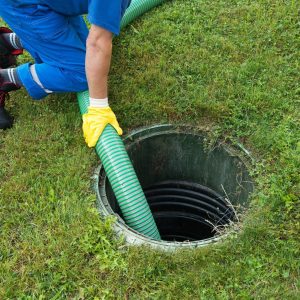

Septic tank pumping may not be a frequent household task, but it plays a critical role in maintaining the overall health of a septic system. Regular pumping helps protect the drainfield from clogs, backups, and premature failure. When neglected, routine maintenance issues can escalate into costly and disruptive system damage.
Understanding how septic tank pumping supports drainfield performance can help homeowners prevent avoidable repairs and extend the life of their system.
What Happens When Septic Tank Pumping Is Skipped?
Over time, solid waste accumulates inside the septic tank. Without regular removal, these materials can interfere with normal system function in several ways:
-
Overflowing solids: Sludge and scum can migrate out of the tank and into the drainfield, which is not designed to process solid waste.
-
Clogged pipes and soil: Solids entering the drainfield can block distribution pipes and soil pores, reducing wastewater absorption.
-
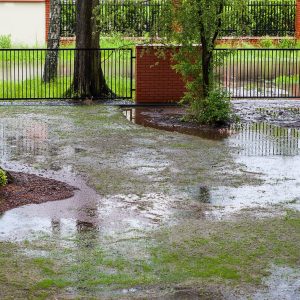
System backups: Wastewater may back up into plumbing fixtures or surface in the yard.
-
Drainfield failure: Persistent clogging and oversaturation can lead to irreversible drainfield damage, requiring major repairs or replacement.
Skipping pumping may appear convenient in the short term, but it significantly increases long-term risk.
How Septic Tank Pumping Protects the Drainfield
Regular pumping supports proper system balance and prevents damage by:
-
Preventing solids from entering the drainfield: Removing accumulated sludge and scum keeps wastewater flowing as intended.
-
Maintaining biological balance: Adequate tank capacity allows beneficial bacteria to function effectively.
-
Reducing hydraulic stress: A properly maintained tank prevents excess wastewater from overwhelming the drainfield.
The septic tank and drainfield function as a connected system. Maintaining one directly supports the health of the other.
How Often Should a Septic Tank Be Pumped?
Pumping frequency varies depending on several factors:
-
Household size: More occupants generate more wastewater and solids.
-
Tank size: Larger tanks can store more waste before requiring service.
-
Water usage habits: High water consumption fills the tank more quickly.
-
Garbage disposal use: Disposals add solids that increase pumping frequency.
For most residential systems, pumping every 3 to 5 years is recommended, though some systems may require more frequent service.
Signs a Septic Tank May Need Pumping
Certain warning signs indicate that a tank may be nearing capacity:
-
Slow-draining sinks, tubs, or toilets
-
Sewage odors indoors or outdoors
-
Standing water near the drainfield
-
Unusually lush or fast-growing vegetation over the drainfield
Addressing these signs early can help prevent system damage.
Maintaining Septic System Health Between Pumpings
In addition to regular pumping, ongoing care helps extend system life:
-
Conserve water: Spread out high-water activities and repair leaks promptly.
-
Dispose of waste properly: Flush only toilet paper and human waste.
-
Use septic-safe products: Avoid harsh chemicals that disrupt bacterial activity.
-
Protect the drainfield: Keep vehicles and heavy equipment off the area.
-
Schedule routine inspections: Periodic evaluations help identify issues early.
Consistent care reduces strain on both the tank and drainfield.
Preventive Maintenance vs. Repair Costs
-
Routine pumping: Typically a modest, predictable expense that supports system longevity.
-
Drainfield repairs or replacement: Often significantly more expensive and disruptive.
Preventive maintenance is far more cost-effective than reactive repairs.
Septic tank pumping is a foundational maintenance task that directly protects drainfield performance. By removing accumulated solids before they can escape the tank, pumping helps prevent clogs, backups, and long-term system failure. Combined with mindful water use and routine inspections, regular pumping supports a reliable and efficient septic system for years to come.