
A septic system is an essential part of many homes, and the drainfield plays a central role in its operation. The drainfield is responsible for filtering and dispersing wastewater that flows from the septic tank, allowing it to safely percolate into the soil. Regular drainfield maintenance is critical for ensuring the system operates efficiently and for avoiding costly, disruptive failures.
This article explains what drainfield maintenance involves, why it matters, and the best practices homeowners can follow to keep their system functioning properly for years.
What Happens During Drainfield Maintenance?
Effective drainfield maintenance begins with understanding how the system functions. The drainfield distributes effluent—partially treated wastewater—into the soil, where it is filtered and broken down by natural biological processes. Over time, however, the soil and drainfield components can become clogged or damaged if maintenance is neglected. This can result in poor drainage, surface pooling, or system failure.
Routine maintenance generally includes the following:
1. Septic Tank Pumping
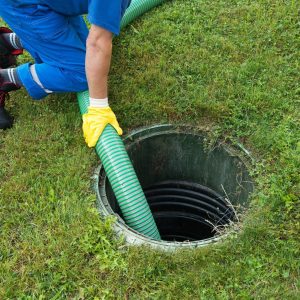
Regular pumping removes accumulated solids from the septic tank. If solids are allowed to build up, they can overflow into the drainfield, clogging pipes and soil. Most septic tanks should be pumped every three to five years, depending on household size and water usage.
2. System Inspections
Inspections assess the condition of the entire septic system. This includes checking for drainfield damage, uneven effluent distribution, soil saturation, or reduced absorption capacity.
3. Pipe Cleaning or Flushing
Over time, grease, debris, and organic material can collect inside perforated drainfield pipes. Periodic cleaning helps maintain proper flow and prevents blockages that can impair system performance.
4. Monitoring Water Usage
Excessive water entering the system can overwhelm the drainfield. Water conservation practices—such as fixing leaks, using efficient fixtures, and spacing out laundry loads—help reduce strain on the system.
Why Regular Maintenance Matters
Neglecting drainfield maintenance can result in serious consequences. Regular care provides several important benefits:
1. Prevents System Failure
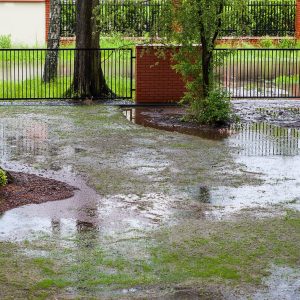
When maintenance is ignored, solids may clog soil pores and pipes, preventing wastewater from being absorbed. This can cause untreated wastewater to surface in the yard or back up into household plumbing.
2. Extends Drainfield Lifespan
With proper care, a drainfield can last 20 to 30 years or longer. Routine pumping, inspections, and early repairs help address minor issues before they lead to irreversible damage or system replacement.
3. Protects the Environment
The drainfield serves as a natural filtration system that prevents contaminants from reaching groundwater. A failing drainfield can allow untreated wastewater to contaminate wells, streams, and other water sources, posing risks to ecosystems and public health.
4. Reduces Health Risks
Untreated wastewater contains bacteria, viruses, and parasites. When a drainfield fails, wastewater may pool on the surface, increasing the risk of exposure to people and animals. Proper maintenance helps keep wastewater safely underground.
5. Saves Money Over Time
Preventive maintenance is far less expensive than repairing or replacing a failed drainfield. Routine pumping and inspections can prevent major failures that often cost thousands of dollars to correct.
Best Practices for Drainfield Maintenance
Maintaining a drainfield does not require complex effort, but it does require consistency. The following practices can help keep the system functioning efficiently:
1. Schedule Regular Inspections
Annual or periodic inspections help identify early signs of trouble such as soil compaction, pipe damage, or uneven drainage.
2. Pump the Septic Tank on Schedule
Most tanks require pumping every three to five years. Delaying pumping increases the risk of solids entering the drainfield and reducing its effectiveness.
3. Practice Water Conservation
Limiting water use reduces stress on the drainfield. Simple changes like repairing leaks, installing efficient appliances, and spreading out water-intensive tasks can make a significant difference.
4. Avoid Deep-Rooted Vegetation
Tree and shrub roots can damage drainfield pipes and compact soil. Grass and shallow-rooted plants are safer landscaping choices.
5. Keep Heavy Loads Off the Drainfield
Vehicles, machinery, and heavy structures can compact soil and damage pipes. Keeping the drainfield clear helps preserve proper drainage.
6. Watch for Warning Signs
Slow drains, foul odors, standing water, or unusually lush grass may indicate drainfield problems. Early intervention can prevent more serious damage.
Regular drainfield maintenance is essential to the health, efficiency, and longevity of a septic system. Through routine inspections, timely septic tank pumping, responsible water use, and proper care of the drainfield area, homeowners can significantly reduce the risk of system failure.
A proactive maintenance approach protects the environment, reduces health risks, and prevents costly repairs. With consistent care, a septic system can continue to function reliably for many years.