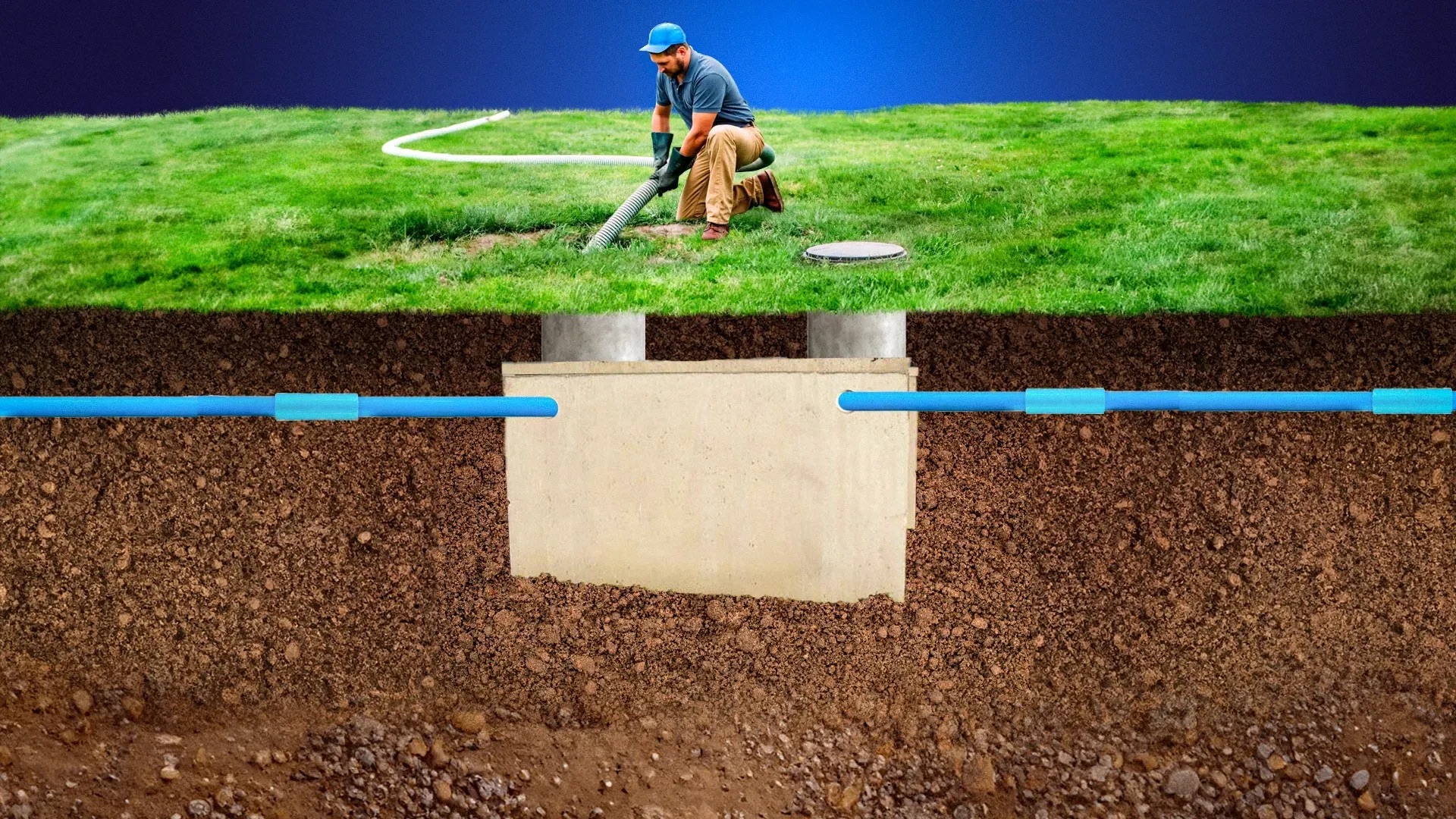
In the pace of everyday life, septic systems are easy to forget—until something goes wrong. However, routine septic tank maintenance plays a critical role in protecting your home, your drainfield, and your budget. One of the most important maintenance tasks is regular septic tank pumping.
This guide explains how septic systems work, why pumping is essential, how often it should be done, and how it helps prevent costly drainfield damage.
Understanding the Basics of a Septic System
A septic system is an on-site wastewater treatment system commonly used in areas without access to municipal sewer lines. It consists of two main components:
-
Septic Tank: Holds wastewater long enough for solids to settle at the bottom (sludge) and oils and grease to float to the top (scum).
-
Drainfield (Leach Field): Receives liquid wastewater (effluent) from the tank and filters it through soil before it re-enters the groundwater.
For the system to function properly, solids must remain in the tank. That’s where regular pumping becomes essential.
The Role of the Septic Tank in Waste Management
The septic tank acts as the system’s first line of defense. It separates solids from liquids and allows bacteria to begin breaking down waste. Over time, sludge and scum accumulate and reduce the tank’s capacity.
Without pumping, solids can overflow into the drainfield, where they cause clogs, soil saturation, and system failure.
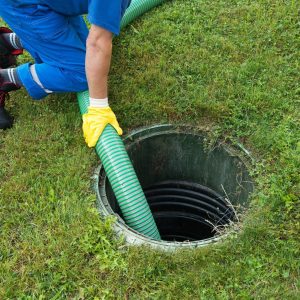
Regular septic tank pumping removes this buildup and allows the system to continue operating as designed.
Why Regular Septic Tank Pumping Matters
Routine septic tank pumping provides several key benefits:
-
Prevents Costly Repairs: Removes solids before they clog pipes or damage the drainfield
-
Protects the Drainfield: Keeps solids out of the soil and distribution pipes
-
Extends System Lifespan: Reduces strain on the entire system
-
Maintains Efficient Operation: Ensures proper separation of waste and liquid
Preventive maintenance is far more affordable than repairing or replacing a failed drainfield.
How Often Should a Septic Tank Be Pumped?
Most septic tanks should be pumped every 3–5 years, but the exact interval depends on:
-
Household size
-
Septic tank capacity
-
Daily water usage
-
Use of garbage disposals
A professional inspection can help determine the appropriate pumping schedule for a specific system.
Signs a Septic Tank May Need Pumping
Homeowners should watch for warning signs that indicate the tank may be full:
-
Slow Drains: Sinks, tubs, or showers draining more slowly than usual
-
Foul Odors: Persistent sewage smells near drains or outdoors
-
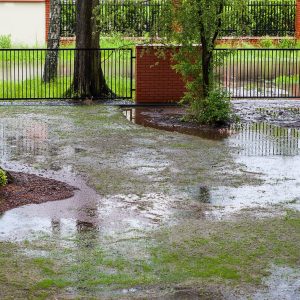
Standing Water: Wet or soggy areas above the drainfield
-
Sewage Backups: Wastewater backing up into plumbing fixtures
-
Unusually Lush Grass: Greener patches over the tank or drainfield
These signs indicate the system may be overloaded and needs immediate attention.
Consequences of Neglecting Septic Maintenance
Failing to pump a septic tank regularly can lead to serious problems:
-
Pipe blockages and interior backups
-
Drainfield clogging and soil saturation
-
Contaminated groundwater
-
Costly repairs or full system replacement
Once a drainfield is damaged, repairs can be extensive and expensive.
How Septic Tank Pumping Protects the Drainfield
The drainfield is designed to handle liquid wastewater only. When solids escape the septic tank, they clog soil pores and distribution pipes, preventing proper filtration.
Regular pumping ensures:
-
Only liquid effluent reaches the drainfield
-
Soil remains permeable and functional
-
The drainfield operates efficiently for decades
This single maintenance task is one of the most effective ways to prevent drainfield failure.
The Importance of Professional Septic Services
Septic systems require specialized knowledge, equipment, and regulatory compliance. Professional septic technicians can:
-
Properly pump and inspect tanks
-
Identify early signs of system stress
-
Recommend maintenance schedules
-
Prevent minor issues from becoming major failures
Routine professional care ensures long-term system health and reliability.
Tips for Maintaining a Healthy Septic System
In addition to regular pumping, homeowners can support system health by:
-
Flushing only toilet paper and human waste
-
Avoiding grease, chemicals, and non-biodegradable items
-
Conserving water and fixing leaks promptly
-
Spreading out water-heavy activities like laundry
Small habit changes significantly reduce stress on the system.
Regular septic tank pumping is not optional—it’s essential for protecting the drainfield, preventing costly repairs, and extending the life of the septic system. By following a consistent maintenance schedule and working with qualified professionals, homeowners can ensure their wastewater systems remain efficient, safe, and environmentally responsible.
Proactive septic care today helps avoid major problems tomorrow.