Routine septic system maintenance is essential for protecting household plumbing, preventing costly repairs, and maintaining safe wastewater treatment. One of the most important maintenance tasks is septic tank pumping. Ignoring this step can result in system backups, unpleasant odors, and long-term damage to the drainfield.
How often a septic tank needs to be pumped depends on several factors, including household size, water usage, and tank capacity.
Understanding How a Septic Tank Works
A septic tank is an underground structure designed to collect and partially treat household wastewater. Inside the tank, solids settle at the bottom as sludge, while lighter materials such as oils and grease rise to the surface as scum. The liquid layer between them, called effluent, flows out to the drainfield for further treatment in the soil.
Over time, sludge and scum accumulate and reduce the tank’s capacity. Pumping removes these materials and helps prevent blockages, backups, and system failure.
Consequences of Skipping Septic Tank Pumping
Failing to pump a septic tank regularly can lead to several serious issues, including:
- Wastewater backing up into plumbing fixtures
- Persistent odors inside or outside the home
- Drainfield saturation or failure
- Increased risk of groundwater contamination
- Higher repair or replacement costs
Routine pumping extends the lifespan of both the septic tank and drainfield while maintaining system efficiency.
Recommended Septic Tank Pumping Intervals
Most septic tanks require pumping every three to five years, but the ideal schedule varies based on the following factors:
1. Household Size
More occupants produce more wastewater, which fills the tank faster.
- 1–2 people: Every 4–5 years
- 3–4 people: Every 3–4 years
- 5 or more people: Every 2–3 years
2. Septic Tank Size
Larger tanks can store more solids before reaching capacity.
- 1,000-gallon tanks are common for smaller households
- 1,500-gallon tanks are often used for larger homes or higher water usage
3. Water Usage Patterns
High water usage increases the rate at which solids move through the system.
Helpful practices include:
- Installing water-efficient fixtures
- Running appliances with full loads
- Repairing leaks promptly
4. Waste Disposal Habits
Flushing non-biodegradable items or disposing of grease and oils into the system accelerates sludge buildup and may require more frequent pumping.
Warning Signs a Septic Tank May Need Pumping
Even with a regular maintenance schedule, certain symptoms may indicate that a septic tank is full or approaching capacity:
- Slow drainage throughout the home
- Gurgling sounds in plumbing
- Sewage odors indoors or outdoors
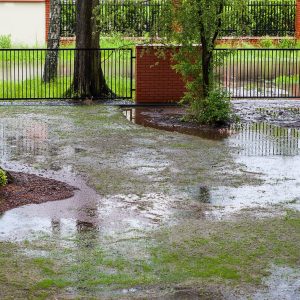
- Pooling water near the drainfield
- Unusually green or fast-growing vegetation over system components
These signs warrant immediate professional evaluation.
Importance of Professional Septic Tank Pumping
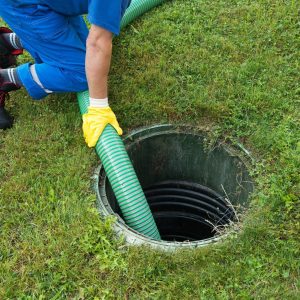
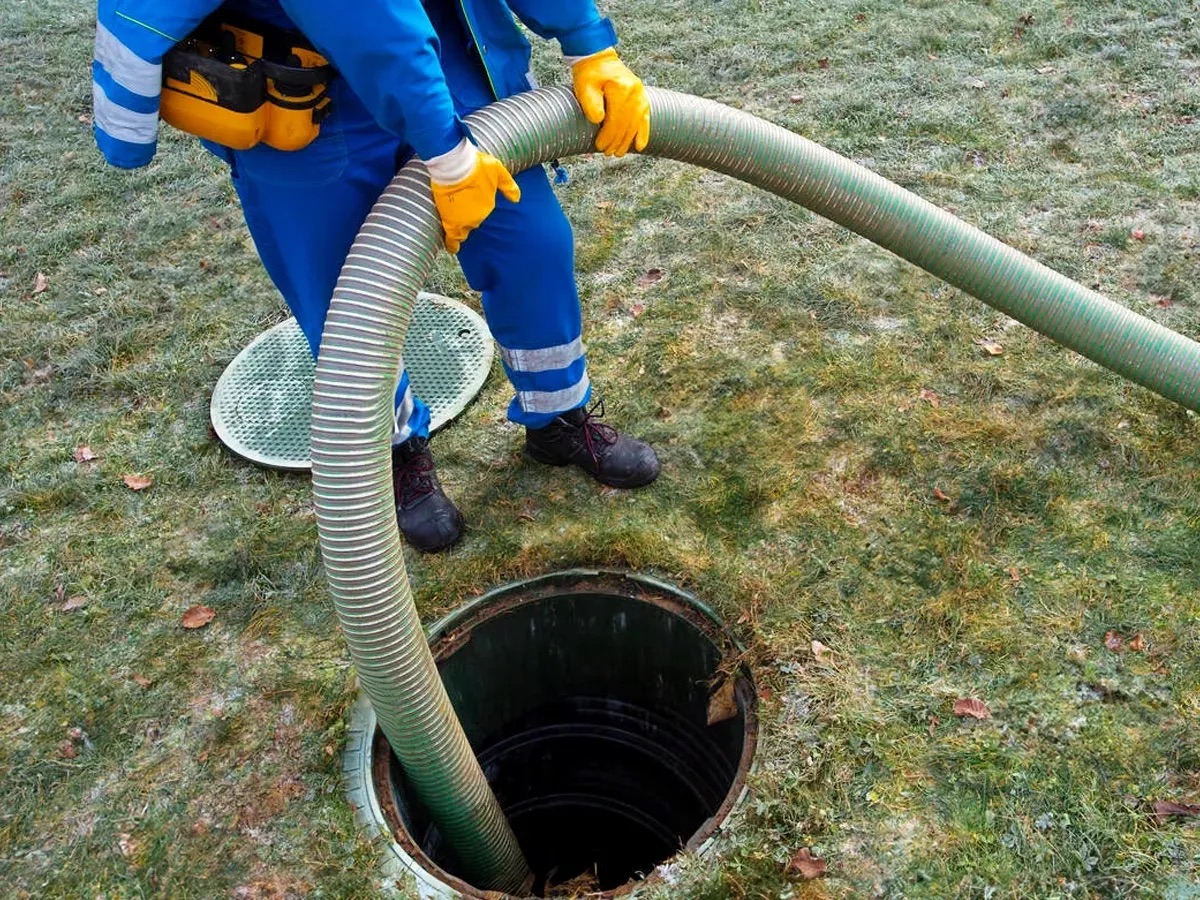
Septic tank pumping requires specialized equipment and training to be performed safely and effectively. Professional service providers can remove accumulated waste, inspect system components, and identify early signs of damage or malfunction.
Attempting septic tank pumping without proper tools or expertise poses health risks and may cause system damage.
Extending the Time Between Pumping Services
Homeowners can support septic system performance by:
- Disposing of waste responsibly
- Limiting excessive water use
- Scheduling routine inspections
- Avoiding harsh chemicals and additives
While bacterial additives are sometimes marketed to reduce pumping frequency, regular pumping remains necessary for long-term system health.
Septic tank pumping is a critical maintenance task that protects plumbing systems, prevents environmental contamination, and reduces long-term costs. Most systems require pumping every three to five years, though household size, tank capacity, and water usage all influence the appropriate schedule. Monitoring warning signs and maintaining routine service helps ensure reliable wastewater treatment and system longevity.