A well-maintained septic system plays a critical role in keeping a household functioning smoothly. While it operates out of sight, problems can develop when the septic tank reaches capacity. Recognizing early warning signs can help prevent property damage, health hazards, and costly repairs.
This guide outlines common indicators that a septic tank may be full and explains why timely maintenance is important.
Why Septic Tank Maintenance Matters
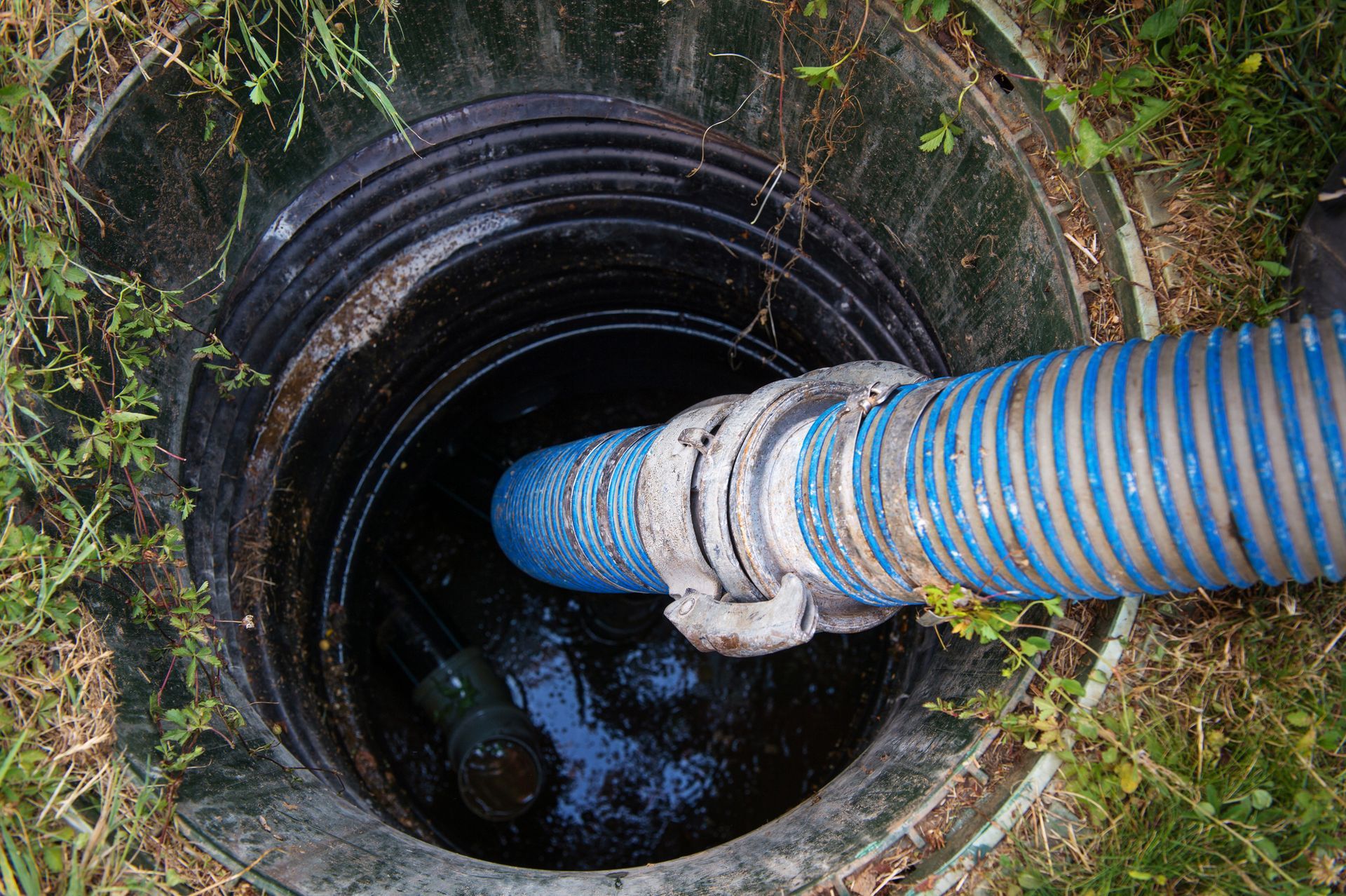
A septic tank separates solids from wastewater, allowing solids to settle and form sludge at the bottom while liquids move on for further treatment. Over time, sludge accumulates and reduces the tank’s ability to function properly. When a tank becomes full, wastewater flow is restricted, increasing the risk of backups, leaks, and system failure.
Routine pumping and inspections help maintain proper system performance and extend the life of the septic system.
Common Signs of a Full Septic Tank
1. Persistent Odors
Strong, unpleasant odors near drains, bathrooms, or outdoor areas around the septic system can indicate that gases are escaping from an overfilled tank. These odors may become more noticeable as the tank reaches capacity.
2. Slow Drains
Sinks, showers, and toilets that drain slowly can signal restricted wastewater flow. When a septic tank is full, liquids may struggle to exit the tank, causing drainage issues throughout the home.
3. Pooling Water Outdoors
Standing water or soggy soil near the drainfield can occur when wastewater is no longer being absorbed properly. This condition may indicate an overloaded system and should be addressed promptly.
4. Unusually Lush Vegetation
Areas of grass that appear greener or grow faster than surrounding areas may be receiving excess nutrients from leaking wastewater. While subtle, this can be an early sign of septic system issues.
5. Gurgling Sounds in Plumbing
Unusual gurgling noises when using sinks, toilets, or showers can result from trapped air caused by limited wastewater flow. These sounds may indicate that the septic tank is nearing or at capacity.
6. Sewage Backups
Wastewater backing up into sinks, tubs, or toilets is a serious sign of septic system failure. This situation requires immediate professional attention to prevent health risks and property damage.
Preventing Septic Tank Problems
Routine maintenance is the most effective way to avoid septic system issues. General recommendations include:
-
Pumping the septic tank at regular intervals based on system size and household usage
-
Monitoring water usage to prevent system overload
-
Avoiding disposal of grease, wipes, and non-biodegradable materials
-
Scheduling periodic inspections to identify potential problems early
Importance of Professional Service
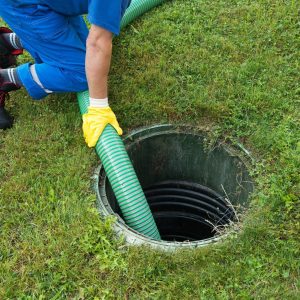
Septic tank pumping and inspections require specialized equipment and training. Professional service providers can safely remove accumulated waste, evaluate system components, and identify early signs of damage or failure. Attempting to manage septic tank maintenance without proper tools or expertise can increase risks and lead to costly mistakes.
A full septic tank can cause a range of issues, from slow drains and unpleasant odors to sewage backups and environmental contamination. Recognizing warning signs early and following a routine maintenance schedule helps protect the septic system and prevent disruptions. Proper care ensures reliable wastewater treatment and long-term system performance.