
Few household issues are as frustrating as water that refuses to drain. Slow-moving sinks, showers, or toilets may start as a small inconvenience, but they are often an early warning sign of a larger septic system issue. Understanding why drains slow down and how to respond can help prevent costly damage and system failure.
Why Drains Run Slowly in Septic Systems
Slow drains are typically a symptom rather than the root problem. Common causes include:
-
Pipe clogs: Grease, hair, soap residue, and food particles can accumulate over time and restrict flow
-
A full septic tank: When solids build up beyond capacity, wastewater cannot exit the tank efficiently
-
Drainfield problems: Saturated or clogged drainfields slow the entire system
-
Blocked plumbing vents: Vent pipes regulate air pressure; blockages can slow drainage and cause gurgling
-
Damaged or deteriorating pipes: Cracks, collapses, or misaligned pipes restrict flow
Identifying the correct cause is essential before attempting a solution.
Clearing Minor Drain Clogs
Some slow drains originate within the household plumbing and can be resolved with basic steps.
Kitchen Sinks
Grease and food buildup are common contributors. Hot water combined with dish soap may help break down light grease accumulation. For persistent clogs, a plunger or manual drain snake may be effective.
Bathroom Sinks and Showers
Hair is the most common issue. Drain covers help prevent buildup, while a small drain snake or hooked wire can remove existing obstructions.
Toilets
A standard plunger is the safest tool for minor toilet clogs. Chemical drain cleaners should be avoided, as they can damage plumbing and disrupt septic system bacteria.
When the Issue Is More Than a Household Clog
If multiple drains are slow throughout the home, the issue likely extends beyond individual pipes.
Septic Tank-Related Causes
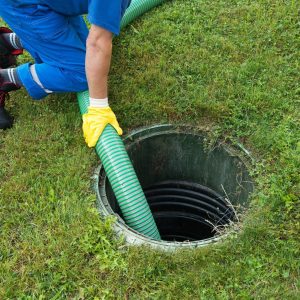
A septic tank that has not been pumped on schedule may become overloaded with solids. When this happens, wastewater movement slows or reverses.
Common Indicators of a Full Tank
-
Slow drains throughout the home
-
Gurgling sounds in plumbing
-
Sewage odors near the tank or drainfield
Most septic tanks require pumping every 3–5 years, depending on household size and usage.
Drainfield-Related Causes
If the tank is functioning properly but slow drainage continues, the drainfield may be the source of the problem.
Signs of Drainfield Issues
-
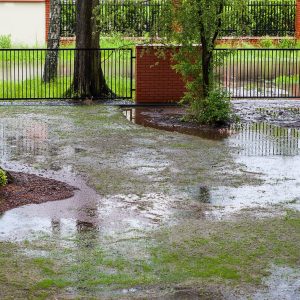
Standing water or soggy soil above the drainfield
-
Unusually lush vegetation in the drainfield area
-
Soft or spongy ground underfoot
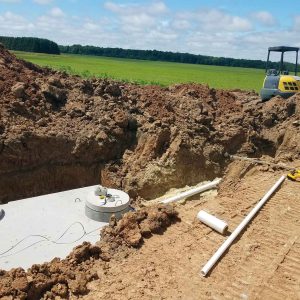
Drainfield issues often require professional evaluation to determine whether aeration, repair, or replacement is needed.
Blocked Plumbing Vents
Plumbing vents allow air to enter the system, ensuring wastewater flows freely. When vents are blocked by debris, ice, or nesting animals, air pressure becomes unbalanced.
Symptoms of Vent Blockage
-
Gurgling sounds during water use
-
Slow drainage despite clear pipes
Vent inspections and clearing should be handled carefully to avoid roof or plumbing damage.
Preventing Slow Drains in Septic Systems
Ongoing prevention is key to maintaining proper drainage and system longevity.
Smart Disposal Practices
-
Flush only human waste and toilet paper
-
Avoid wipes, hygiene products, grease, oils, and chemicals
Kitchen Drain Care
-
Do not pour grease or coffee grounds down the sink
-
Use sink strainers to catch debris
Routine Maintenance
-
Schedule septic tank pumping at recommended intervals
-
Have the system inspected periodically
Water Management
-
Space out laundry and high-water-use activities
-
Repair leaks promptly to avoid overloading the system
When Professional Evaluation Is Necessary
Slow drains that persist after basic troubleshooting usually indicate a system-level issue. Professional inspection may be needed to assess:
-
Septic tank capacity and sludge levels
-
Drainfield absorption and soil conditions
-
Distribution box performance
-
Venting and pipe integrity
Early intervention helps prevent system backups, drainfield failure, and costly repairs.
Slow drains in homes with septic systems should never be ignored. While some issues are minor and localized, others signal problems within the septic tank or drainfield. Understanding warning signs, practicing proper maintenance, and responding promptly can keep the system functioning efficiently and extend its lifespan.