
Recent tragic incidents have highlighted a critical but often overlooked issue: septic system safety. In multiple cases, young children fell into improperly maintained septic tanks, resulting in loss of life. These accidents were preventable and underscore the importance of proper septic system installation, maintenance, and inspection.
Septic systems are not just infrastructure—they are potential hazards if safety standards are ignored. Understanding these risks and taking proactive steps can help prevent future tragedies.
Why Septic System Safety Matters
Septic systems are complex underground structures designed to safely treat and disperse wastewater from homes and businesses. When installed and maintained correctly, they operate efficiently and pose no danger. However, when shortcuts are taken—whether during installation, repair, or routine maintenance—the consequences can be severe.
Safety failures can lead to:
-
Serious injury or loss of life
-
Environmental contamination
-
Structural collapse of tanks or access points
-
Health risks from untreated wastewater
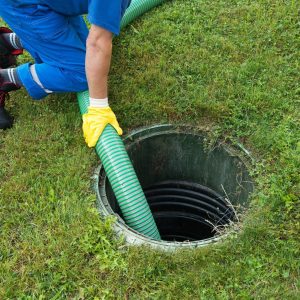
In the documented incidents, unsecured or deteriorated septic tank covers allowed access to the tank, violating basic safety standards. Septic tanks are never designed to be accessible without professional supervision, and access points must always be secured.
What Causes Septic System Safety Failures?
Septic system hazards often develop gradually and go unnoticed until an accident occurs. Common contributing factors include:
-
Deteriorated or damaged tank lids
-
Improperly installed covers
-
Ground settling that displaces lids
-
Buried access points that are not regularly inspected
-
Lack of safety locks or secure fasteners
Because septic systems are largely underground, homeowners may not realize that a cover has shifted, cracked, or weakened over time. This creates an invisible but serious risk—especially in areas where children or pets are present.
The Role of Septic Tank Risers in Improving Safety
One of the most effective safety upgrades for a septic system is the installation of septic tank risers. Risers extend the access point of a septic tank to ground level and are designed with secure, durable lids.
Benefits of Septic Tank Risers
1. Easier and Safer Maintenance
Risers allow inspectors and service professionals to access the system without excavation, making it more likely that inspections and maintenance occur regularly.
2. Secure, Lockable Covers
Modern riser lids are heavy-duty and designed to remain firmly in place. Many include locking mechanisms or bolted fasteners to prevent unauthorized access.
3. Improved Visibility
Buried septic lids are easy to forget. Risers remain visible at ground level, serving as a constant reminder to monitor lid condition and integrity.
By improving accessibility and security, risers significantly reduce the risk of accidental entry into septic tanks.
Choosing Qualified Septic Professionals Matters
Septic systems must be installed, maintained, and repaired by trained professionals who follow safety standards and regulatory requirements. Poor workmanship or overlooked details—especially regarding access points and covers—can create dangerous conditions.
Qualified professionals:
-
Ensure covers are properly fitted and secured
-
Inspect lids, risers, and access points for deterioration
-
Follow installation standards and safety codes
-
Identify hazards before they become emergencies
Cutting corners in septic work is never just a financial risk—it is a safety risk.
Septic Safety Tips for Property Owners
Homeowners and property managers play an important role in septic system safety. Key practices include:
-
Schedule Regular Inspections
Have the system inspected periodically to ensure all components remain structurally sound. -
Check and Secure Tank Covers
Confirm that all septic tank lids are intact, properly seated, and securely fastened. -
Address Damage Immediately
Cracked, loose, or aging covers should be replaced without delay. -
Limit Access to Septic Areas
Keep children and pets away from septic components and clearly mark system locations if necessary. -
Educate Household Members
Ensure everyone understands that septic systems are not safe play areas and should never be opened.
Why Doing It Right Is Non-Negotiable
Septic systems are essential infrastructure, but they carry serious risks if safety standards are ignored. The tragedies that have occurred serve as powerful reminders that proper installation, secure access points, and routine maintenance are not optional—they are lifesaving measures.
Proactive safety practices protect families, communities, and the environment. When septic systems are installed and maintained correctly, they remain reliable, efficient, and safe for decades.