Installing a septic system is a major investment for any property owner. Whether you are building a new home or replacing an existing system, selecting the correct septic tank is essential for efficient wastewater treatment and long-term system performance.
Choosing the wrong tank size or type can lead to system overloads, environmental issues, and costly repairs. This guide explains how septic tank sizing works, the most common tank types, and the factors that should be considered before installation.
Why Choosing the Right Septic Tank Matters
Septic tanks are designed to treat and manage wastewater for properties not connected to municipal sewer systems. The tank must be properly sized and suited to site conditions in order to function effectively.
A tank that is too small may fill too quickly, increasing the risk of backups and drainfield failure. A tank that is excessively large may not cycle wastewater efficiently, reducing treatment effectiveness and increasing installation costs.
Proper selection helps:
-
Prevent premature system failure
-
Protect groundwater and surrounding soil
-
Reduce long-term maintenance and repair costs
Factors That Determine Septic Tank Size
1. Household Size
The number of occupants is one of the most important factors in septic tank sizing. More occupants generate more wastewater, which requires greater tank capacity.
General sizing guidelines include:
-
1–3 occupants: 750–1,000 gallons
-
4–6 occupants: 1,000–1,500 gallons
-
7 or more occupants: 1,500 gallons or larger
Actual requirements may vary based on usage patterns and local regulations.
2. Water Usage Habits
Homes with high water usage—such as frequent laundry, long showers, or multiple bathrooms—may require larger tanks. Properties that use water-efficient fixtures and appliances may be able to function effectively with smaller capacities.
3. Future Expansion
Planned additions such as extra bedrooms, bathrooms, or accessory living spaces can significantly increase wastewater output. Selecting a larger tank during initial installation may prevent costly upgrades later.
4. Local Regulations
Minimum septic tank sizes are often regulated by local or state health departments. These requirements may vary based on soil conditions, environmental sensitivity, and system design. Always verify regulatory standards before finalizing tank size.
Common Types of Septic Tanks
In addition to size, the material and construction of a septic tank play an important role in durability and performance.
1. Concrete Septic Tanks
Advantages
-
Long-lasting and structurally strong
-
Suitable for many soil conditions
-
Less prone to movement in high groundwater areas
Considerations
-
Heavy and requires specialized installation equipment
-
Higher upfront cost compared to lightweight options
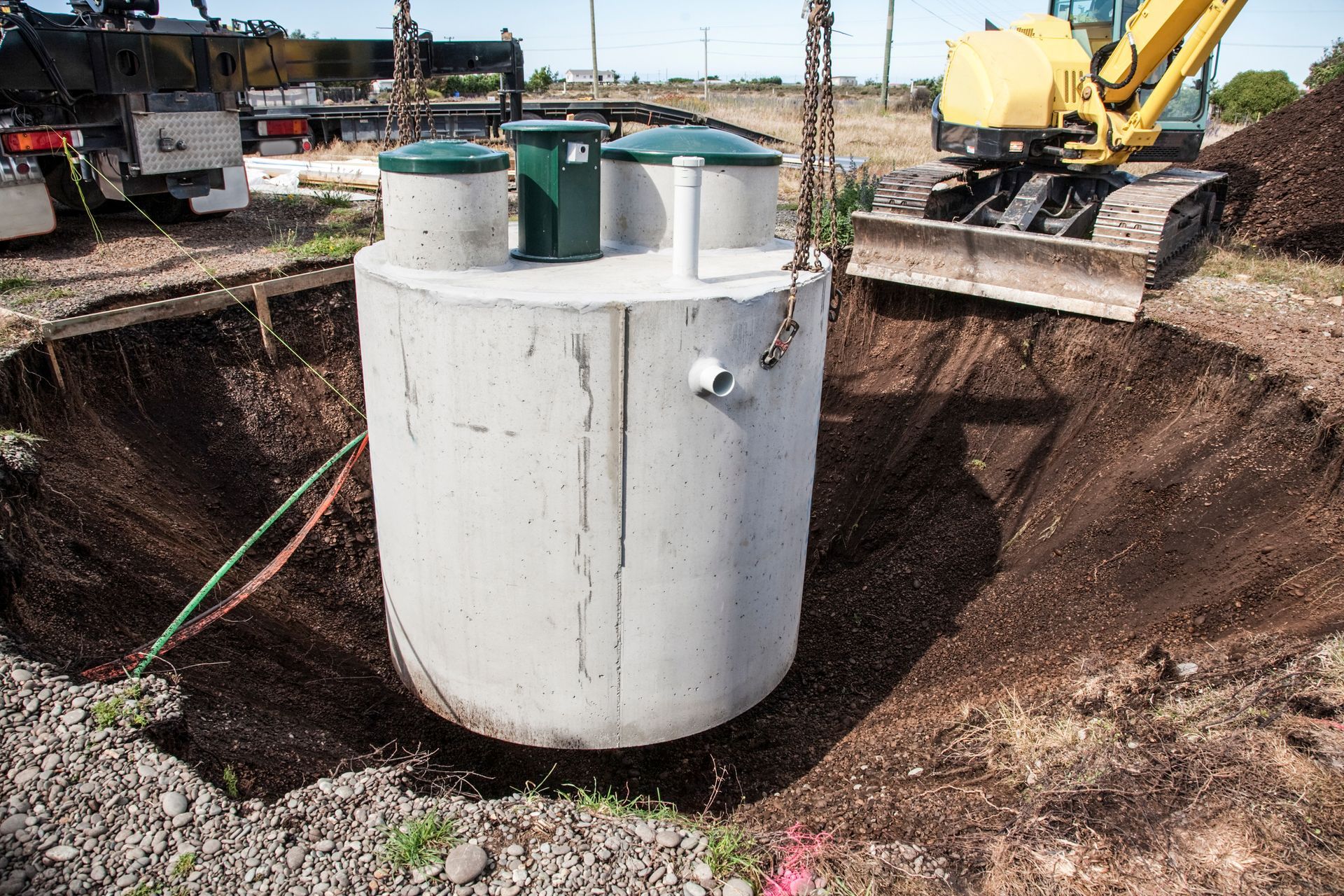
Concrete tanks are widely used due to their durability and resistance to external pressure.
2. Fiberglass Septic Tanks
Advantages
-
Lightweight and corrosion-resistant
-
Less prone to cracking
Considerations
-
Must be properly anchored in high groundwater conditions
-
May not withstand heavy surface loads
Fiberglass tanks are often selected where corrosion resistance is a priority.
3. Plastic (Polyethylene) Septic Tanks
Advantages
-
Lightweight and easy to transport
-
Lower installation costs
-
Resistant to rust and corrosion
Considerations
-
Less durable than concrete
-
Requires careful installation to avoid damage during backfilling
Plastic tanks are commonly used for smaller systems or locations with limited access.
4. Steel Septic Tanks
Advantages
-
Strong when newly installed
Considerations
-
Prone to rust and deterioration
-
Limited lifespan compared to modern alternatives
Steel tanks are generally discouraged for new installations due to corrosion concerns.
Additional Considerations for Septic System Performance
Regular Maintenance
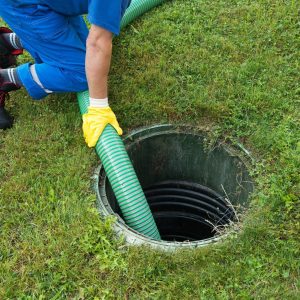
Regardless of tank type, routine pumping and inspections are critical. Regular maintenance prevents solids from migrating into the drainfield and extends system lifespan.
Soil Conditions and Drainage
Soil composition affects how well wastewater is absorbed and treated. Poorly draining soils may require alternative system designs or engineered drainfields.
Advanced Treatment Options
Some systems incorporate additional treatment technologies, such as filtration or aerobic processes, to improve wastewater quality. These options are often required in environmentally sensitive areas.
When Professional Installation Is Necessary
Septic system design and installation should always be handled by qualified professionals. Proper installation ensures:
-
Compliance with local health and environmental regulations
-
Accurate system sizing and placement
-
Reduced risk of premature failure
Professional installers also provide guidance on long-term care and maintenance planning.
Choosing the right septic tank involves balancing size, material, site conditions, and long-term needs. Household size, water usage, soil quality, and regulatory requirements all play a role in selecting a system that will function reliably for decades.
With proper planning and professional installation, a well-designed septic system can provide efficient wastewater management while minimizing maintenance and environmental impact.