A drainfield plays a critical role in a septic system by filtering wastewater and allowing it to safely return to the soil. Because it operates underground and out of sight, it is often overlooked until problems arise. Establishing a regular maintenance schedule helps prevent failures, reduce repair costs, and extend the life of the system.
With consistent planning and routine care, a drainfield can function reliably for decades.
Why a Drainfield Maintenance Schedule Is Important
A drainfield requires ongoing attention to remain effective. Regular maintenance helps:
-
Identify minor issues before they become major problems
-
Reduce the risk of backups, odors, and surface pooling
-
Lower long-term repair and replacement costs
-
Extend the overall lifespan of the septic system
Like any major home system, preventative care is far more cost-effective than reactive repairs.
Step 1: Begin with a Baseline Evaluation
Before creating a long-term schedule, it is important to understand the current condition of the septic system.
A professional evaluation can help determine:
-
Whether the system is functioning properly
-
If any immediate repairs or adjustments are needed
-
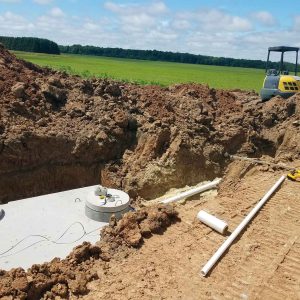
The size and layout of the septic tank and drainfield
-
Soil conditions that may affect drainage
This information provides a foundation for setting appropriate maintenance intervals.
Step 2: Establish a Septic Tank Pumping Schedule
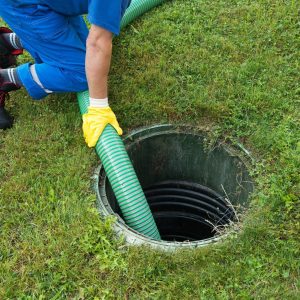
Routine septic tank pumping is one of the most important steps in protecting a drainfield. When a tank becomes too full, solids can enter the drainfield and cause clogs or long-term damage.
-
Most households require pumping every 3–5 years
-
Larger households or higher water usage may require more frequent service
-
Pumping dates should be recorded to maintain consistency
Warning signs that pumping may be needed sooner include slow drains, sewage odors, or damp areas near the drainfield.
Step 3: Manage Household Water Usage
Excessive water entering the system can overwhelm the drainfield and reduce its ability to filter wastewater effectively.
Helpful practices include:
-
Spreading laundry and dishwashing throughout the week
-
Repairing leaks promptly
-
Installing water-efficient fixtures and appliances
Balanced water usage allows the drainfield soil time to absorb and treat wastewater properly.
Step 4: Protect the Drainfield Area
The drainfield must remain unobstructed to function correctly.
Key protection measures include:
-
Keeping vehicles and heavy equipment off the drainfield
-
Avoiding structures, patios, or storage over the area
-
Planting only grass or shallow-rooted vegetation
-
Directing roof runoff and surface water away from the drainfield
Preventing soil compaction and root intrusion is essential for long-term performance.
Step 5: Perform Seasonal Visual Checks
Seasonal changes can affect drainfield conditions. Simple observations throughout the year can help identify potential issues early.
-
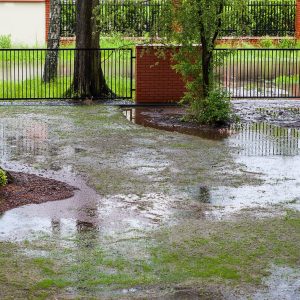
Spring: Check for standing water after snowmelt or heavy rain
-
Summer: Watch for unusually lush or fast-growing vegetation
-
Fall: Remove leaves or debris that may trap moisture
-
Winter: Ensure ground cover remains intact to reduce freezing risk
These quick checks require little time but provide valuable insight into system health.
Step 6: Watch for Warning Signs
Even with regular maintenance, problems can still occur. Early detection is key to minimizing damage.
Common warning signs include:
-
Slow or gurgling drains inside the home
-
Persistent sewage odors indoors or outdoors
-
Wet or spongy soil near the drainfield
If these signs appear, further evaluation is recommended before conditions worsen.
Step 7: Schedule Periodic Professional Inspections
Routine inspections help ensure the system continues to operate as designed.
-
Inspections are often scheduled alongside tank pumping
-
Additional inspections may be useful after periods of heavy system use
-
Professional assessments can identify issues not visible from the surface
Regular inspections help maintain compliance with best practices and local requirements.
A drainfield maintenance schedule does not need to be complicated to be effective. By combining regular pumping, mindful water use, seasonal checks, and professional evaluations, homeowners can significantly reduce the risk of system failure.
Consistent care helps ensure the drainfield continues to treat wastewater safely, protect surrounding soil and groundwater, and function reliably for many years.