Septic System Installation: What Property Owners Should Know
Installing a septic system is an important investment for any property not connected to a municipal sewer system. A properly installed system supports effective wastewater treatment, protects groundwater, and contributes to the long-term functionality of a property. Understanding the septic system installation process and the factors that influence installation costs can help property owners make informed decisions.
Step-by-Step Guide to Septic System Installation
1. Site Evaluation and Permits
A professional site evaluation is required to determine the most appropriate location and design for a septic system. Key factors assessed during this process include soil composition, groundwater levels, property layout, and available space. If soil conditions are not suitable for a conventional system, alternative designs such as aerobic systems or mound systems may be recommended.
Before installation begins, permits must be obtained from the appropriate regulatory authorities. Requirements vary by jurisdiction, and compliance is necessary before construction can proceed.
2. Selecting the Appropriate Septic System
The type of septic system installed depends on site conditions and anticipated wastewater usage. Common system types include:
-
Conventional Septic Systems: Use a septic tank and drainfield to treat and disperse wastewater through natural soil filtration.
-
Aerobic Septic Systems: Introduce oxygen to enhance waste breakdown and are often used where soil absorption is limited.
-
Mound Systems: Feature an elevated drainfield for properties with shallow soils or high groundwater levels.
-
Drip Distribution Systems: Disperse wastewater slowly through a network of small-diameter pipes, often used in challenging terrain.
System selection affects installation complexity, long-term maintenance needs, and overall performance.
3. Excavation and Septic Tank Installation
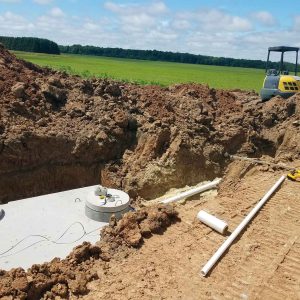
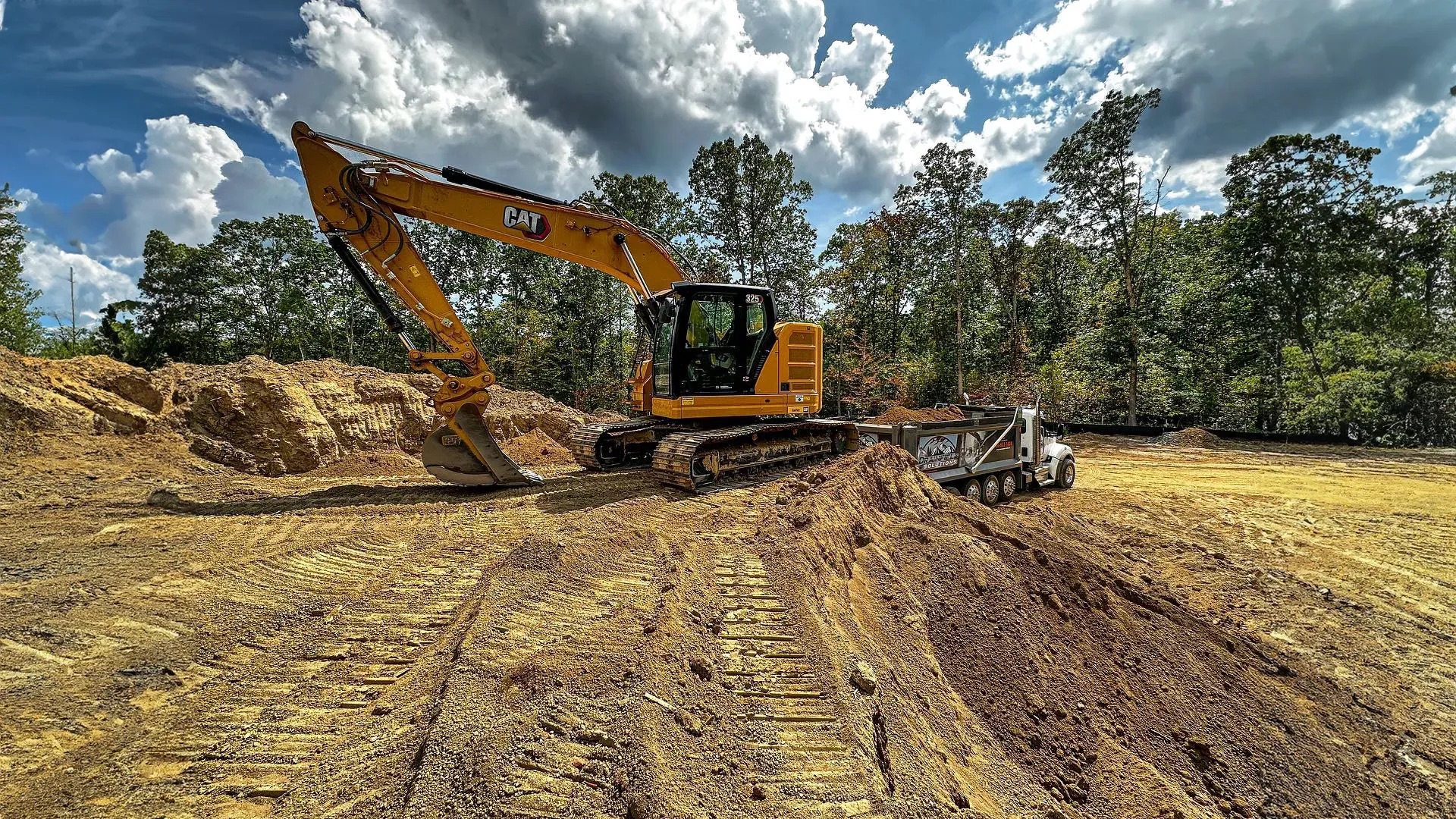
Excavation prepares the site for placement of the septic tank and drainfield components. Septic tanks are typically constructed from concrete, fiberglass, or polyethylene. Concrete tanks are known for durability, while fiberglass and polyethylene tanks are lighter and require proper anchoring to prevent movement.
Correct placement and leveling of the tank are essential to ensure proper wastewater flow.
4. Drainfield Installation
The drainfield is responsible for dispersing treated effluent into the surrounding soil. Proper sizing, placement, and soil conditions are critical for effective filtration and environmental protection. In some cases, system design adjustments may be required to optimize drainage performance.
5. System Connection and Final Testing
Once installation is complete, the septic system is connected to the property’s plumbing. Final inspections and testing verify that the system is operating as designed. Regulatory approval may be required before the system is placed into service.
Septic System Maintenance and Longevity
Routine maintenance is essential to prevent system failure and extend the lifespan of a septic system. Key maintenance practices include:
-
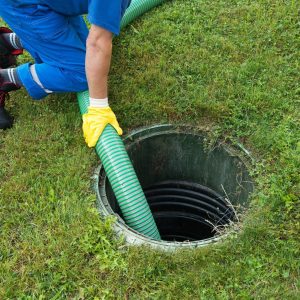
Septic Tank Pumping: Periodic pumping removes accumulated solids and reduces the risk of backups and drainfield damage.
-
Water Conservation: Managing household water usage helps prevent system overload.
-
Responsible Waste Disposal: Avoiding grease, wipes, and harsh chemicals protects system components and beneficial bacteria.
-
Regular Inspections: Scheduled inspections help identify potential issues early and reduce the likelihood of costly repairs.
Septic system installation involves careful planning, proper system selection, and adherence to regulatory requirements. When installed and maintained correctly, a septic system provides reliable wastewater treatment and long-term performance. Ongoing maintenance and inspections are critical to protecting both the system and the surrounding environment.