
Septic drainfield problems can escalate quickly if left unresolved, potentially leading to system failure, health risks, and costly repairs. When issues arise, homeowners are often faced with a critical decision: repair the existing drainfield or replace it entirely.
Both options carry different financial, environmental, and practical implications. Understanding the differences between septic drainfield repair and drainfield replacement can help you make an informed decision and avoid unnecessary expense or disruption.
This guide explains how drainfields work, common warning signs of failure, when repairs are appropriate, and when replacement is the better long-term solution.
What Is a Septic Drainfield and Why It Matters
A septic drainfield, also known as a leach field, is a vital component of a septic system. After wastewater exits the septic tank, it flows into the drainfield, where it is filtered and treated by the surrounding soil. This natural process removes harmful bacteria, pathogens, and nutrients before the water returns to the groundwater system.
When a drainfield is compromised, wastewater may not be properly treated. This can lead to sewage backups, surface pooling, foul odors, and contamination of nearby soil and water sources. Prompt attention to drainfield issues is essential to protect both the property and the surrounding environment.
Signs a Septic Drainfield Needs Attention
Before deciding between repair or replacement, it is important to recognize the warning signs of drainfield failure. Common indicators include:
-
Slow Drains: Sinks, showers, or toilets draining more slowly than normal
-
Sewage Backup: Wastewater backing up into household plumbing
-
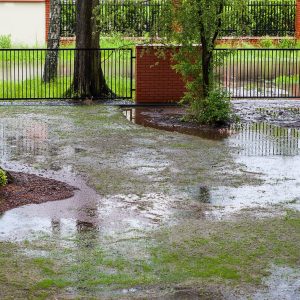
Standing Water: Pooling or soggy areas near the drainfield
-
Foul Odors: Persistent sewage smells around the yard
-
Unusually Lush Grass: Excessively green or fast-growing vegetation over the drainfield
These symptoms suggest the drainfield is no longer functioning efficiently and requires professional evaluation.
When Septic Drainfield Repair May Be Sufficient
Drainfield repair is generally less invasive and more affordable than full replacement. Repairs focus on correcting specific problems without removing the entire system. Repair may be appropriate in the following situations:
1. Minor Clogs or Blockages
Organic material, grease, or debris can restrict wastewater flow. When identified early, cleaning or jetting drainfield lines can restore function.
2. Soil Compaction
Compacted soil can prevent proper wastewater absorption. Soil aeration techniques may improve drainage without requiring system replacement.
3. Localized Pipe Damage
If damage is limited to a small section of piping—often caused by roots or aging materials—spot repairs may resolve the issue.
4. Early-Stage Symptoms
Addressing problems such as slow drainage or minor pooling early can extend the drainfield’s lifespan and delay the need for replacement.
When Drainfield Replacement Is Necessary
In some cases, repair is no longer effective, and replacement becomes the safest and most reliable option. Drainfield replacement may be required under the following conditions:
1. Complete Drainfield Failure
When soil becomes fully saturated and can no longer absorb wastewater, the system loses functionality and replacement is often unavoidable.
2. System Age
Most drainfields have an expected lifespan of approximately 20–25 years. Older systems showing recurring issues may no longer be cost-effective to repair.
3. Severe Root Intrusion
Extensive root damage can compromise multiple sections of the drainfield, making repairs impractical.
4. Improper Original Installation
Systems that were incorrectly designed or installed may experience ongoing failures. Replacing the drainfield with a properly engineered design can resolve persistent problems.
Cost Comparison: Repair vs. Replacement
Cost is a significant factor when deciding between repair and replacement.
Drainfield Repair Costs:
Repairs typically range from $500 to $4,000, depending on the issue and extent of damage.
Drainfield Replacement Costs:
Full replacement generally ranges from $5,000 to $20,000 or more, depending on site conditions, system type, and labor requirements.
While repairs are less expensive upfront, repeated repairs on an aging or failing system can exceed the cost of replacement over time.
Environmental and Health Considerations
A failing drainfield can contaminate groundwater, nearby wells, and surface water sources. Untreated wastewater poses health risks and can negatively impact ecosystems and local water quality.
Whether repairing or replacing a drainfield, timely action and professional assessment are critical to minimizing environmental damage and protecting public health.
Making the Right Decision
Choosing between septic drainfield repair and replacement depends on:
-
Severity and extent of damage
-
Age of the system
-
Frequency of previous repairs
-
Soil and site conditions
-
Long-term cost considerations
A professional evaluation is essential to determine the most appropriate solution and ensure compliance with local regulations.
Septic drainfield issues should never be ignored. Early intervention can often extend system life through targeted repairs, while replacement may be the most reliable option for aging or severely damaged systems.
Understanding the differences between repair and replacement allows property owners to make informed decisions that protect their investment, health, and environment.