
Septic systems are an essential component of homes and businesses that are not connected to municipal sewer systems. They manage wastewater efficiently, support sanitation, and protect the surrounding environment. However, without proper maintenance, septic systems can develop problems that range from minor inconveniences to serious system failures.
Below are eight common septic system problems, along with general solutions and preventative guidance.
1. Clogged Drains
Clogged drains occur when grease, soap residue, hair, or non-biodegradable materials build up in plumbing lines. Symptoms often include slow drainage, gurgling sounds, or odors near fixtures.
General Solutions
-
Minor clogs may be cleared with mechanical tools such as plungers or drain snakes
-
Chemical drain cleaners should be avoided, as they can disrupt septic system bacteria
-
Persistent clogs may require professional inspection and system maintenance
2. Septic Tank Overflow
Overflow happens when the septic tank reaches capacity and wastewater backs up into plumbing fixtures or surfaces in the yard. This is commonly caused by skipped pumping intervals or excessive water use.
General Solutions
-
Discontinue water use until the system is evaluated
-
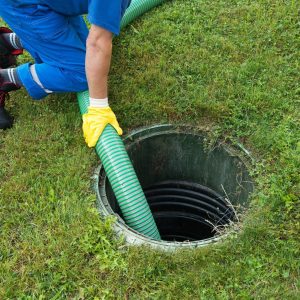
Septic tank pumping is typically required
-
Regular pumping schedules help prevent future overflows
3. Tree Root Infiltration
Tree roots can penetrate septic pipes or tanks in search of moisture, leading to cracks, blockages, or leaks—particularly in older systems.
General Solutions
-
Root removal and pipe repair may be necessary
-
Preventative landscaping practices reduce future risk
-
Trees and shrubs should be planted well away from septic components
4. Leaking Septic Tank
Leaks can develop due to age-related deterioration, soil movement, or improper installation. Leaking tanks allow untreated wastewater to enter surrounding soil.
General Solutions
-
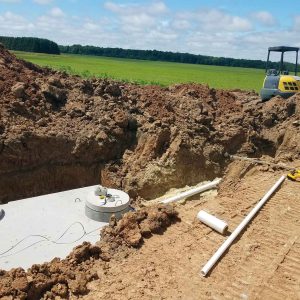
Professional evaluation is required to determine repair or replacement needs
-
In some cases, replacement may be more effective than repair
-
Proper installation and inspections help reduce leak risk
5. Drainfield Failure
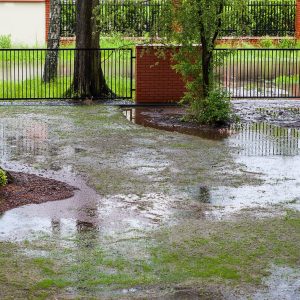
Drainfields can fail when soil becomes compacted, oversaturated, or clogged with solids. Signs include surface pooling, sewage odors, or wastewater backups.
General Solutions
-
Drainfield repair or replacement may be required
-
Reducing water usage can help prevent oversaturation
-
Routine inspections can identify early warning signs
6. Slow Drains Throughout the Property
When all fixtures drain slowly, the issue may be a blockage in the main sewer line or within the septic tank itself.
General Solutions
-
Rule out individual fixture clogs first
-
System-wide slow drainage typically requires professional assessment
7. Persistent Odors Indoors or Outdoors
Unpleasant odors can result from leaks, blocked vents, drainfield issues, or improper system function.
General Solutions
-
Inspect for visible signs of leaks or pooling
-
Ensure system ventilation is unobstructed
-
Professional evaluation may be needed if odors persist
8. Costly Repairs Due to Neglected Maintenance
Many severe septic issues stem from skipped inspections and pumping. Neglect allows minor problems to escalate into expensive failures.
General Solutions
-
Follow recommended pumping intervals
-
Schedule periodic inspections
-
Address small issues promptly to avoid major repairs
Preventative Practices for Septic System Health
Proactive care significantly reduces the likelihood of septic system problems.
Recommended practices include:
-
Pumping the septic tank every three to five years
-
Monitoring and moderating water usage
-
Avoiding disposal of grease, wipes, and harsh chemicals
-
Conducting regular system inspections
-
Protecting the drainfield from heavy traffic and deep-rooted plants
Most septic system problems are preventable through proper design, routine maintenance, and mindful household practices. Understanding common issues and addressing them early helps extend system lifespan, protect environmental resources, and reduce long-term repair costs.