Many misconceptions surround septic systems and drainfields. Unfortunately, these myths often lead homeowners to overlook essential maintenance, which can cause unnecessary damage and shorten the lifespan of their systems. Understanding how a drainfield actually works—and what affects its performance—is key to avoiding costly repairs and keeping a septic system operating efficiently.
Below are some of the most common drainfield myths, along with the facts that every homeowner should understand.
Myth 1: “If the Drainfield Is Working, You Don’t Need to Pump the Septic Tank”
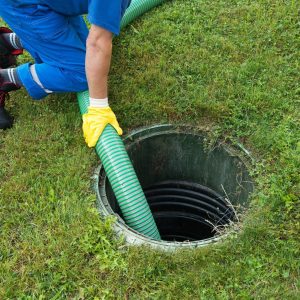
This is one of the most damaging misconceptions about septic systems. Even when a drainfield appears to be functioning properly, regular septic tank pumping is still essential.
Over time, solid waste accumulates in the septic tank. If the tank is not pumped at appropriate intervals, solids can overflow into the drainfield. Once solids reach the drainfield, they can clog pipes and soil pores, reducing the system’s ability to absorb and treat wastewater.
Most septic tanks require pumping every three to five years, depending on household size and water usage. Skipping this maintenance can lead to gradual drainfield deterioration and, in severe cases, complete system failure.
Myth 2: “All Septic Systems and Drainfields Are the Same”
Septic systems are highly site-specific. System design varies based on factors such as soil composition, property size, water usage, slope, groundwater levels, and local regulations.
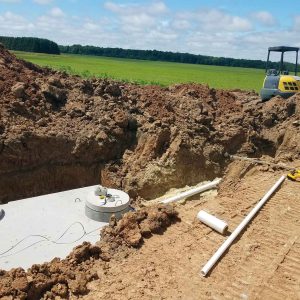
Some properties use conventional gravity systems, while others require alternative designs such as mound systems or aerobic treatment units. For example, areas with poor soil drainage or high water tables often require elevated or advanced treatment systems to function properly.
Understanding the specific design and limitations of a septic system is essential for proper care and long-term performance.
Myth 3: “Trees and Structures Can Be Placed Over the Drainfield”
A drainfield may look like unused yard space, but it should remain clear and undisturbed. Tree roots pose a serious risk, as they can infiltrate perforated pipes, cause blockages, and disrupt wastewater distribution. Even plants that do not reach the pipes can compact soil and interfere with proper filtration.
Similarly, placing sheds, patios, driveways, or parking vehicles over the drainfield can compress the soil and damage underground components. Compacted soil loses its ability to absorb wastewater effectively, increasing the risk of system failure.
To protect a drainfield, the area should remain free of deep-rooted vegetation, heavy equipment, and permanent structures.
Myth 4: “Septic Additives Replace the Need for Maintenance”
Some products claim to eliminate the need for septic tank pumping or improve drainfield performance through additives. While certain additives may help break down limited organic matter, they do not remove accumulated solids from the tank.
In some cases, chemical additives can disrupt the natural bacterial balance of the system, potentially causing more harm than good. Regular pumping, inspections, water conservation, and responsible use remain the most effective ways to maintain a septic system.
Additives should never be viewed as a substitute for routine septic maintenance.
Myth 5: “Drainfields Last Forever”
Even with proper care, drainfields have a finite lifespan. Most drainfields last approximately 20 to 30 years, though longevity depends on soil conditions, system design, water usage, and maintenance practices.
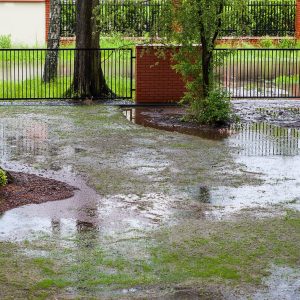
Over time, soil pores can become clogged with fine particles or organic material, reducing the drainfield’s ability to absorb effluent. Excessive water use, soil compaction, and lack of maintenance can significantly shorten system life.
Regular pumping, water conservation, and protecting the drainfield area can help maximize its lifespan, but eventual replacement is a normal part of septic system ownership.
Myth 6: “Septic Systems Are Only Used in Rural Areas”
While septic systems are common in rural settings, they are also widely used in suburban and developing areas where municipal sewer connections are unavailable or impractical. In many cases, septic systems are a long-term wastewater solution rather than a temporary one.
When properly designed and maintained, septic systems can be an effective and environmentally responsible way to treat wastewater, returning treated water to the soil and helping replenish groundwater supplies.
Regardless of location, understanding septic system operation and maintenance is essential for avoiding problems.
Believing common drainfield myths can lead to neglected maintenance, system damage, and unnecessary expenses. By understanding how drainfields function and what they require to operate properly, homeowners can make informed decisions that protect their septic systems over the long term.
Regular septic tank pumping, responsible water use, protecting the drainfield area, and relying on factual information rather than misconceptions are key to maintaining a healthy system. With proper care, a drainfield can function effectively for decades while protecting both property and environmental health.