Cold winter temperatures can pose serious challenges for septic systems, particularly drainfields and leach fields. When a drainfield freezes, wastewater may no longer disperse properly into the soil, leading to slow drainage, system backups, and potential damage to septic components.
Understanding why drainfields freeze, how to recognize early warning signs, and what steps to take can help homeowners reduce risk and respond effectively during winter conditions.
Why Drainfields Freeze
Drainfields freeze when soil temperatures drop low enough to freeze wastewater in pipes or surrounding soil. Several conditions increase the likelihood of freezing:
-
Insufficient insulation: Lack of snow cover, mulch, or organic material allows frost to penetrate deeper into the soil
-
Low system use: Infrequent wastewater flow reduces heat generation within the system
-
Shallow pipe depth: Pipes installed above the frost line are more susceptible to freezing
-
Compacted snow or soil: Compaction reduces insulating air pockets and increases frost penetration
-
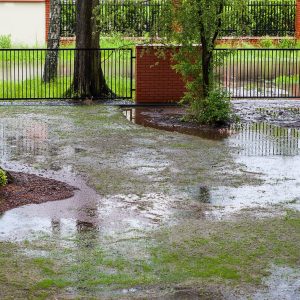
Poor surface drainage: Standing water near the drainfield can freeze and worsen soil saturation
Signs a Drainfield May Be Frozen
Early detection can prevent more serious system damage. Common indicators include:
-
Slow drainage from sinks, tubs, and toilets
-
Sewage odors indoors or near the drainfield
-
Standing water or ice forming above the drainfield
-
Wastewater backing up into household plumbing
If multiple symptoms occur simultaneously, freezing is a strong possibility.
How to Prevent Drainfield Freezing
1. Maintain Surface Insulation
Natural insulation helps protect soil temperature.
-
Leave grass slightly longer in the fall
-
Allow snow to remain undisturbed over the drainfield
-
Add straw, mulch, or leaves for additional insulation
2. Avoid Soil and Snow Compaction
Compacted snow loses insulating properties.
-
Avoid foot traffic, vehicles, or equipment over the drainfield
-
Clearly mark drainfield boundaries to prevent accidental compaction
3. Maintain Consistent Water Use
Regular wastewater flow helps keep the system warm.
-
Space water use evenly throughout the day
-
Avoid sudden, large water discharges
-
If the home is vacant, periodic water use may help prevent freezing
4. Manage Surface Water
Prevent excess moisture from freezing near the system.
-
Ensure proper grading directs runoff away from the drainfield
-
Use gutters and downspouts to move roof runoff away from the system
5. Verify Pipe and System Depth
Proper installation depth reduces freeze risk.
-
Septic components should be installed below the local frost line
-
If installing or replacing a system, confirm depth meets local standards
6. Insulate Exposed Components
Where accessible:
-
Insulate exposed pipes using approved foam sleeves
-
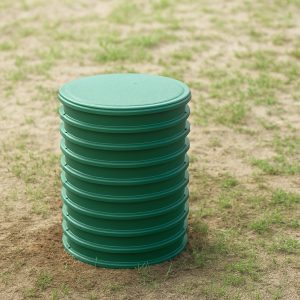
Insulate septic tank access lids to reduce heat loss
What to Do If a Drainfield Freezes
1. Reduce Water Use
Minimize water use immediately to prevent backups or pipe damage.
2. Apply Gentle Thawing Methods
For minor freezing near accessible pipes:
-
Use warm (not boiling) water
-
Apply low-temperature heating devices carefully
-
Avoid open flames or high-heat sources
3. Seek Professional Assistance
Frozen drainfields often require professional assessment.
-
Specialized equipment may be needed to safely thaw pipes
-
Professionals can inspect for freeze-related damage or underlying system issues
Risks of Ignoring a Frozen Drainfield
Leaving a frozen drainfield unaddressed can lead to:
-
Cracked or burst pipes due to ice expansion
-
Sewage backups into the home
-
Long-term drainfield damage
-
Potential groundwater contamination
Prompt action reduces the likelihood of permanent system failure.
Frozen drainfields are a common winter septic issue, particularly in colder climates or during prolonged freezing conditions. Preventive measures—such as insulation, water management, and traffic control—greatly reduce risk. When freezing does occur, minimizing system use and seeking qualified assistance is essential to protect both the septic system and the property.