
If you are a homeowner with a septic system, understanding proper septic tank maintenance is essential to protecting your property, avoiding costly repairs, and ensuring safe wastewater treatment. Neglecting routine maintenance can lead to system failure, environmental contamination, and serious health risks. This article explains why septic tank maintenance and septic tank pumping are critical to the long-term performance of your system.
Why Septic Tank Maintenance Matters
A septic tank is designed to collect and partially treat wastewater from your home. Inside the tank, solids settle at the bottom while liquids flow onward to the drainfield. Over time, solids accumulate and must be removed through routine pumping. Without proper maintenance, these solids can overflow into the drainfield, leading to clogs, backups, and system failure.
A well-maintained septic system can last decades. In contrast, a neglected system may fail prematurely, resulting in expensive repairs or full replacement. Regular maintenance helps ensure efficient operation, protects groundwater, and reduces the risk of sewage backups and unpleasant odors.
Signs That Your Septic Tank Needs Pumping
Knowing when your septic tank needs pumping can help prevent serious problems. Common warning signs include:
-
Slow-draining sinks, toilets, or showers throughout the home
-
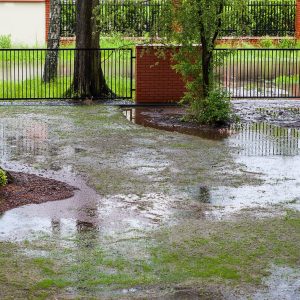
Sewage backups or standing water near the septic tank or drainfield
-
Unpleasant odors coming from drains or the yard
-
Unusually lush or fast-growing grass over the drainfield
Regular inspections can also determine sludge and scum levels inside the tank. Addressing these signs early can prevent damage to the drainfield and reduce long-term repair costs.
Benefits of Regular Septic Tank Pumping
Routine septic tank pumping provides several important benefits:
-
Prevents system failure by removing solid waste before it causes blockages
-
Protects groundwater by reducing the risk of untreated wastewater leakage
-
Extends system lifespan by preventing drainfield damage
-
Reduces repair costs by addressing issues before they become severe
Most septic tanks should be pumped every 3 to 5 years, depending on household size, water usage, and tank capacity.
How Often Should a Septic Tank Be Pumped?
There is no single schedule that applies to every household. Pumping frequency depends on factors such as:
-
Number of occupants in the home
-
Septic tank size
-
Water usage habits
-
Use of garbage disposals or high-water appliances
Homes with higher water usage or smaller tanks may require more frequent pumping. Routine inspections help determine the most appropriate schedule for each system.
Septic Tank Maintenance Homeowner Tips
Homeowners can take simple steps to support septic system health:
-
Avoid flushing non-biodegradable items such as wipes, paper towels, and hygiene products
-
Limit the use of harsh chemicals that disrupt beneficial bacteria
-
Spread out laundry and high-water activities
-
Prevent vehicle or heavy equipment traffic over the drainfield
-
Maintain proper landscaping and keep tree roots away from system components
These practices help reduce strain on the system and improve long-term performance.
Why Professional Septic Services Are Important
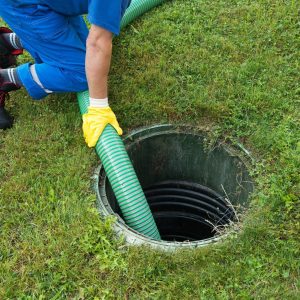
While homeowners can manage basic care, professional septic services are essential for pumping, inspections, and system evaluations. Trained professionals have the equipment and expertise to safely remove waste, identify early problems, and ensure compliance with health and environmental standards.
Attempting to pump or repair a septic system without proper training can be dangerous and may cause additional damage. Professional maintenance helps ensure reliable system operation and reduces long-term risk.
Common Septic System Problems and How to Avoid Them
Some of the most common septic system issues include:
-
Sludge buildup due to infrequent pumping
-
Drainfield failure caused by soil compaction or excess solids
-
Chemical disruption from cleaners, solvents, or grease
-
Root intrusion damaging pipes and distribution lines
Most of these problems are preventable through regular pumping, inspections, water conservation, and proper system use.
Septic Tank Pumping Costs and Long-Term Value
The cost of routine septic tank pumping is modest compared to the expense of major repairs or system replacement. Preventive maintenance helps homeowners avoid emergency situations, property damage, and environmental contamination.
Routine pumping is an investment in system longevity, safety, and peace of mind.
Proactive septic tank maintenance is essential for protecting your home, your health, and the environment. Regular septic tank pumping, inspections, and mindful system use can prevent costly failures and extend the life of your septic system.
By staying informed and maintaining a consistent care schedule, homeowners can ensure their septic systems operate safely and efficiently for many years.