
Knowing the location of your drainfield is essential for proper septic system care and long-term performance. The drainfield is a critical component of a septic system, responsible for treating and dispersing wastewater after it leaves the septic tank. When homeowners are unaware of its location, accidental damage—such as driving over the area or planting deep-rooted trees nearby—can occur and lead to costly repairs.
This guide explains why locating your drainfield matters, how to find it, and how to protect it once identified.
Why Knowing Your Drainfield’s Location Matters
Understanding where your drainfield is located helps prevent common issues and supports proper septic system maintenance.
1. Preventing Physical Damage
Driving vehicles or operating heavy equipment over a drainfield can compact the soil. Compacted soil loses its ability to absorb and filter wastewater effectively, increasing the risk of system failure.
2. Avoiding Root Intrusion
Trees and shrubs with aggressive root systems can penetrate drainfield pipes, causing blockages or damage. Knowing the drainfield’s location helps you avoid planting deep-rooted vegetation too close to the system.
3. Supporting Routine Monitoring
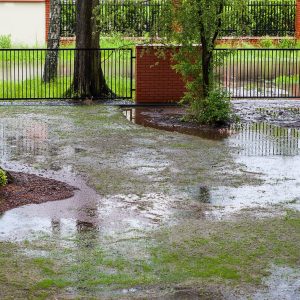
When you know where the drainfield is, it’s easier to watch for warning signs such as pooling water, foul odors, or changes in grass growth, allowing early intervention if problems arise.
4. Simplifying Repairs and Upgrades
If repairs, inspections, or system upgrades are required, clearly identifying the drainfield location helps professionals work more efficiently and reduces unnecessary disturbance to your property.
How to Locate Your Drainfield
If you’re unsure where your drainfield is located, the following steps can help you identify it.
1. Review Property Records or Septic Permits
Septic system permits and property records often include a site diagram showing the location of the septic tank, drainfield, and related components. These records are typically filed with the local health department or environmental agency. If you do not have copies, they can often be requested.
2. Look for Visual Clues in the Yard
Several surface indicators may suggest where a drainfield is located:
-
Greener or faster-growing grass: Nutrients in treated wastewater can promote plant growth.
-
Slight mounds or elevation changes: Some drainfields are installed in raised areas to improve drainage.
-
Vent pipes: In some systems, small pipes may extend above the ground near the drainfield.
While these signs are not definitive, they can help narrow down the area.
3. Use a Soil Probe or Metal Detector
A soil probe can help locate drainfield trenches by detecting resistance from gravel or piping typically found 6 to 12 inches below the surface. Insert the probe carefully to avoid damaging pipes.
If metal components such as a distribution box are present, a metal detector may help identify their location.
4. Trace the Path from the Septic Tank
Drainfields are commonly located downslope from the septic tank to allow gravity-assisted flow. Once you locate the septic tank access lid, the drainfield is often found 10 to 30 feet away, depending on the system design and property layout.
5. Consult a Septic Professional
If records and visual clues are inconclusive, a licensed septic professional can locate the drainfield using specialized tools such as electronic locators or inspection cameras. This method is particularly useful for older systems or properties with unclear documentation.
Marking the Drainfield Location
Once the drainfield has been identified, marking its boundaries helps prevent accidental damage. Small stakes, flags, or landscaping markers can serve as visual reminders of the drainfield’s location.
Updating property maps or keeping a written record of the system layout is also helpful for future maintenance, repairs, or property transfers.
Caring for Your Drainfield After Locating It
After identifying the drainfield, proper care is essential to ensure long-term performance.
1. Avoid Soil Compaction
Keep vehicles, heavy equipment, and construction activity off the drainfield area to preserve soil structure and absorption capacity.
2. Manage Water Usage
Excessive water entering the system can overwhelm the drainfield. Spacing out laundry, fixing leaks, and using water-efficient fixtures can help reduce strain on the system.
3. Choose Appropriate Landscaping
Avoid planting trees or shrubs with deep root systems near the drainfield. Grass or shallow-rooted plants are best for stabilizing soil without interfering with system components.
4. Monitor for Warning Signs
Watch for slow drains, standing water, sewage odors, or unusually lush vegetation over the drainfield. These can indicate drainage or saturation issues that require professional attention.
5. Maintain a Regular Inspection and Pumping Schedule
Routine septic tank pumping and system inspections help prevent solids from entering the drainfield and allow early detection of potential problems.
Locating your drainfield is a key step in protecting your septic system and avoiding preventable damage. Knowing where the drainfield is located allows homeowners to prevent soil compaction, avoid root intrusion, monitor system performance, and support proper maintenance. Whether identified through records, visual indicators, or professional assistance, a clearly marked and well-cared-for drainfield can help ensure reliable septic system performance for many years.
Regular inspections, responsible water use, and thoughtful landscaping choices all contribute to extending the life of the drainfield and reducing the risk of costly repairs or system failure.