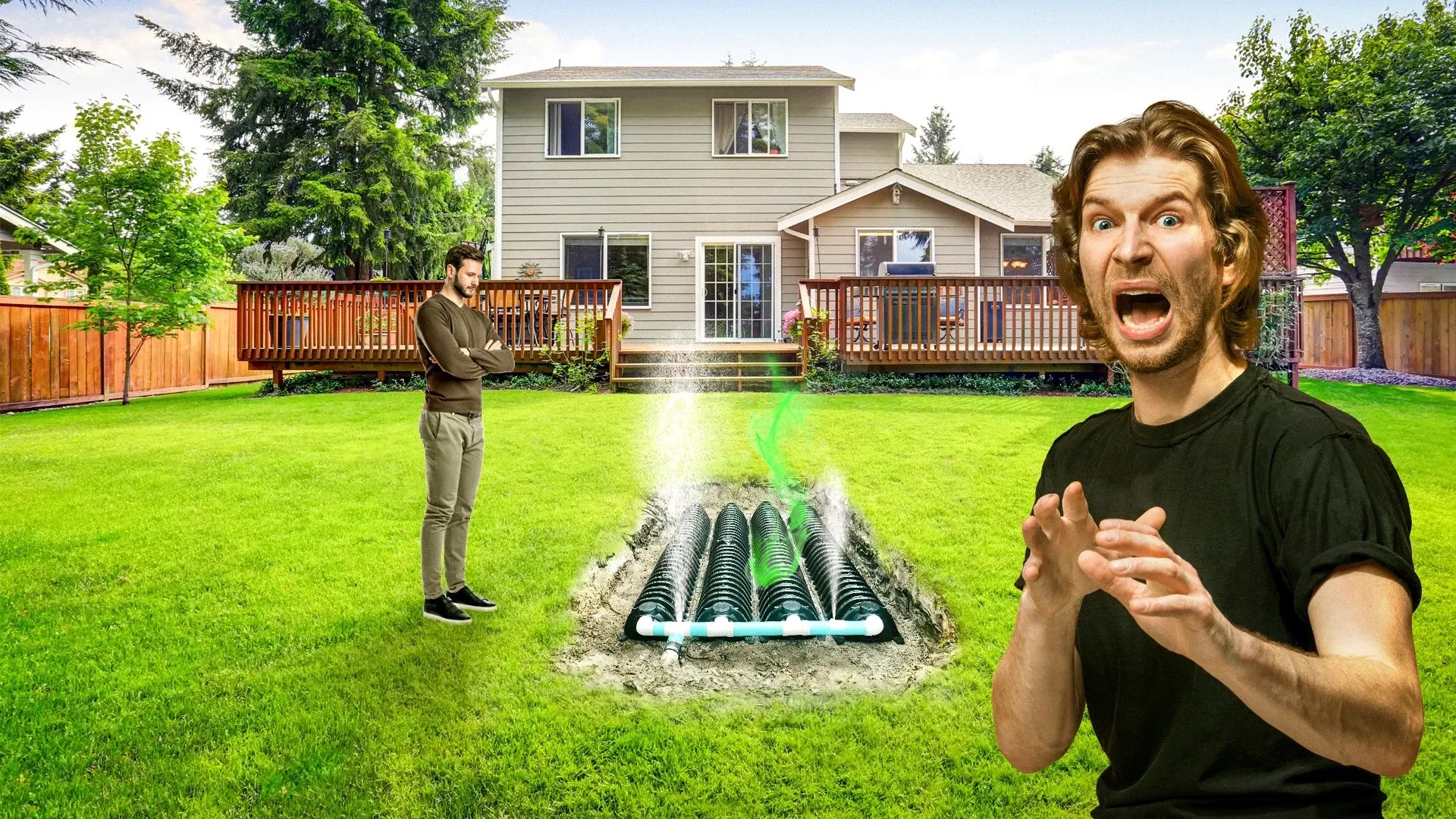
A septic system’s drainfield, also called a leach field, plays a critical role in filtering and dispersing treated wastewater into the soil. Over time, however, a drainfield can develop problems that affect both system performance and environmental safety. Identifying early warning signs of drainfield failure allows homeowners to take action before damage becomes severe or irreversible.
Below is an in-depth overview of the most common signs of a failing drainfield, potential causes, and recommended next steps.
1. Slow Drains Throughout the Home
Slow drainage in multiple fixtures—such as sinks, toilets, and showers—can indicate that the drainfield is no longer absorbing wastewater effectively. While a single slow drain may be caused by a localized plumbing issue, system-wide slow drainage often points to a septic system problem.
When the drainfield becomes saturated or clogged, treated wastewater has nowhere to disperse, causing pressure to build and slowing drainage throughout the home. Persistent slow drains should be evaluated by a qualified septic professional.
2. Foul Odors Near the Drainfield or Septic Area
Strong sewage or sulfur-like odors around the drainfield or septic tank area can indicate that wastewater is not being properly treated or absorbed. These odors may occur when effluent rises to the surface or escapes from saturated soil.
In addition to being unpleasant, these odors may signal a health risk, as untreated wastewater can contain harmful pathogens. Any persistent sewage smell warrants immediate investigation.
3. Unusually Lush or Fast-Growing Grass
Patches of grass that appear significantly greener or grow faster than surrounding areas can be a sign that wastewater is surfacing below the soil. When effluent fails to percolate properly, nutrients may act as fertilizer for vegetation above the drainfield.
While healthy grass is generally positive, uneven or excessive growth over the drainfield can indicate leakage, saturation, or reduced soil absorption capacity.
4. Standing Water or Saturated Soil
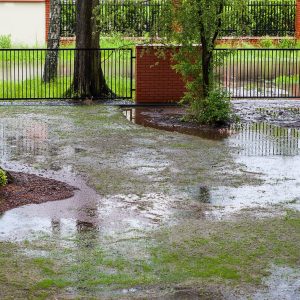
One of the clearest signs of drainfield failure is standing water or persistent soggy areas near the drainfield. When soil can no longer absorb effluent, wastewater may rise to the surface and collect in low spots.
Standing wastewater poses environmental and health risks, as it may contain bacteria, viruses, and contaminants. If surface pooling is observed, household water use should be minimized until the system is professionally evaluated.
5. Gurgling Sounds in Plumbing
Gurgling noises from drains, toilets, or pipes can occur when air becomes trapped due to restricted wastewater flow. This may happen when effluent cannot move freely into the drainfield because of saturation, clogging, or system backup.
Occasional noises may not be cause for concern, but persistent or widespread gurgling sounds often indicate a septic system issue requiring inspection.
6. Increased Frequency of Septic Tank Pumping
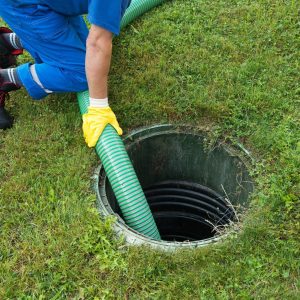
A septic tank that fills more quickly than expected may indicate that wastewater is not properly leaving the tank and dispersing into the drainfield. When the drainfield is failing, effluent may remain in the tank longer, increasing sludge levels and requiring more frequent pumping.
Needing to pump a septic tank far more often than the typical 3–5 year interval can signal underlying drainfield problems rather than normal system use.
Common Causes of Drainfield Failure
Drainfield failure often results from a combination of environmental conditions, system stress, and maintenance issues. Common causes include:
Excessive Water Use
High water demand can overwhelm the drainfield, preventing proper absorption and filtration.
Soil Compaction
Driving vehicles or placing heavy objects over the drainfield compresses soil, reducing permeability and damaging pipes.
Inadequate Maintenance
Failure to pump the septic tank regularly allows solids to enter the drainfield, clogging pipes and soil pores.
Root Intrusion
Tree and shrub roots may invade drainfield piping, restricting flow or causing physical damage.
Unsuitable Soil Conditions
Poorly draining soils, such as clay-heavy soils, increase the likelihood of saturation and system failure if not properly engineered.
What to Do if Drainfield Failure Is Suspected
If any warning signs are present, prompt action can help limit damage and avoid full system replacement.
1. Reduce Water Use
Limiting laundry, dishwashing, and long showers reduces stress on the drainfield while the issue is assessed.
2. Avoid Disturbing the Drainfield Area
Keep vehicles, equipment, and foot traffic off the drainfield to prevent further soil compaction.
3. Schedule a Professional Evaluation
A licensed septic professional can inspect the system, determine the cause of failure, and recommend appropriate solutions.
In some cases, drainfield issues can be corrected using targeted repairs such as pipe cleaning, soil treatment, or bio-remediation. More advanced failures may require partial reconstruction, system redesign, or installation of an alternative drainfield solution.
Recognizing the early signs of a failing drainfield is essential for protecting septic system performance, property value, and environmental health. Slow drains, odors, standing water, and frequent pumping are all indicators that should not be ignored.
With proper maintenance, responsible water use, and timely inspections, many drainfield problems can be addressed before they lead to complete system failure. Staying informed and acting early is the most effective way to extend the life of a septic system and avoid costly repairs.