
Drainfield distribution systems are designed to evenly disperse effluent (treated wastewater) into the soil. Proper distribution is essential for septic system performance, as it ensures the entire drainfield is used effectively to filter and biologically treat wastewater.
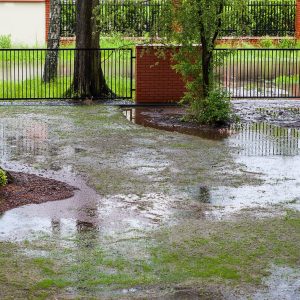
When effluent is distributed unevenly, certain areas of the drainfield may become oversaturated while others remain underused. This imbalance can lead to soil saturation, poor filtration, foul odors, wastewater surfacing, and eventual septic system failure. Distribution systems play a critical role in preventing these issues and extending the lifespan of the drainfield.
Why Even Distribution Is Critical
A drainfield depends on uniform wastewater loading to function correctly. When effluent enters the soil at a controlled and even rate:
-
Soil microbes can properly break down contaminants
-
Oxygen remains available for biological treatment
-
Soil structure stays intact and permeable
-
No single area becomes overloaded or compacted
Uneven distribution can overwhelm localized sections of the drainfield, reducing treatment effectiveness and increasing the likelihood of system failure. Distribution systems are specifically designed to prevent this outcome.
Common Types of Drainfield Distribution Systems
Different distribution systems are used depending on site conditions such as soil type, slope, depth to groundwater, and system design requirements.
1. Gravity Distribution Systems
Gravity distribution systems rely on natural elevation changes to move effluent from the septic tank into the drainfield. Perforated pipes are installed in gravel-filled trenches, allowing wastewater to exit slowly and infiltrate the surrounding soil.
Best suited for:
-
Flat or gently sloped properties
-
Soils with adequate drainage
-
Sites with sufficient space
Key characteristics:
-
Simple design
-
Low mechanical complexity
-
Minimal maintenance requirements
2. Pressure Distribution Systems
Pressure distribution systems use a pump to deliver effluent at a controlled pressure throughout the drainfield. This ensures even dispersal regardless of terrain variations or shallow soil conditions.
Best suited for:
-
Uneven or sloped terrain
-
Shallow or slowly draining soils
-
Elevated or engineered drainfields
Key characteristics:
-
More uniform effluent distribution
-
Higher performance in challenging conditions
-
Requires electricity and routine pump maintenance
3. Serial Distribution Systems
In serial distribution systems, effluent flows sequentially through a series of trenches. Once one trench reaches capacity, excess effluent flows into the next trench downhill.
Best suited for:
-
Sloped sites
-
Situations where gravity flow can be controlled across multiple zones
Key characteristics:
-
Controlled wastewater movement
-
Reduced risk of single-trench overload
-
Requires careful design and monitoring
4. Distribution Box (D-box) Systems
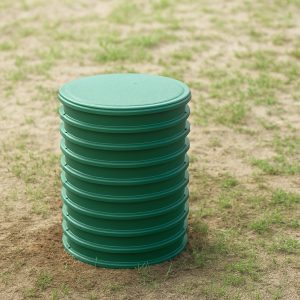
A distribution box is a central structure that divides effluent evenly among multiple drainfield laterals. It is commonly used with gravity and pressure systems.
Function:
-
Splits effluent flow equally
-
Balances wastewater loading across the drainfield
Key considerations:
-
Must remain level to function properly
-
Periodic inspection is necessary to ensure even flow
5. Mound System Distribution
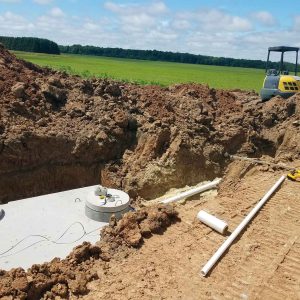
Mound systems are engineered drainfields built above natural grade using sand and gravel. Effluent is typically distributed using a pressure system to ensure uniform coverage throughout the mound.
Best suited for:
-
High water tables
-
Shallow or unsuitable native soils
-
Sites with limited natural drainage
Key characteristics:
-
Elevated treatment area
-
Requires precise design and installation
-
Higher maintenance needs compared to conventional systems
The Role of Soil in Drainfield Distribution
Soil properties directly influence how well a distribution system performs. Key soil types include:
-
Sandy soils: Allow rapid percolation but may require controlled distribution to prevent insufficient treatment time
-
Clay soils: Drain slowly and require careful distribution to avoid saturation
-
Loamy soils: Provide balanced drainage and filtration and are generally ideal for septic systems
A percolation test is used to evaluate soil absorption rates and determine which distribution method is most appropriate for a given site.
Maintaining a Drainfield Distribution System
Routine maintenance is essential for preserving proper distribution and system function.
Best practices include:
-
Inspect distribution components regularly
Distribution boxes and pressure manifolds should be checked to ensure balanced flow. -
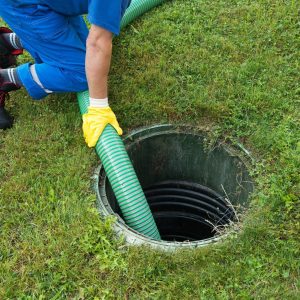
Pump the septic tank on schedule
Removing solids prevents clogging of distribution pipes and drainfield soil. -
Maintain pumps and controls (if applicable)
Pressure systems depend on properly functioning pumps and alarms. -
Manage household water use
Excessive water use can overwhelm even well-designed distribution systems. -
Protect the drainfield area
Avoid heavy traffic, structures, and deep-rooted vegetation that can compact soil or damage piping.
Drainfield distribution systems play a fundamental role in septic system performance by ensuring effluent is evenly dispersed and properly treated by the soil. Whether a system relies on gravity, pressure, serial flow, distribution boxes, or engineered mounds, correct design and ongoing maintenance are essential for long-term reliability.
Understanding how distribution systems work allows property owners to recognize potential problems early, support system longevity, and reduce the risk of environmental contamination. Regular maintenance and proper water management remain the most effective ways to protect a drainfield and ensure consistent wastewater treatment over time.