
In an ideal world, every property would have the perfect conditions for a traditional septic drainfield. In reality, many homeowners face obstacles such as poor soil drainage, high groundwater levels, limited lot size, or environmental restrictions that make conventional systems impractical—or impossible.
The good news is that modern septic design offers several effective alternative drainfield solutions that can safely treat wastewater even under challenging conditions. This guide explores five common drainfield alternatives, how they work, when they’re used, and the pros and cons of each.
Why a Conventional Drainfield May Not Work
Traditional drainfields rely on natural soil filtration to treat wastewater as it slowly percolates through the ground. When site conditions aren’t suitable, this process breaks down. Common limiting factors include:
1. Soil Composition
-
Clay-heavy soils drain too slowly, leading to saturation and failure
-
Overly sandy soils drain too quickly, reducing filtration time
2. High Water Tables
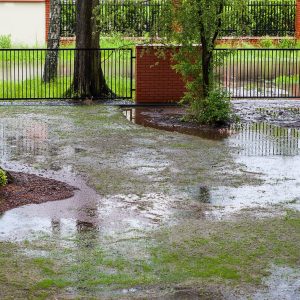
When groundwater sits close to the surface, untreated effluent may contaminate groundwater before adequate treatment occurs.
3. Limited Property Size or Steep Slopes
Small lots or sloped terrain may not allow enough space for a properly sized drainfield or even distribution.
4. Environmental or Regulatory Restrictions
Properties near rivers, lakes, wetlands, or wells often require enhanced treatment to protect water quality.
If any of these conditions apply, an alternative drainfield design may be required.
Common Drainfield Alternatives
1. Mound Systems
A mound system raises the drainfield above natural ground level using a constructed bed of sand, gravel, and soil.
How It Works
-
Effluent is pumped from the septic tank into the elevated mound
-
Wastewater filters downward through sand and gravel
-
Treated effluent then enters the native soil safely
Best For
-
Poorly draining or clay soils
-
High groundwater levels
-
Shallow soil depth
Pros
-
Effective where traditional systems fail
-
Protects groundwater in high water table areas
Cons
-
Higher installation cost
-
Elevated mound may impact aesthetics
2. Aerobic Treatment Units (ATUs)
Aerobic Treatment Units introduce oxygen to accelerate wastewater treatment, producing much cleaner effluent than conventional systems.
How It Works
-
Air pumps introduce oxygen into the treatment chamber
-
Aerobic bacteria rapidly break down organic waste
-
Treated effluent is dispersed into soil for final filtration
Best For
-
Small or restricted lots
-
Environmentally sensitive areas
-
Sites requiring higher treatment levels
Pros
-
Superior wastewater treatment
-
Smaller drainfield footprint
Cons
-
Requires electricity
-
Ongoing maintenance and inspections needed
3. Drip Irrigation Systems
Drip irrigation systems distribute treated effluent slowly and evenly through shallow tubing installed just below the soil surface.
How It Works
-
Wastewater is pretreated (often with an ATU)
-
Effluent is pumped through drip lines
-
Slow release prevents soil saturation
Best For
-
Shallow soils
-
Limited space
-
Uneven terrain
Pros
-
Even distribution reduces overloading
-
Minimal excavation required
Cons
-
Higher upfront cost
-
Requires regular maintenance to prevent clogging
4. Evapotranspiration (ET) Systems
ET systems dispose of wastewater through evaporation and plant uptake rather than soil absorption.
How It Works
-
Effluent is placed in a lined, shallow bed
-
Water evaporates or is absorbed by vegetation
-
Minimal effluent enters the soil
Best For
-
Arid or semi-arid climates
-
Sites with very limited soil depth
Pros
-
Minimal groundwater impact
-
Effective where soil absorption is limited
Cons
-
Not suitable for humid or high-rainfall areas
-
Requires careful design and plant management
5. Sand Filter Systems
Sand filters provide advanced treatment by passing wastewater through engineered layers of sand before soil dispersal.
How It Works
-
Effluent is pumped over a sand bed
-
Microbes and sand filter contaminants
-
Treated wastewater is collected and dispersed
Best For
-
Poor soil conditions
-
High water tables
-
Sites needing enhanced filtration
Pros
-
High-quality effluent treatment
-
Can be combined with other systems
Cons
-
Regular maintenance required
-
Higher installation costs
Choosing the Right Drainfield Alternative
Selecting the appropriate system depends on:
-
Soil composition and percolation rates
-
Groundwater depth
-
Property size and layout
-
Environmental considerations
-
Local and state regulations
Because each property is unique, working with a qualified septic professional is essential to ensure proper design, permitting, and long-term performance.
Challenging site conditions don’t mean you’re out of options. From mound systems and aerobic treatment units to drip irrigation and sand filters, modern drainfield alternatives provide safe, effective wastewater treatment where traditional systems fall short.
The key to success lies in proper evaluation, professional design, and ongoing maintenance. With the right system in place, homeowners can protect their property, their health, and the surrounding environment for decades to come.