
A drainfield is a critical component of a septic system, responsible for filtering wastewater safely back into the soil. Although it operates quietly underground, it requires proper care to continue functioning effectively. Consistent maintenance and mindful use can prevent system failures, environmental contamination, and costly repairs.
The following do’s and don’ts outline best practices for protecting and extending the life of a septic drainfield.
Do: Pump the Septic Tank on a Regular Schedule
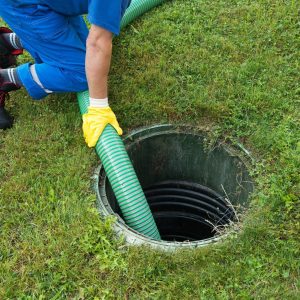
Routine septic tank pumping is one of the most important steps in protecting a drainfield. Pumping removes accumulated solids that could otherwise overflow into the drainfield and clog the soil or pipes.
-
Most households should pump their septic tank every 3–5 years
-
Larger households or higher water usage may require more frequent pumping
-
If the last pumping date is unknown, scheduling service is recommended
Regular pumping helps ensure the drainfield is not burdened by excess solids.
Don’t: Drive or Park on the Drainfield
Drainfields are not designed to support weight. Driving or parking vehicles over the area can compact soil and damage underground pipes.
-
Keep cars, trucks, and heavy equipment off the drainfield
-
Avoid placing sheds, patios, pools, or other structures over the area
Preventing soil compaction helps maintain proper wastewater absorption.
Do: Flush Responsibly
A septic system is designed to handle only specific materials.
-
Flush only human waste and toilet paper
-
Dispose of wipes, paper towels, hygiene products, and similar items in the trash
-
Avoid pouring grease, oils, or harsh chemicals down drains
Limiting what enters the system helps protect beneficial bacteria and prevents blockages.
Don’t: Overload the System with Water
Excessive water use can overwhelm a drainfield and reduce its ability to filter wastewater.
-
Spread out laundry and dishwashing activities
-
Repair leaks promptly
-
Be mindful of prolonged or excessive water use
Balanced water flow allows the drainfield soil to function properly.
Do: Maintain Drainfield-Safe Landscaping
The area above the drainfield should remain clear and lightly planted.
-
Use grass or shallow-rooted plants to prevent erosion
-
Avoid trees or shrubs with deep or aggressive root systems
-
Keep heavy objects off the area
Proper landscaping protects pipes and preserves soil structure.
Don’t: Ignore Early Warning Signs
Drainfield problems often provide early indicators before major failure occurs.
Common warning signs include:
-
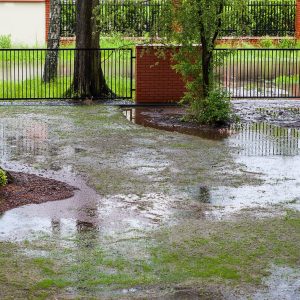
Standing or soggy water near the drainfield
-
Persistent sewage odors
-
Slow or gurgling drains inside the home
Addressing issues early can prevent more extensive damage.
Do: Redirect Surface Water Away from the Drainfield
Excess rainwater can oversaturate drainfield soil and interfere with wastewater treatment.
-
Direct gutters and downspouts away from the drainfield
-
Ensure proper grading so water flows away from the area
Keeping surface water separate from wastewater is essential for system health.
Don’t: Skip Routine Inspections
Even when a system appears to be working well, inspections are important.
-
Schedule professional inspections every 3–5 years
-
Inspect more frequently if the system experiences heavy use
Inspections can identify developing issues before they become serious.
Do: Educate Everyone in the Household
Proper drainfield care depends on shared responsibility.
-
Teach household members what should and should not go down drains
-
Inform guests of any septic system considerations
-
Encourage water conservation habits
Consistent use practices help maintain system stability.
Don’t: Attempt DIY Drainfield Repairs
Septic systems are complex and regulated.
-
Leave repairs, pumping, and inspections to licensed professionals
-
DIY attempts can worsen damage and may violate local regulations
Professional service ensures work is performed safely and correctly.
Drainfield care does not require complex routines, but it does require consistency and awareness. By following these do’s and don’ts—regular pumping, mindful water use, proper landscaping, and routine inspections—homeowners can significantly extend the life of their septic systems.
Preventative care protects not only the system itself but also the surrounding environment and the long-term value of the property.