
Your drainfield (also known as a leach field) plays a crucial role in your septic system, managing all the wastewater your household produces. It quietly filters that water back into the ground without you ever having to think about it.
But here’s the catch: your drainfield is not designed to handle heavy loads like cars, trucks, or RVs. Driving or parking on it isn’t just a bad idea—it can lead to serious and expensive problems. Let’s break down why keeping vehicles off your drainfield matters and how to avoid costly mistakes.
What’s Happening Underneath?
Think of your drainfield as a network of underground pipes and soil working together to treat wastewater. After water leaves your septic tank, it flows through these pipes and slowly filters through the soil before safely returning to the groundwater.
The key word here is delicate.
While your drainfield is designed to handle water, it cannot support the weight of vehicles. Imagine stepping on a sponge—press too hard and it loses its ability to absorb water. The same thing happens when you drive or park on your drainfield:
-
The soil becomes compacted
-
Pipes underneath can crack, shift, or collapse
-
Water can no longer filter properly
What Are the Risks?
When the soil or pipes in your drainfield are compromised, wastewater may not filter as it should. Instead of safely soaking into the ground, it can:
-
Back up into your septic tank
-
Flow back into your home through drains
-
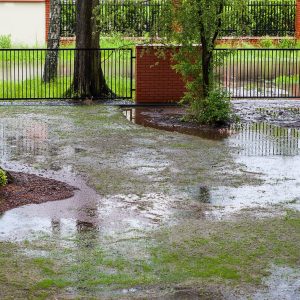
Surface in your yard as raw sewage
Beyond being unpleasant, untreated wastewater poses real health risks for you, your family, and your neighbors.
One of the trickiest parts is that damage doesn’t always happen right away. You might think, “I’ve parked there a few times and nothing happened.” But repeated pressure slowly weakens the soil and pipes. It’s like bending a paperclip—once is fine, but do it enough times and it snaps. Drainfield damage often shows up months or even years later.
Weather Makes It Worse
Wet ground is especially vulnerable. After heavy rain or snowmelt, soil is softer and far more prone to compaction. In these conditions, even a single pass by a heavy vehicle can cause lasting damage to your drainfield.
Even Occasional Use Can Be Harmful
It might seem harmless to park there “just once” or “just for a few hours,” but even infrequent vehicle traffic can damage a drainfield. Unlike driveways or roads, drainfields are never designed for any level of traffic. Playing it safe is always the best option.
Protecting Your Property Value
Drainfield damage doesn’t just affect your septic system—it can also impact your home’s value. A damaged drainfield often means major repairs or full replacement, which can cost thousands of dollars and become a serious issue during a home sale.
Protecting your drainfield is protecting your investment.
How to Avoid This Mistake
Know Where Your Drainfield Is
Many homeowners accidentally park on their drainfields simply because they don’t know where they’re located. If you’re unsure, check your septic system layout or have a professional inspect your property.
Mark the Area
Once you know where your drainfield is, mark it clearly. Decorative stones, small fences, or landscape borders can act as simple reminders to keep vehicles away.
Plan for Guests
Hosting a party or family gathering? Plan parking ahead of time so guests don’t use the drainfield area.
Communicate
Let guests, contractors, and delivery drivers know where the drainfield is and why it’s off-limits. Most people are happy to cooperate once they understand the risk.
Consider a Dedicated Parking Area
If space allows, creating a gravel or paved parking area can prevent accidental damage and protect your septic system long-term.
What If You’ve Already Driven on It?
If vehicles have already been on your drainfield, don’t panic—but do pay attention. Warning signs of damage include:
-
Slow drains
-
Gurgling sounds in plumbing
-
Sewage odors
-
Wet or soggy patches in the yard
If you notice any of these, contact a septic professional right away. Catching issues early can save you significant money on drainfield repairs.