Bacteria play a critical role in keeping septic systems and drainfields functioning properly. These microscopic organisms work continuously to break down waste, filter wastewater, and protect surrounding soil and groundwater. Without healthy bacterial activity, a septic system cannot operate as designed.
Understanding how bacteria support septic systems—and how everyday habits affect them—can help prevent clogs, backups, and system failure.
How Bacteria Function in a Septic System
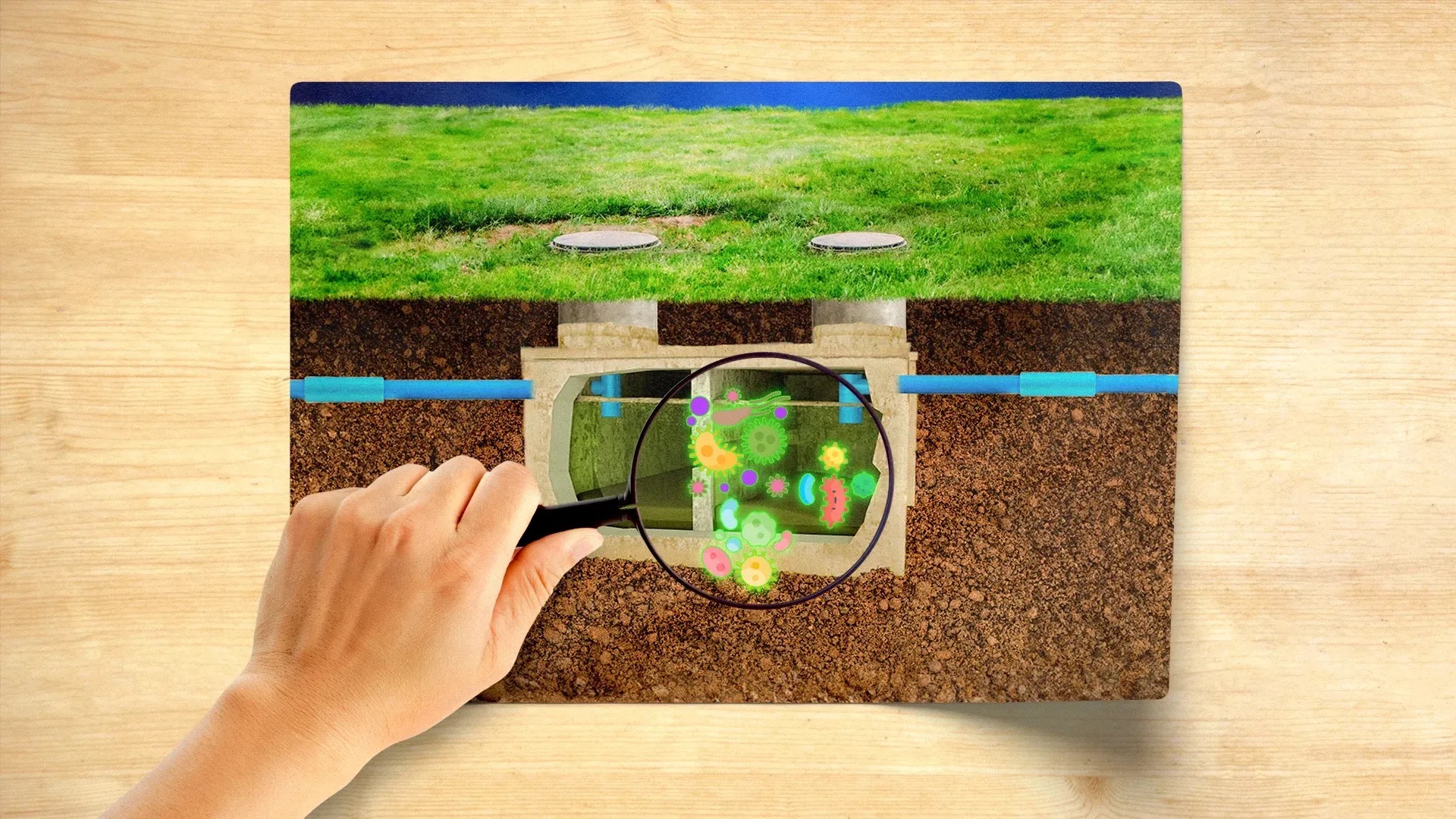
A septic system operates as a contained biological process, with bacteria performing several essential tasks:
- Breaking Down Waste: Inside the septic tank, bacteria digest solid waste, converting it into sludge, gas, and liquid effluent.
- Reducing Solid Buildup: By breaking down solids, bacteria help prevent excess material from entering the drainfield.
- Treating Wastewater: In the drainfield, bacteria in oxygen-rich soil further break down nutrients and pathogens in the effluent.
- Protecting Soil and Groundwater: This biological treatment ensures that wastewater is filtered before reentering the environment.
Without adequate bacterial activity, untreated waste can accumulate, leading to clogs, surface wastewater, and contamination.
Types of Bacteria in a Septic System
Two primary types of bacteria support septic system operation:
Anaerobic Bacteria
- Thrive in low-oxygen environments, such as the septic tank
- Responsible for breaking down solids and organic matter
- Less efficient than aerobic bacteria but essential inside the tank
Aerobic Bacteria
- Require oxygen and are found primarily in the drainfield soil
- Highly effective at breaking down remaining waste and pathogens
- Help finalize wastewater treatment before it returns to the soil
Both types must remain balanced for the system to function efficiently.
Factors That Harm Beneficial Bacteria
Certain household habits and substances can disrupt bacterial activity:
- Harsh Chemicals: Bleach, antibacterial cleaners, and strong disinfectants can kill beneficial bacteria.
- Excessive Water Use: High water volumes can flush bacteria out of the tank before they complete waste digestion.
- Non-Biodegradable Materials: Items such as wipes, feminine hygiene products, and grease interfere with biological processes.
- Medications and Antibiotics: Disposal of pharmaceuticals through plumbing can reduce bacterial populations.
Limiting these factors helps preserve the natural balance within the system.
Supporting Healthy Bacteria in a Septic System
Maintaining a healthy bacterial environment requires consistent, practical habits:
- Use cleaning products labeled safe for septic systems
- Limit the use of antibacterial soaps and chemical disinfectants
- Flush only toilet paper and human waste
- Spread out water-heavy activities to avoid system overload
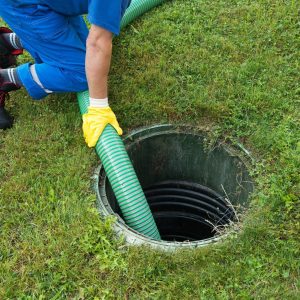
- Maintain a regular septic tank pumping schedule
These practices support bacterial efficiency and reduce strain on the drainfield.
Risks of Disrupted Bacterial Activity
When bacteria cannot perform effectively, septic systems may experience:
- Drainfield Clogging: Undigested solids can block soil and pipes.
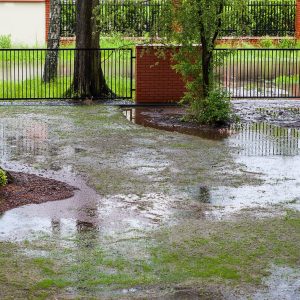
- System Backups: Wastewater may return to plumbing fixtures or surface areas.
- Environmental Contamination: Inadequately treated wastewater can impact groundwater quality.
Early signs of imbalance include slow drains, odors, and saturated soil near the drainfield.
Septic System Additives: What to Know
In certain situations, bacterial additives may help restore balance, such as after system pumping or chemical exposure. However:
- Additives should be specifically designed for septic systems
- Products claiming immediate or dramatic results should be avoided
- Additives do not replace proper maintenance or pumping
Routine care remains the most effective approach to system health.
Signs a Septic System May Be Struggling
Indicators that bacterial processes may be impaired include:
- Persistent slow drainage throughout the home
- Wet or spongy soil near the drainfield
- Strong sewage odors indoors or outdoors
These signs suggest reduced treatment efficiency and should be evaluated promptly.
Why Bacteria Are Essential to Septic System Longevity
Healthy bacterial populations:
- Enable continuous wastewater treatment
- Reduce the likelihood of clogs and backups
- Extend the lifespan of septic system components
- Protect property and surrounding environments
Supporting these biological processes is essential for long-term system performance.
Bacteria are the foundation of septic system function. By maintaining appropriate household habits, limiting harmful substances, and scheduling routine maintenance, homeowners can support bacterial health and prevent costly septic system problems.
Consistent care allows septic systems and drainfields to operate effectively, protecting both property and the environment over time.