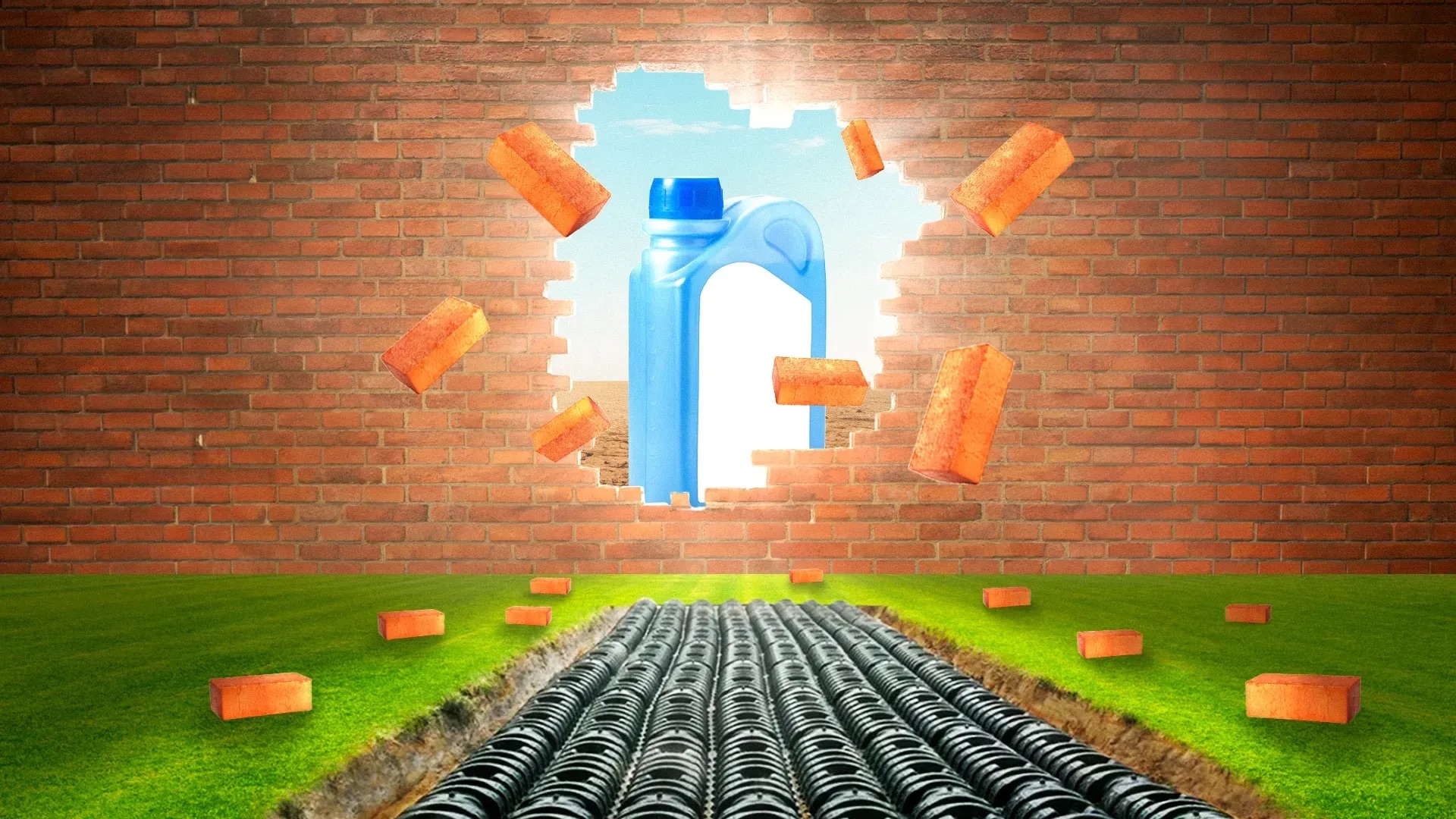
When it comes to septic system maintenance, septic tank additives are often marketed as an easy solution for improving system performance. These products claim to enhance waste breakdown, boost bacterial activity, and protect the drainfield. However, their actual effectiveness is widely debated.
Understanding how septic systems function and what research and industry experience indicate can help homeowners make informed maintenance decisions.
How a Septic System Works
A septic system relies on natural processes to treat household wastewater and consists of two primary components:
1. Septic Tank
Wastewater from the home flows into the septic tank, where solids settle at the bottom as sludge and lighter materials, such as oils and grease, rise to the top as scum. The liquid layer between them, called effluent, exits the tank for further treatment.
2. Drainfield (Leach Field)
The effluent flows into a network of underground pipes surrounded by soil. The soil naturally filters and treats the wastewater before it returns to the groundwater.
A properly functioning system already contains the bacteria needed to break down waste without external intervention.
What Are Septic Tank Additives?
Septic tank additives are products designed to alter or supplement the biological or chemical activity inside a septic system. They generally fall into two categories:
- Biological additives, which contain bacteria or enzymes intended to accelerate waste decomposition
- Chemical additives, which use solvents or other compounds to break down solids or scum
These products are often promoted as a way to reduce pumping frequency or prevent system problems.
Effectiveness of Septic Tank Additives
In a properly designed and maintained septic system, additives are typically unnecessary. Natural bacteria already present in the tank are sufficient for breaking down waste. Introducing additional bacteria or enzymes has not been shown to significantly improve system performance in most residential systems.
In many cases, additives do not eliminate the need for regular pumping or routine maintenance. Septic tanks still accumulate solids that must be physically removed to protect the drainfield.
Potential Risks of Using Additives
While additives are often marketed as harmless or beneficial, they may introduce unintended consequences:
- Excess solids migration: Increased biological activity can suspend solids that would normally remain settled, allowing them to enter the drainfield and cause clogging
- Disruption of tank layers: Enzymes may break down scum layers prematurely, allowing grease and fats to flow into the drainfield
- Soil and drainage damage: Certain chemical additives may alter soil structure, reducing its ability to properly filter wastewater
These effects can increase the risk of drainfield failure rather than prevent it.
Proven Septic System Maintenance Practices
Instead of relying on additives, the following maintenance practices are widely recognized as effective:
1. Routine Septic Tank Pumping
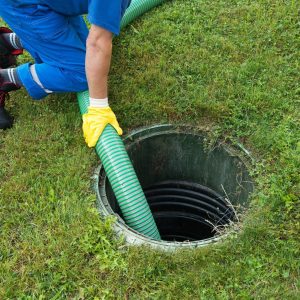
Pumping every 3 to 5 years removes accumulated sludge and scum, preventing solids from entering the drainfield.
2. Responsible Waste Disposal
Only human waste and toilet paper should be flushed. Items such as wipes, hygiene products, grease, and paper towels should be kept out of the system.
3. Balanced Water Usage
Spreading out laundry and dishwashing helps prevent hydraulic overload and protects the drainfield.
4. Prompt Leak Repairs
Leaking fixtures introduce unnecessary water into the system and can reduce treatment efficiency.
5. Drainfield Protection
Avoid parking vehicles, placing heavy objects, or performing construction over the drainfield to prevent soil compaction and pipe damage.
Septic tank additives are often marketed as a shortcut to better system performance, but they rarely provide meaningful benefits in properly functioning septic systems. In some cases, they may increase the risk of drainfield damage or system imbalance
The most reliable way to maintain a septic system is through routine pumping, responsible water use, proper waste disposal, and regular inspections. These proven practices support long-term system health without introducing unnecessary risks.