
A drainfield relies on loose, well-aerated soil to properly absorb and filter wastewater. When soil becomes compacted, water movement slows or stops entirely, placing strain on the entire septic system. Soil compaction can reduce system efficiency, increase the risk of backups, and lead to premature drainfield failure if not addressed.
Understanding how compaction occurs, how to recognize it, and how to correct it can help protect long-term septic system performance.
What Is Drainfield Compaction?
Drainfield compaction occurs when soil particles are pressed tightly together, reducing the pore space that allows water and air to move through the ground. Healthy drainfield soil should be loose and permeable. When compacted, it loses the ability to absorb wastewater efficiently, causing surface pooling, slow drainage, and system stress.
Common Causes of Drainfield Compaction
Several everyday activities can lead to soil compaction over time:
-
Vehicle traffic: Cars, trucks, and construction equipment compress soil and may damage underlying pipes.
-
Repeated foot traffic: Regular walking, playing, or recreation over the drainfield gradually compacts soil.
-
Excess moisture: Oversaturated soil can harden as it dries, especially after heavy rainfall or poor drainage.
-
Inappropriate landscaping: Trees and shrubs with aggressive root systems can compact soil and interfere with drainfield components.
Preventing these activities is one of the most effective ways to protect a drainfield.
Signs of Drainfield Compaction
Compacted drainfields often show visible and functional warning signs, including:
-
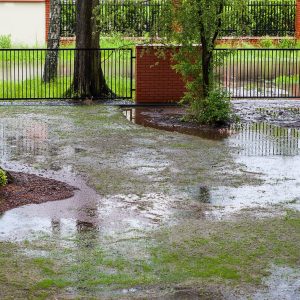
Standing or pooling water over the drainfield
-
Slow drains throughout the home
-
Persistently soggy or spongy soil
-
Sewage odors near the drainfield
-
Unusually lush or fast-growing grass over the drainfield area
These symptoms indicate reduced soil absorption and should be addressed promptly.
Step 1: Assess the Severity of Compaction
Before attempting repairs, it is important to evaluate the extent of the problem:
-
Soil testing: Compact soil is difficult to penetrate with a shovel or probe and may feel dense or hardened.
-
Drainfield mapping: Identify areas that may have experienced traffic, water pooling, or landscaping pressure.
-
Professional evaluation: If conditions are unclear or symptoms are widespread, a septic professional can perform a detailed assessment.
Understanding the scope of compaction helps determine the appropriate corrective approach.
Step 2: Correcting Drainfield Compaction
1. Eliminate Ongoing Pressure
Reducing stress on the soil allows natural recovery to begin.
-
Prevent vehicles from driving or parking over the drainfield
-
Limit foot traffic by clearly marking the drainfield area
-
Redirect surface water away from the drainfield to avoid oversaturation
2. Aerate the Soil
Soil aeration restores airflow and improves drainage.
-
Manual aeration: Use a garden fork or hand aerator to create small openings in the soil.
-
Mechanical aeration: For larger areas, mechanical aeration may be more effective but should be performed carefully to avoid damaging pipes.
Aeration increases permeability and supports healthy soil structure.
3. Improve Soil Structure with Organic Material
Adding organic matter can reduce density and improve drainage.
-
Apply compost to the soil surface and gently incorporate it into the top layer
-
Use a light mulch layer to protect soil while allowing air and moisture movement
Organic-rich soil is more resilient and less prone to future compaction.
4. Establish Appropriate Vegetation
Ground cover helps stabilize soil and prevent erosion.
-
Choose grasses or shallow-rooted plants
-
Avoid trees and shrubs with deep or aggressive root systems
Proper vegetation supports soil health without interfering with system components.
5. Manage Water Use Carefully
Excess water can worsen compaction and delay recovery.
-
Spread out water-intensive household activities
-
Repair leaks promptly
-
Improve yard drainage to direct water away from the drainfield
Balanced water use supports soil recovery and system efficiency.
When Professional Intervention Is Needed
If compaction is severe or persists despite corrective efforts, professional solutions may be required, such as:
-
High-pressure jetting to restore flow within drainfield lines
-
Removal and replacement of compacted surface soil
-
Repair or replacement of damaged drainfield components
Early professional intervention can prevent complete system failure.
Preventing Future Drainfield Compaction
Long-term prevention strategies include:
-
Clearly marking drainfield boundaries
-
Designating parking and walking areas away from the system
-
Using appropriate landscaping practices
-
Scheduling routine septic system inspections
Prevention is significantly more cost-effective than repair.
Why Drainfield Compaction Matters
Soil compaction reduces a drainfield’s ability to treat wastewater safely and efficiently. Left unaddressed, it can lead to backups, environmental contamination, and costly repairs. Maintaining healthy soil conditions protects both the septic system and the surrounding property.
With proper awareness, routine care, and timely intervention, drainfield compaction can be corrected—and avoided—ensuring long-term septic system performance.