
A drainfield plays a critical role in a septic system by filtering and dispersing wastewater safely into the soil. Although it operates out of sight, it requires regular care to function properly. Seasonal changes—such as heavy rainfall, dry conditions, and freezing temperatures—can all affect drainfield performance. Adopting seasonal maintenance practices can help prevent system failure, extend lifespan, and reduce repair costs.
Spring: Recovering from Winter Conditions
As temperatures rise and snow melts, drainfields are often exposed to excess moisture. Spring maintenance focuses on monitoring water movement and identifying any winter-related damage.
Key maintenance steps:
-
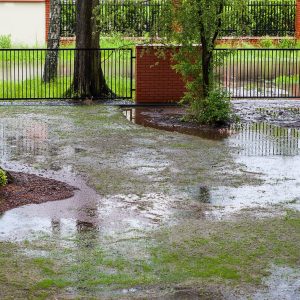
Inspect the area for standing water or persistent puddles, which may indicate poor drainage.
-
Ensure gutters and downspouts direct runoff away from the drainfield.
-
Check for soil displacement or exposed components caused by freeze–thaw cycles.
-
Avoid planting trees or deep-rooted shrubs near the drainfield.
-
Limit indoor water use while the soil remains saturated.
Spring is an ideal time to identify developing issues before they worsen.
Summer: Managing Increased Usage and Activity
Warmer months often bring higher water usage and increased outdoor activity, which can place added stress on the drainfield.
Key maintenance steps:
-
Keep vehicles, equipment, and heavy foot traffic off the drainfield to prevent soil compaction.
-
Avoid watering lawns directly over the drainfield.
-
Spread out water-intensive household activities such as laundry and dishwashing.
-
Ensure new outdoor structures or landscaping features are placed away from the drainfield area.
Reducing physical and hydraulic stress during summer helps maintain proper soil absorption.
Fall: Preparing for Cold Weather
Fall is an important season for preventive maintenance, allowing time to address issues before winter conditions limit access or repairs.
Key maintenance steps:
-
Remove fallen leaves and debris that can trap moisture and limit soil aeration.
-
Lightly aerate compacted soil using methods that do not disturb underground components.
-
Schedule septic tank pumping if it is due, reducing the risk of winter backups.
-
Inspect the system for slow drains, wet areas, or unusual odors.
Proactive fall maintenance can reduce the risk of freezing and system failure.
Winter: Protecting Against Freezing Conditions
Cold temperatures and frozen ground can interfere with wastewater flow and cause pipe damage if precautions are not taken.
Key maintenance steps:
-
Maintain a natural insulating layer over the drainfield using grass cover or mulch.
-
Avoid piling snow, firewood, or heavy materials on the drainfield.
-
Continue moderate water use to help maintain internal system warmth.
-
Watch for warning signs such as slow drains, gurgling sounds, or odors.
Addressing issues promptly during winter reduces the risk of long-term damage.
Year-Round Drainfield Care Best Practices
Regardless of season, consistent habits play a major role in drainfield health:
-
Schedule regular septic system inspections.
-
Pump the septic tank according to recommended intervals.
-
Flush only toilet paper and human waste.
-
Avoid harsh chemicals, grease, and non-biodegradable materials.
-
Conserve water and repair leaks promptly.
-
Know the exact location of the drainfield and keep it free from disturbance.
Consistency is one of the most effective ways to prevent drainfield failure.
When Professional Evaluation Is Needed
Certain warning signs should prompt immediate professional assessment:
-
Standing water or soggy soil above the drainfield
-
Persistent sewage odors
-
Slow or gurgling drains throughout the home
-
Unusually lush vegetation over drainfield areas
Early intervention often prevents minor issues from becoming major system failures.
A drainfield is a long-term investment that benefits from thoughtful, seasonal care. By adapting maintenance practices throughout the year and remaining attentive to warning signs, homeowners can significantly extend system life and avoid costly repairs.
Seasonal awareness, routine maintenance, and responsible water use together form the foundation of a healthy, reliable septic system.