
A drainfield plays a critical role in a septic system by filtering and dispersing wastewater into the soil. When it functions properly, it requires little attention. However, when problems develop, they often produce noticeable signs that should not be ignored. Identifying issues early can help prevent system failure, property damage, and costly repairs.
This guide outlines how to recognize common drainfield problems, determine likely causes, and take appropriate steps to address them.
Step 1: Recognize the Warning Signs
Drainfield problems often begin subtly and worsen over time. Common indicators include:
-
Slow drains: Multiple fixtures draining slowly can indicate system overload or restricted wastewater flow.
-
Sewage odors: Persistent odors near the drainfield or yard suggest inadequate wastewater treatment.
-
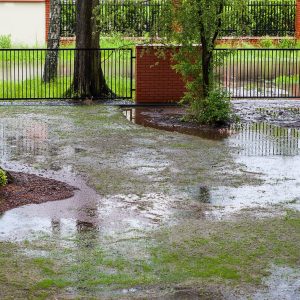
Standing water: Puddles or soggy areas near the drainfield indicate soil saturation.
-
Unusually lush vegetation: Excessively green or fast-growing grass above the drainfield may signal nutrient-rich wastewater surfacing.
-
Plumbing backups: Wastewater backing up into sinks, toilets, or tubs points to a serious system issue.
-
Gurgling sounds: Unusual noises from drains often indicate blockages or trapped air.
Early detection can significantly reduce the severity and cost of repairs.
Step 2: Identify Possible Causes
Once symptoms are observed, determining the underlying cause is essential. Common causes of drainfield problems include:
-
System clogs: Flushing non-biodegradable items such as wipes, grease, or paper products can block pipes.
-
Excessive water use: High water demand can overwhelm the drainfield and prevent proper absorption.
-
Biomat buildup: A thick organic layer can develop around drainfield pipes, reducing soil permeability.
-
Soil compaction: Vehicle traffic, construction, or landscaping over the drainfield can restrict drainage.
-
Root intrusion: Tree and shrub roots may infiltrate pipes, causing damage and blockages.
-
System age: Drainfields typically have a lifespan of 20–30 years and may degrade over time.
Understanding the cause helps guide the appropriate corrective action.
Step 3: Inspect the Drainfield Area
A surface-level inspection can reveal useful information:
-
Look for standing or pooling water above the drainfield.
-
Check for soft or spongy ground, which may indicate saturation.
-
Observe vegetation patterns for abnormal growth or discoloration.
While homeowners can perform basic observations, professional inspections provide a more accurate assessment.
Step 4: Check Indoor Plumbing Indicators
Problems within the home often reflect drainfield conditions:
-
Monitor whether drains are consistently slow.
-
Listen for gurgling sounds when water is used.
-
Watch for recurring backups in plumbing fixtures.
These symptoms often indicate system-wide flow restrictions or drainfield overload.
Step 5: Address the Identified Issue
Solutions depend on the underlying cause:
1. System Clogs
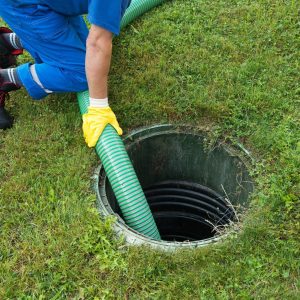
Action: Septic tank pumping removes accumulated solids. Prevent future clogs by avoiding non-septic-safe materials.
2. Excessive Water Use
Action: Reduce water demand by repairing leaks, spacing out laundry, and using water-efficient fixtures.
3. Biomat Buildup
Action: Routine pumping and soil aeration may help restore absorption capacity.
4. Soil Compaction
Action: Limit traffic over the drainfield and aerate compacted soil to improve drainage.
5. Root Intrusion
Action: Remove invasive roots and consider root barriers to prevent recurrence.
6. Aging Drainfield
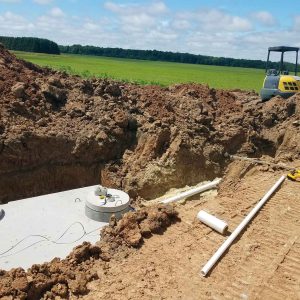
Action: If the system has reached the end of its lifespan, replacement may be necessary.
Step 6: Prevent Future Drainfield Problems
Preventive care is the most effective way to extend drainfield life:
-
Schedule septic tank pumping every three to five years.
-
Arrange annual system inspections.
-
Flush only toilet paper and human waste.
-
Limit water usage during peak periods.
-
Keep vehicles, heavy equipment, and structures off the drainfield.
-
Use shallow-rooted vegetation over the drainfield area.
Consistent maintenance helps avoid system overload and structural damage.
Drainfield problems rarely resolve on their own and often worsen if ignored. Recognizing warning signs, identifying causes, and taking timely action can prevent extensive damage and prolong system life. Regular maintenance and responsible system use remain the most effective strategies for keeping a drainfield functioning properly.