
Unpleasant smells coming from a drainfield are more than just a nuisance—they’re often a sign that something isn’t working properly within a septic system. A properly functioning drainfield should be virtually odorless. When noticeable odors appear, it usually indicates that wastewater is not being treated or dispersed as intended.
Understanding the causes of drainfield odors and addressing them early can help prevent system damage, environmental contamination, and costly repairs.
Common Causes of Drainfield Odors
Drainfield odors typically develop when wastewater treatment or soil absorption is disrupted. Common causes include:
-
Sewage backup: A full or clogged septic tank can force untreated wastewater into the drainfield.
-
Biomat buildup: Excessive growth of the organic biomat layer around drainfield pipes can trap gases instead of filtering them.
-
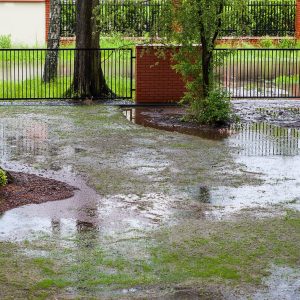
Hydraulic overload: Excessive water use can oversaturate the soil, preventing proper filtration.
-
Poor ventilation: Blocked or malfunctioning system vents can cause gases to escape near the drainfield instead of dissipating safely.
-
Leach line damage: Cracked, collapsed, or clogged pipes can leak wastewater into the surrounding soil, producing odors.
Identifying the Source of the Odor
Determining where the odor is strongest can help narrow down the underlying issue:
-
Near the septic tank: Often indicates a full tank, blocked inlet, or lid-related issue.
-
Across the drainfield area: May point to soil saturation, biomat buildup, or leach line problems.
-
Inside the home: Could signal a blocked plumbing vent or system backup.
Pinpointing the source is an important first step before taking corrective action.
How to Address Drainfield Odors
1. Septic Tank at Capacity
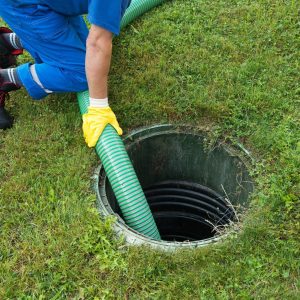
A septic tank that hasn’t been pumped on schedule can no longer separate solids effectively, allowing untreated wastewater to reach the drainfield.
Solution:
Routine septic tank pumping—typically every three to five years—removes excess solids and restores proper system function.
2. Drainfield Overload
Simultaneous water-heavy activities can overwhelm the drainfield, saturating the soil and preventing adequate filtration.
Solution:
Reduce water usage by spacing out laundry, dishwashing, and bathing. Repair leaks and consider water-efficient fixtures to lower overall system demand.
3. Excessive Biomat Growth
While biomat plays a role in wastewater treatment, excessive buildup can restrict soil absorption and trap odors.
Solution:
Consistent maintenance helps limit biomat growth. In more severe cases, professional soil aeration or targeted remediation may be required.
4. Ventilation Issues
Septic systems rely on proper venting to safely release gases. Blocked or damaged vents can redirect odors to unintended areas.
Solution:
Inspect vents for debris or obstructions. Professional assessment may be necessary if venting issues persist.
5. Leach Line Problems
Damaged or clogged leach lines can leak wastewater into the yard, producing persistent odors.
Solution:
Leach line repairs or replacement should be handled by trained professionals to ensure proper restoration and system safety.
Preventing Future Drainfield Odors
Once odors are resolved, preventive measures are key to keeping the system odor-free:
-
Maintain a regular septic tank pumping schedule
-
Avoid flushing non-biodegradable items or harsh chemicals
-
Conserve water to prevent system overload
-
Protect the drainfield from heavy traffic or soil compaction
-
Schedule routine inspections to identify early warning signs
Proactive care significantly reduces the likelihood of recurring odor issues.
Why Drainfield Odors Should Not Be Ignored
Ignoring drainfield odors can lead to more serious consequences, including:
-
Health risks: Untreated wastewater contains bacteria and pathogens
-
Environmental contamination: Leaks can pollute groundwater and nearby water sources
-
Increased repair costs: Minor issues can escalate into drainfield failure if left unaddressed
Odors are often an early warning sign—addressing them promptly can prevent long-term damage.
Drainfield odors are not a normal part of septic system operation. They indicate that something within the system requires attention. By understanding the causes, addressing problems early, and maintaining the system properly, homeowners can protect both their property and the surrounding environment.
Regular maintenance, responsible water use, and timely inspections are the most effective tools for keeping a drainfield functioning quietly—and odor-free—for years to come.