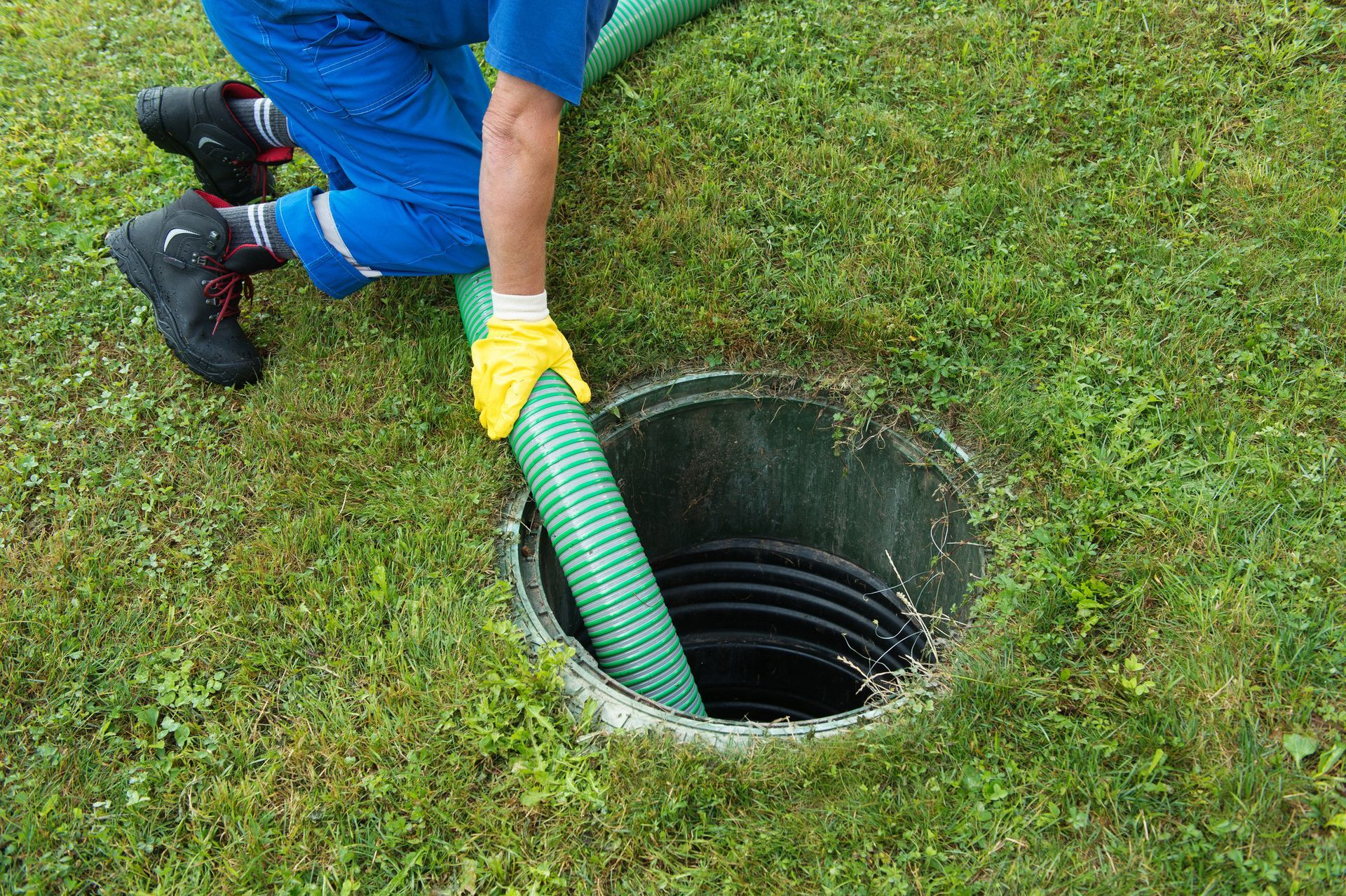
Waiting until a septic system backs up or produces foul odors can lead to costly repairs and unnecessary stress. Regular septic tank maintenance is essential for keeping residential and commercial systems operating properly. Selecting the right septic tank pumping service plays a key role in preventing long-term system damage and maintaining reliable wastewater treatment.
This guide outlines what to look for when choosing a septic tank pumping provider and how to avoid common pitfalls.
Why Selecting the Right Septic Tank Service Matters
A septic system is a critical part of a property’s infrastructure. Improper pumping or maintenance can cause blockages, leaks, drainfield damage, and environmental contamination.
A qualified and reliable septic service provider ensures that waste is removed correctly, system components are inspected properly, and issues are identified before they escalate. Choosing an inexperienced or unlicensed provider can result in incomplete pumping, equipment damage, or regulatory violations.
Signs a Septic Tank May Need Pumping
Understanding when pumping is needed can help prevent system failure. Common warning signs include:
-
Slow drainage in sinks, tubs, or toilets
-
Persistent sewage odors indoors or outdoors
-
Pooling water or wet spots near the drainfield
-
Gurgling sounds in plumbing fixtures
For most residential properties, septic tanks require pumping every three to five years, though frequency depends on tank size, water usage, and household occupancy.
Key Factors to Consider When Choosing a Septic Tank Pumping Service
1. Licensing and Certification
Septic tank pumping is regulated in many areas. A reputable provider should hold all required licenses and certifications.
-
Verify credentials before hiring
-
Confirm compliance with local or state environmental regulations
Unlicensed work may result in improper servicing or legal issues.
2. Industry Experience
Experience matters when dealing with complex wastewater systems.
-
Long-standing providers are more likely to recognize system issues early
-
Experienced technicians are better equipped to handle unusual site conditions
A proven track record often indicates consistent service quality.
3. Range of Services Offered
While pumping is essential, a provider offering additional services can deliver more comprehensive care. These may include:
-
System inspections
-
Routine maintenance
-
Minor repairs
-
Emergency service availability
Using one provider for multiple services helps ensure continuity and system familiarity.
4. Transparent Pricing
Reliable septic service providers offer clear, upfront pricing.
-
Request a detailed estimate before work begins
-
Ask about additional fees for access issues or special equipment
Transparent pricing helps avoid unexpected costs after service is completed.
5. Customer Feedback and Reviews
Customer reviews provide insight into reliability and professionalism.
-
Look for consistent feedback regarding punctuality, communication, and work quality
-
Personal referrals can also be valuable when available
Patterns in reviews are often more meaningful than isolated comments.
6. Emergency Service Availability
Septic issues can arise unexpectedly. Providers offering emergency response are better equipped to handle urgent situations such as backups or system overflows.
Timely service can reduce property damage and health risks.
7. Equipment and Disposal Practices
Professional septic pumping requires specialized equipment and proper waste disposal.
-
Confirm that modern pumping equipment is used
-
Ensure waste is disposed of according to environmental regulations
Improper disposal can lead to contamination and legal consequences.
8. Service Guarantees or Warranties
Some providers offer warranties or service guarantees.
-
These policies demonstrate accountability and confidence in workmanship
-
Ask what follow-up support is available if issues persist
Warning Signs of an Unreliable Provider
Be cautious of providers that exhibit the following:
-
Lack of verifiable reviews or references
-
Refusal to provide licensing documentation
-
Aggressive recommendations for unnecessary services
-
Vague or unclear pricing structures
These may indicate poor service quality or lack of experience.
Questions to Ask Before Hiring
Asking the right questions can help clarify expectations:
-
How long has the company been providing septic services?
-
Are technicians licensed and insured?
-
What equipment is used for pumping and inspection?
-
Are emergency services available?
-
Is pricing provided in writing before service begins?
-
Is any form of service guarantee offered?
Clear, confident answers often indicate a trustworthy provider.
Choosing a reliable septic tank pumping service is an important part of protecting a property’s wastewater system. Focusing on licensing, experience, transparency, and service quality can help prevent costly repairs and ensure long-term system performance.
Taking the time to evaluate providers before scheduling service can result in better maintenance outcomes and fewer system issues over time.