If a home relies on a septic tank and leach field, understanding the condition of that system is critical before completing a purchase. A failing septic system can lead to costly repairs, health concerns, and environmental issues that significantly reduce a property’s value.
A professional septic inspection helps identify potential problems early, allowing buyers to make informed decisions and avoid unexpected expenses after closing.
Why Septic Inspections Are Necessary
Many homes use septic systems to manage wastewater independently rather than connecting to municipal sewer systems. While septic systems can function efficiently for decades, they require proper maintenance and periodic evaluation.
Without inspection, underlying issues such as tank deterioration, drainfield failure, or improper installation may go unnoticed. These problems can result in groundwater contamination, sewage odors, property damage, or regulatory violations.
A septic inspection confirms whether the system is operating correctly and identifies any repairs or maintenance needed before ownership changes hands.
What Happens During a Septic Inspection
A septic inspection follows a structured process designed to evaluate both visible and hidden components of the system.
1. Document Review
Available records such as permits, installation details, and maintenance history are reviewed to determine the system’s age, design, and prior service activity.
2. Visual Inspection
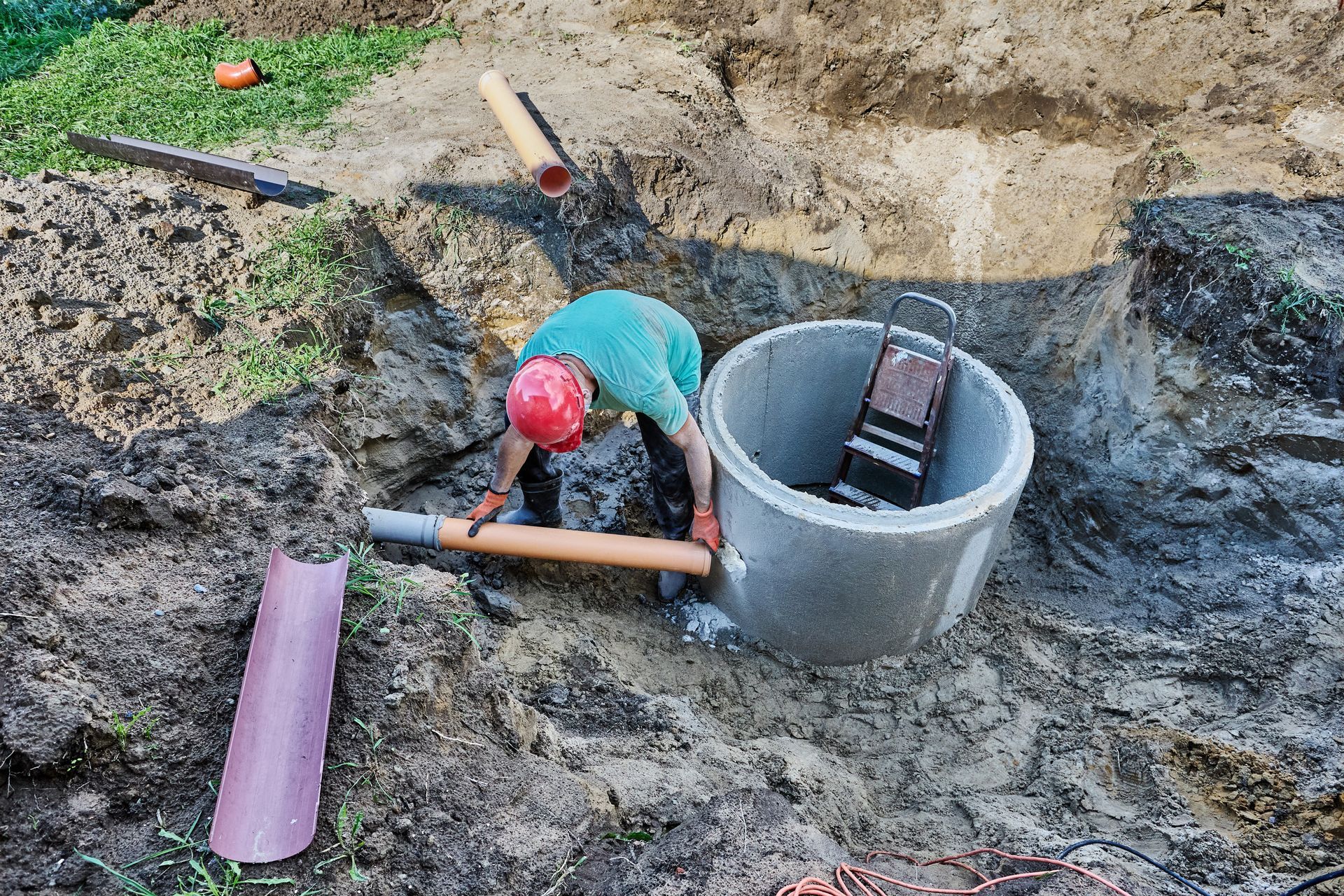
Key components—including the septic tank, leach field, piping, and connections—are examined for visible signs of damage, leakage, or surface irregularities that may indicate subsurface issues.
3. Septic Tank Evaluation
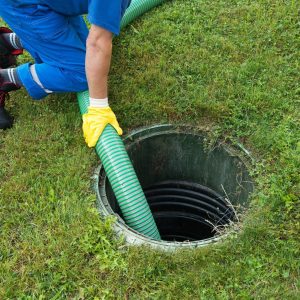
In some cases, the tank is pumped to allow inspection of internal components. This helps identify cracks, excessive sludge accumulation, damaged baffles, or signs of leakage.
4. Water Flow and Dye Testing
Water is introduced into the system to simulate normal household use. Dye testing may be performed to track wastewater movement and detect improper drainage, backups, or surface discharge.
5. Inspection Report
A detailed report outlines findings, system condition, recommended repairs (if any), and estimated remaining lifespan. Maintenance guidance is often included to support long-term performance.
How Septic Inspections Protect Real Estate Investments
A septic inspection offers more than peace of mind—it protects buyers financially and environmentally.
1. Prevents Unexpected Repair Costs
Septic repairs can range from several thousand dollars to tens of thousands, depending on severity. Identifying problems early allows buyers to budget accurately or negotiate repairs before purchase.
2. Confirms Regulatory Compliance
Health and environmental regulations govern septic systems. An inspection ensures the system meets applicable standards and reduces the risk of penalties or mandatory upgrades after purchase.
3. Supports Maintenance Planning
Even systems in good condition benefit from inspection insights. Knowing the system’s current state helps owners plan future maintenance and extend system lifespan.
4. Protects Environmental Health
Failing systems can contaminate groundwater and nearby water sources. Early detection prevents environmental damage and reduces health risks to occupants and surrounding communities.
5. Preserves Property Value
A documented, well-functioning septic system supports long-term property value and improves resale confidence for future buyers.
Choosing a Qualified Septic Inspector
The accuracy of an inspection depends heavily on the experience and qualifications of the professional performing it.
When selecting an inspector, consider the following:
-
Proper licensing and certification
-
Experience with local soil conditions and system types
-
A comprehensive inspection process that includes testing and documentation
-
Clear, detailed reporting
A thorough inspection goes beyond surface observations and evaluates the system as a whole.
Don’t Skip This Critical Step
A septic inspection may not be the most exciting part of buying a home, but it is one of the most important. Confirming the condition of a septic system protects buyers from hidden liabilities and supports informed decision-making.
By addressing potential issues before purchase, buyers reduce financial risk, ensure compliance, and secure the long-term functionality of a vital home system.