
A drainfield plays a critical role in a septic system by filtering and dispersing treated wastewater into the soil. When erosion affects this area, soil stability is compromised, water flow becomes uneven, and system performance can decline. Drainfield erosion is more than a surface issue—it can interfere with wastewater absorption and lead to long-term septic system problems.
Understanding what causes erosion, how to identify it early, and which corrective steps are effective can help protect the drainfield and extend the life of the septic system.
What Causes Drainfield Erosion?
Drainfield erosion occurs when soil is displaced by water, wind, or physical disturbance. Several factors commonly contribute:
-
Excess surface water runoff, especially during heavy or prolonged rainfall
-
Improper yard grading, which allows water to flow toward or pool over the drainfield
-
Lack of vegetation, reducing soil stability and increasing susceptibility to erosion
-
Foot traffic or construction activity over the drainfield, compacting soil and limiting absorption
When these conditions are present, soil can wash away, leaving drainfield components exposed or reducing the soil’s ability to treat wastewater effectively.
Signs of Drainfield Erosion
Early detection is essential to prevent further damage. Common indicators of erosion include:
-
Bare or thinning soil over the drainfield
-
Small channels or grooves forming on the ground surface
-
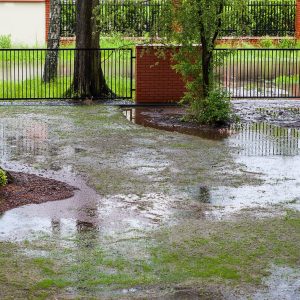
Persistent soggy or saturated areas
-
Standing water unrelated to recent rainfall
-
Uneven or abnormal vegetation growth patterns
These symptoms suggest water is not being absorbed or distributed evenly through the soil.
Steps to Address Drainfield Erosion
Stabilizing the Soil with Vegetation
Establishing proper ground cover is one of the most effective erosion control methods. Grass and shallow-rooted plants help anchor soil while allowing oxygen and water to move through the drainfield. Deep-rooted plants, shrubs, and trees should be avoided, as roots may interfere with system components.
Improving Yard Grading and Drainage
Correct grading ensures water flows away from the drainfield rather than toward it. In areas with persistent runoff, additional drainage features such as swales or subsurface drains may be necessary to redirect water and reduce soil saturation.
Installing Erosion Control Measures
In areas experiencing moderate to severe erosion, physical controls may be helpful, including:
-
Rock or stone barriers to slow water movement
-
Sediment control logs or silt fencing
-
Turf reinforcement mats or other permeable stabilization materials
These measures reduce water velocity and protect soil during heavy rain events.
Managing Water Use to Reduce Erosion Risk
Drainfield erosion is often linked to excess water entering the system. Reducing hydraulic stress helps protect both soil and system performance.
Recommended practices include:
-
Repairing leaking plumbing fixtures
-
Spacing out water-intensive activities such as laundry
-
Redirecting roof runoff away from the drainfield using gutters and downspouts
-
Limiting indoor water use during periods of heavy rainfall
Managing both household and surface water reduces oversaturation and soil displacement.
Additional Erosion Control Techniques
For sloped or high-risk areas, additional strategies may be appropriate:
-
Terracing, which breaks long slopes into smaller, stable sections
-
Bioengineering methods, such as live staking or vegetated wattles
-
Soil stabilizers, including natural or synthetic binding agents
Used together, these methods can provide layered protection against erosion.
Importance of Ongoing Monitoring
After corrective steps are taken, regular observation is essential. Periodically inspecting the drainfield for exposed soil, pooling water, or vegetation changes allows early intervention if erosion returns.
Routine septic system maintenance—including inspections and pumping—also supports drainfield stability by preventing excess solids and hydraulic overload.
Drainfield erosion can undermine septic system performance if left unaddressed. By identifying the cause, stabilizing soil, managing water flow, and maintaining the system regularly, erosion can often be controlled before it leads to system failure. Proactive care protects both the drainfield and the surrounding environment, helping ensure long-term septic system reliability.