
A clogged septic drainfield can slow wastewater movement, cause backups, and lead to surface pooling in the yard. While frustrating, drainfield clogs are a common septic system issue and often have practical solutions. Addressing the problem early can restore system performance and help prevent more serious damage.
Common Causes of Drainfield Clogging
A drainfield is designed to disperse treated wastewater into the soil, but several conditions can interfere with this process:
-
Excess solids entering the drainfield due to infrequent septic tank pumping
-
Biomat overgrowth, a naturally occurring organic layer that becomes too thick and restricts absorption
-
Tree root intrusion blocking or damaging drainfield pipes
-
Soil compaction caused by vehicles, equipment, or foot traffic
-
Hydraulic overload, when too much water enters the system too quickly
Understanding the underlying cause is essential for selecting the correct repair approach.
Warning Signs of a Clogged Drainfield
Clogged drainfields often show noticeable symptoms, including:
-
Slow-draining sinks, showers, or toilets
-
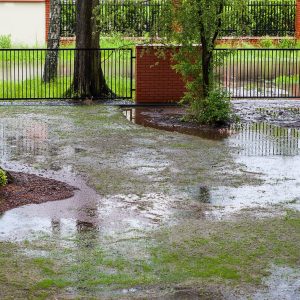
Standing water or soggy areas near the drainfield
-
Persistent sewage odors outdoors
-
Unusually lush or fast-growing grass over the drainfield
-
Wastewater backing up into plumbing fixtures
If these signs are present, prompt action can prevent further system deterioration.
Corrective Steps for Drainfield Clogs
Septic Tank Pumping
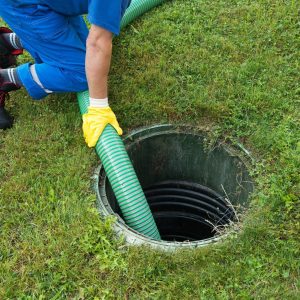
One of the first steps in addressing a clogged drainfield is evaluating the septic tank. If solids have migrated into the drainfield, the tank may be overdue for pumping. Removing accumulated sludge and scum helps prevent further clogging and reduces strain on the drainfield.
Most residential systems require pumping every three to five years, depending on usage and tank size.
Distribution Box Inspection
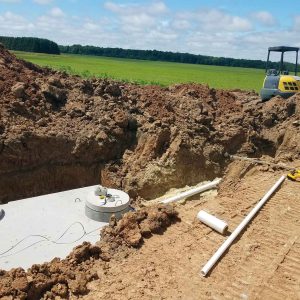
The distribution box directs wastewater evenly throughout the drainfield. If it becomes clogged, damaged, or tilted, wastewater may overload certain drainfield lines while leaving others unused. Inspecting and correcting distribution box issues can significantly improve system performance.
Clearing Drainfield Lines
When individual drainfield pipes are clogged, professional cleaning methods may be used. High-pressure water cleaning can remove debris and buildup from perforated pipes. In cases involving tree roots, mechanical cutting tools may be required to clear blockages without damaging the system.
Addressing Soil and Water Management Issues
Soil Compaction
Compacted soil restricts wastewater absorption. Soil aeration can restore permeability by loosening dense ground and improving drainage. This process creates pathways for water movement and helps restore natural filtration.
Hydraulic Overload
Excessive water use can overwhelm the drainfield and accelerate clogging. Reducing system strain includes:
-
Repairing leaking fixtures
-
Spacing out water-intensive activities
-
Installing water-efficient appliances
Managing water flow allows the drainfield adequate time to absorb and treat wastewater.
Managing Biomat Growth
Biomat buildup is part of normal system operation, but excessive growth can reduce soil absorption. Limiting garbage disposal use, avoiding non-degradable materials, and maintaining regular septic tank pumping can help slow biomat development.
Preventing Future Drainfield Clogs
Preventive care is the most effective way to protect a drainfield long term. Best practices include:
-
Avoid flushing wipes, grease, chemicals, or non-degradable items
-
Schedule regular septic tank pumping and inspections
-
Monitor water usage and practice conservation
-
Protect the drainfield area from traffic and soil compaction
Routine maintenance helps identify developing issues before they escalate into system failure.
Drainfield clogs are a common septic system issue, but they are often manageable when addressed early. By removing excess solids, restoring proper wastewater distribution, improving soil conditions, and reducing system overload, many drainfields can regain functionality without full replacement. Ongoing maintenance and responsible system use are key to preventing recurrence and extending system lifespan.