For homes not connected to a municipal sewer system, a septic system is an essential component of wastewater management. When properly designed and maintained, it safely treats household wastewater, protects the environment, and supports everyday household functions without disruption.
Understanding how a septic system works helps property owners recognize potential issues early and maintain long-term system performance.
Septic Systems 101: How They Function
A septic system is an underground, on-site wastewater treatment system. It processes water from household plumbing—such as toilets, sinks, showers, and appliances—before returning treated water to the environment.
The Basic Treatment Process
-
Wastewater Leaves the Home
Each time water is used in the home, wastewater flows through plumbing pipes into the septic tank. -
Separation Inside the Septic Tank
Once inside the tank, wastewater separates into three layers:-
Sludge: Heavy solids that settle at the bottom
-
Effluent: Partially treated liquid that remains in the middle
-
Scum: Oils, grease, and lighter materials that float to the top
-
-
Biological Breakdown
Naturally occurring bacteria inside the tank help break down organic material, reducing the volume of solids. -
Effluent Dispersal to the Drainfield
The liquid effluent flows from the tank into the drainfield, where it is slowly filtered through soil. The soil removes remaining contaminants before the water reaches groundwater.
When functioning properly, this process occurs continuously and efficiently with minimal attention from the homeowner.
Types of Septic Systems
Not all septic systems are the same. System type depends on soil conditions, property layout, and regulatory requirements.
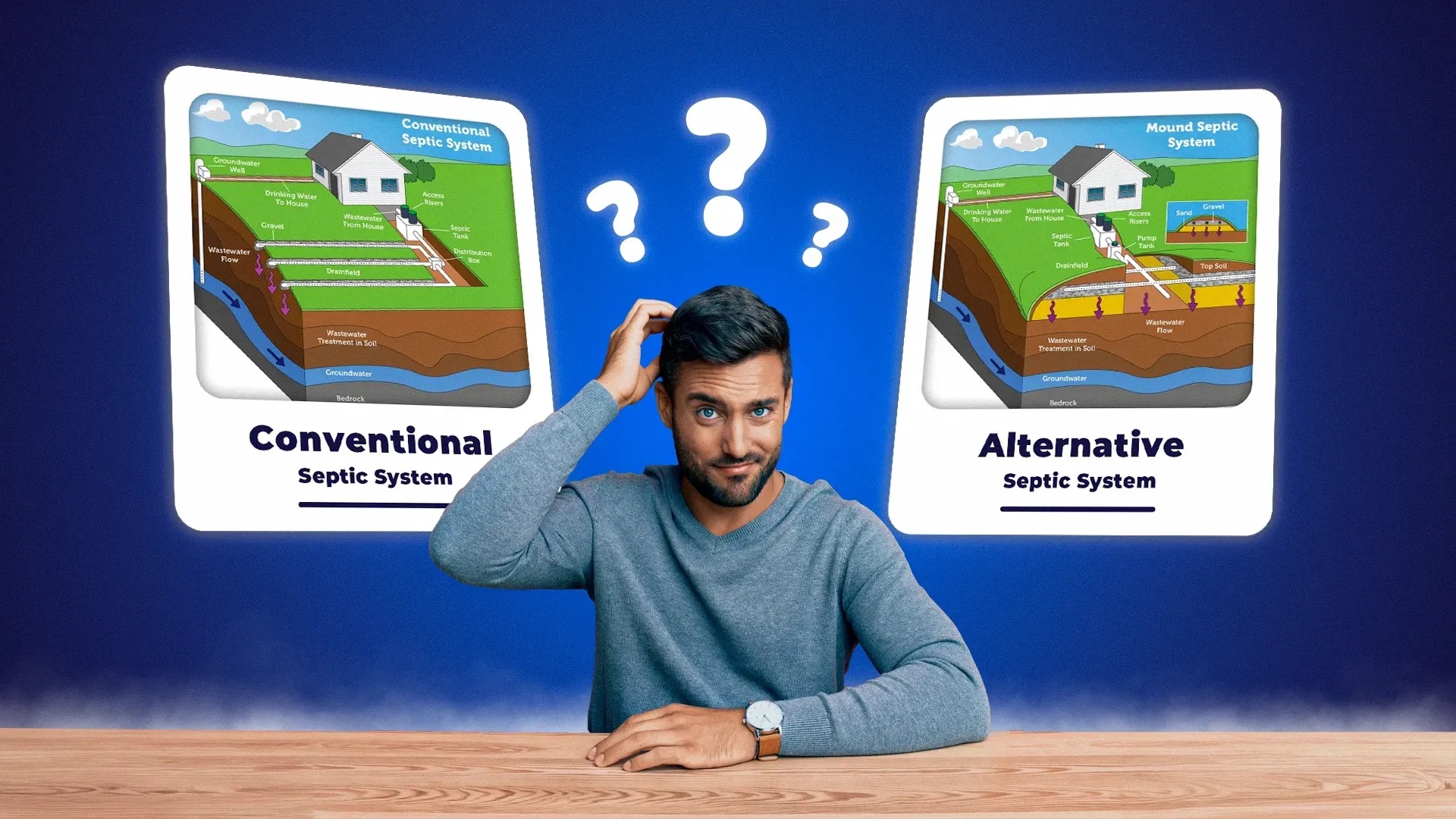
1. Conventional Septic System
A standard system consisting of a septic tank and a drainfield. It relies on naturally draining soil to filter wastewater.
2. Alternative Septic Systems
Used when site conditions do not support conventional systems. Common alternatives include:
-
Aerobic Septic Systems: Introduce oxygen to enhance waste breakdown
-
Mound Systems: Use a raised drainfield when soil depth is limited
-
Sand Filter Systems: Add an additional filtration layer before wastewater enters the soil
Each system type has specific maintenance and operational requirements.
Common Septic System Problems and Prevention
With proper care, septic systems can operate for decades. Without maintenance, problems can develop.
1. Slow Drains and Backups
Often caused by a full tank or system blockage.
Prevention:
-
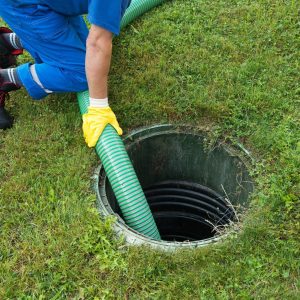
Schedule routine septic tank pumping
-
Flush only human waste and toilet paper
2. Foul Odors
Persistent odors may indicate system overload, poor ventilation, or developing failure.
Prevention:
-
Maintain proper system ventilation
-
Avoid excessive water use
-
Schedule regular inspections
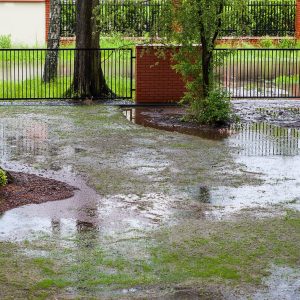
3. Standing Water in the Yard
Pooling water near the drainfield may indicate poor absorption or system saturation.
Prevention:
-
Manage household water usage
-
Keep heavy equipment and structures off the drainfield
4. Elevated Nitrates in Well Water
Failing systems can contaminate nearby wells, posing health risks.
Prevention:
-
Conduct regular system inspections
-
Address early warning signs promptly
Septic System Installation: What to Expect
Installing a septic system involves several regulated steps to ensure proper function and environmental protection:
-
Site Evaluation: Soil conditions, water table, and property layout are assessed
-
Permit Approval: Installation requires authorization from local health authorities
-
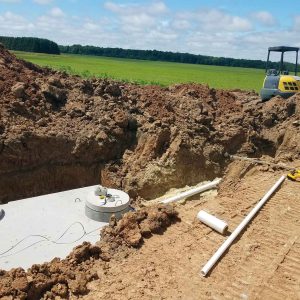
Excavation and Installation: The tank and drainfield are installed according to approved plans
-
Final Inspection: The system is reviewed to confirm compliance and performance
System type and site conditions significantly influence installation cost and complexity.
Septic System Maintenance Best Practices
Routine care is essential for long-term performance.
-
Regular Pumping: Typically every 3–5 years, depending on usage
-
Water Conservation: Spread out water use and repair leaks promptly
-
Proper Waste Disposal: Avoid grease, wipes, chemicals, and non-biodegradable materials
-
Periodic Inspections: Professional inspections help identify issues early
A septic system is a critical infrastructure component for properties without sewer access. Understanding how it works, recognizing warning signs, and following proper maintenance practices can significantly extend system life and reduce the risk of failure. With responsible use and regular care, septic systems can provide reliable wastewater treatment for decades.