Maintaining a septic system is a critical responsibility for property owners. Proper care helps protect property value, prevents health hazards, and reduces the risk of costly system failures. A common question many owners face is whether septic system maintenance can be handled independently or if professional service is necessary.
This guide explains how septic systems function, what routine maintenance involves, and the practical differences between do-it-yourself septic care and professional septic services.
How a Septic System Works
A septic system is designed to treat and dispose of wastewater generated from household activities.
-
Septic Tank: Wastewater flows into the tank, where solids settle to the bottom as sludge, oils and fats float to the top as scum, and partially treated liquid (effluent) remains in the middle.
-
Drainfield (Leach Field): Effluent exits the tank and is dispersed into the drainfield, where soil naturally filters contaminants before the water returns to the environment.
When maintained properly, a septic system operates quietly and efficiently. When neglected or improperly serviced, problems can develop quickly.
What Septic System Maintenance Involves
Septic system maintenance extends beyond periodic tank pumping. Key components include:
-
Routine system inspections
-
Septic tank pumping at recommended intervals (typically every three to five years)
-
Monitoring for leaks, backups, or drainfield saturation
-
Responsible waste disposal and water usage
-
Compliance with environmental and health regulations
Some supportive practices can be handled by property owners, while others require specialized training and equipment.
DIY Septic Maintenance: Capabilities and Limitations
Many property owners consider DIY septic maintenance to reduce costs. While certain habits are safe and effective, others carry significant risks.
Potential Advantages of DIY Practices
-
Reduced costs for basic preventative habits
-
Immediate control over water usage and household practices
-
Increased awareness of system performance
Risks and Limitations of DIY Septic Work
-
Health Risks: Septic systems contain harmful bacteria and toxic gases that require protective equipment and training
-
Incomplete Evaluation: Sludge levels, structural damage, or drainfield issues may go unnoticed
-
System Damage: Improper handling can damage baffles, pipes, or tank components
-
Regulatory Concerns: Many inspections, pump-outs, and repairs must be performed by licensed professionals
DIY efforts are best limited to preventative behaviors rather than physical system access or repairs.
Professional Septic Maintenance: Benefits and Value
Professional septic services provide a level of safety, accuracy, and reliability that DIY methods cannot match.
Key Benefits of Professional Service
-
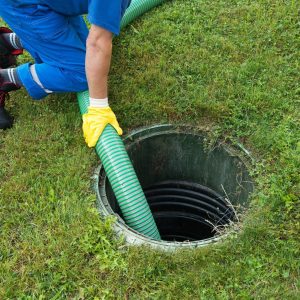
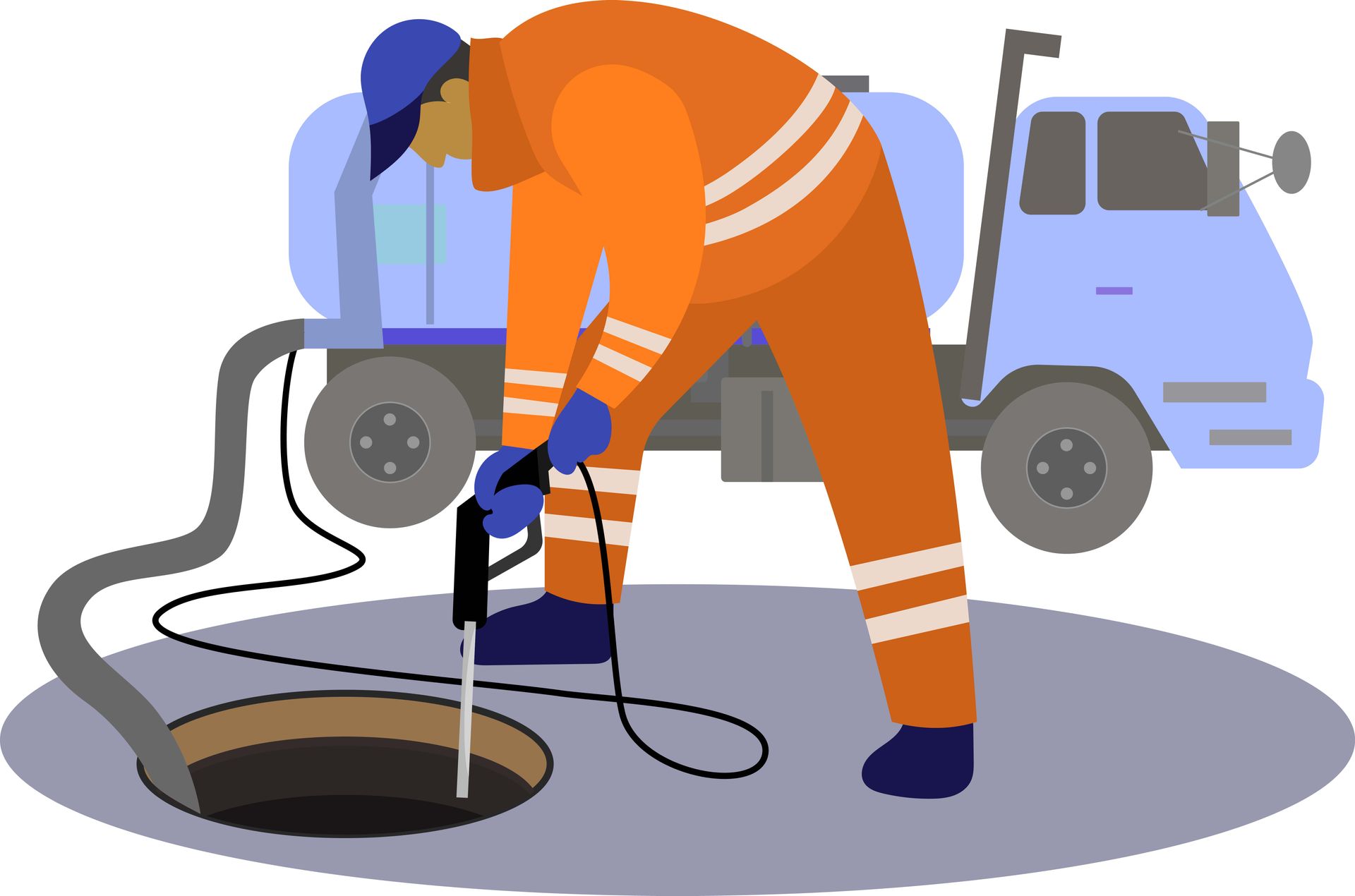
Specialized Equipment: Septic pumping and inspections require commercial-grade tools and safety gear
-
Comprehensive Inspections: Professionals evaluate tank integrity, sludge and scum levels, baffles, filters, and drainfield performance
-
Regulatory Compliance: Licensed providers ensure maintenance meets applicable health and environmental standards
-
Accurate Diagnosis: Early detection of issues helps prevent system failure and costly repairs
-
Reduced Long-Term Costs: Routine professional care extends system lifespan and reduces the likelihood of major replacements
Cost Considerations: Short-Term vs. Long-Term
While DIY practices may appear less expensive in the short term, improper maintenance often results in higher long-term costs. Septic system failures, drainfield replacements, and environmental remediation can be significantly more expensive than routine professional service.
Preventative maintenance should be viewed as a long-term investment rather than an avoidable expense.
Situations That Require Professional Intervention
Certain conditions should always be handled by qualified septic professionals, including:
-
Persistent foul odors
-
Slow drains throughout the property
-
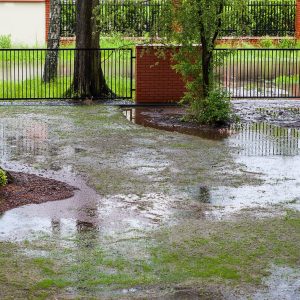
Standing water or saturated soil near the drainfield
-
Sewage backups in plumbing fixtures
-
Routine septic tank pumping and inspections
-
Property transfers requiring system evaluation
Attempting to address these issues without professional assistance can worsen damage and increase costs.
Safe Septic Practices Property Owners Can Do
Property owners can support system health between service visits by:
-
Conserving water and spreading usage over time
-
Using septic-safe paper products and biodegradable cleaners
-
Keeping accurate maintenance records
-
Protecting the drainfield from heavy traffic and deep-rooted vegetation
-
Scheduling inspections and pump-outs at recommended intervals
Septic Tasks That Should Not Be DIY
The following activities should not be performed without professional training and equipment:
-
Septic tank pumping
-
Inspecting internal tank components
-
Measuring sludge and scum levels
-
Digging into or modifying the drainfield
-
Applying chemical or shock treatments
-
Installing or replacing system components
These tasks carry safety risks and often require permits or certifications.
Septic system maintenance involves both responsible daily habits and specialized professional care. While property owners can support system health through proper use and conservation, physical system access, inspections, and repairs should be handled by trained professionals.
Relying on qualified septic service providers reduces risk, ensures regulatory compliance, and helps protect property value, environmental health, and long-term system performance.