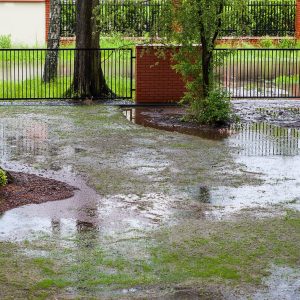

When a drainfield begins to surface—appearing as puddles, soggy ground, or wet patches that do not dry—it is a clear sign that the system is not dispersing wastewater properly. Drainfield surfacing often indicates an underlying issue that should be addressed promptly to prevent system failure or environmental contamination.
The good news is that, in many cases, effective corrective measures are available.
Why Drainfield Surfacing Occurs
Drainfield surfacing happens when wastewater cannot absorb into the surrounding soil as intended. Common contributing factors include:
-
Excess solids in the septic tank migrating into the drainfield due to infrequent pumping
-
Compacted soil caused by vehicle traffic, equipment, or construction activity
-
Biomat buildup, a dense organic layer that restricts soil absorption
-
Clogged distribution pipes preventing even wastewater dispersal
-
Hydraulic overload, when water usage exceeds system capacity
Identifying the root cause is essential for selecting the appropriate solution.
Start With Septic Tank Pumping and Routine Maintenance
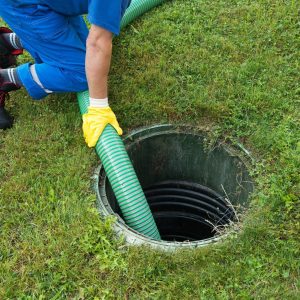
One of the first steps when drainfield surfacing is observed is to evaluate the condition of the septic tank. If pumping has not occurred recently, the tank may be full, allowing solids to enter the drainfield and clog soil pores.
Routine septic tank pumping—typically every three to five years—removes accumulated solids and helps prevent drainfield damage. Regular inspections also allow developing issues to be addressed early, reducing the likelihood of more extensive repairs.
Clearing Clogged Pipes With High-Pressure Cleaning
Clogged pipes can restrict wastewater flow and contribute to surface pooling. In these cases, professional pipe cleaning using high-pressure water may restore proper flow by removing debris, grease buildup, or root intrusion.
This process is effective but should be performed by trained technicians using appropriate equipment to avoid pipe or system damage.
Check and Level the Distribution Box
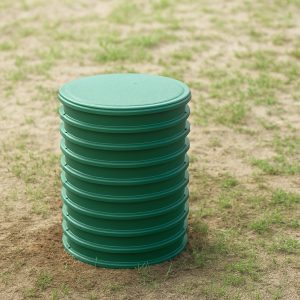
The distribution box controls how wastewater is delivered to the drainfield lines. If the box is tilted, damaged, or blocked, some sections of the field may receive excessive flow while others receive little or none.
Ensuring the distribution box is level and unobstructed allows wastewater to disperse evenly, reducing localized oversaturation and helping prevent surfacing.
Address Soil Compaction
Compacted soil significantly reduces the drainfield’s ability to absorb wastewater. Common causes include parked vehicles, heavy equipment, or repeated foot traffic over the drainfield area.
Soil aeration techniques can loosen compacted ground and improve drainage. In more severe cases, specialized soil restoration methods may be used to create long-lasting drainage channels and restore soil permeability.
Reduce Water Usage to Prevent Overloading
Excessive water entering the system can overwhelm the drainfield, especially during peak usage periods. Reducing household water demand helps give the drainfield time to absorb and treat wastewater properly.
Helpful strategies include:
-
Repairing leaks promptly
-
Spacing out water-intensive activities
-
Installing water-efficient fixtures
Drainfield Rejuvenation Techniques
In some cases, the drainfield itself can be rehabilitated rather than replaced. Drainfield rejuvenation may involve:
-
Enzyme treatments to reduce biomat buildup
-
Cleaning distribution lines
-
Improving soil structure and permeability
These methods aim to restore the drainfield’s natural treatment capacity and extend its service life.
Drainfield Rotation or Rerouting
For systems that experience recurring overload, installing alternating drainfield sections may be an effective long-term solution. Diversion valves allow one field area to rest while another is in use, improving overall performance.
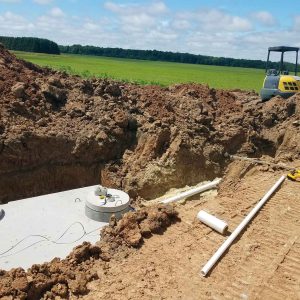
In cases of extensive damage or unsuitable soil conditions, partial or full drainfield relocation may be required. While more involved, this approach can provide a durable, long-term resolution.
Preventing Future Drainfield Surfacing
Once surfacing issues are corrected, preventive care is essential to avoid recurrence. Best practices include:
-
Regular septic tank pumping and inspections
-
Proper waste disposal (no grease, wipes, or harsh chemicals)
-
Limiting heavy traffic over the drainfield
-
Maintaining grass cover to reduce erosion and support soil filtration
-
Periodic use of approved treatments to manage biomat buildup
Drainfield surfacing is a clear indicator that a septic system requires attention. By addressing underlying causes such as excess solids, soil compaction, hydraulic overload, or uneven distribution, many systems can be restored without full replacement. Prompt action, routine maintenance, and responsible system use are key to protecting drainfield performance and extending system lifespan.