
Tree and shrub roots are essential for plant health, but they can pose serious risks to a drainfield (also known as a leach field). Roots naturally seek out water and nutrients, making drainfields an attractive target. If roots infiltrate drainfield pipes, they can cause clogs, structural damage, and system failure.
Understanding why root intrusion occurs and how to prevent it can help protect the long-term performance of a septic system.Why Roots Are Attracted to Drainfields
Drainfields contain moisture and organic material that naturally draw plant roots. As wastewater disperses through underground pipes and surrounding soil, it creates a consistent source of water and nutrients. Roots can detect these conditions and grow toward them, even from significant distances.
Once roots reach drainfield components, they can:
- Block wastewater flow
- Crack or crush pipes as they expand
- Reduce soil absorption capacity
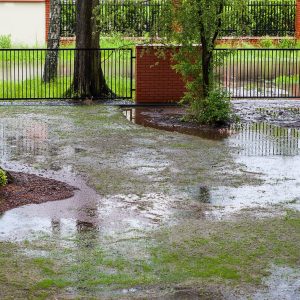
- Cause system backups or surface pooling
Preventing root intrusion is far more effective than repairing damage after it occurs.
How to Prevent Root Intrusion in a Drainfield
1. Identify the Drainfield Location
Root prevention starts with knowing exactly where the drainfield is located.
- Review septic system records or site plans
- Consult a professional if the layout is unclear
- Clearly mark the drainfield area to avoid planting or excavation
Accurate identification helps prevent accidental planting in high-risk areas.
2. Select Appropriate Vegetation
Plant choice plays a major role in drainfield protection.
- Recommended: Shallow-rooted grasses, ground covers, and native wildflowers
- Avoid: Trees and shrubs with deep or aggressive root systems
A general guideline is to plant trees at least as far from the drainfield as their expected mature height.
3. Install Root Barriers
Root barriers can help protect drainfield pipes when trees are already nearby.
- Physical barriers redirect roots away from sensitive areas
- Chemical barriers inhibit root growth in protected zones
- Barriers can be installed during landscaping or as a retrofit
Root barriers are most effective when professionally installed and properly maintained.
4. Manage Water Distribution
Watering practices can influence root growth direction.
- Avoid irrigation over or near the drainfield
- Direct watering toward other areas of the yard
- Prevent pooling or oversaturation around septic components
Roots follow moisture, so controlling water placement helps reduce risk.
5. Maintain the Septic System Regularly
Routine maintenance helps reduce conditions that attract roots.
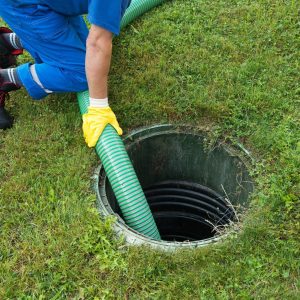
- Pump the septic tank on a regular schedule
- Schedule periodic system inspections
- Address drainage issues promptly
A well-maintained system reduces excess moisture and organic buildup in the drainfield.
6. Use Root Control Products Carefully
If early root intrusion is suspected, some treatments may help slow growth.
- Foaming root control products coat pipe interiors
- Certain root inhibitors can be effective when used correctly
Products should always be used according to instructions and sparingly to avoid unintended system or soil impacts.
7. Seek Professional Assistance When Needed
Advanced root intrusion often requires professional intervention.
- Persistent clogs or backups
- Repeated slow drainage
- Visible damage to drainfield pipes
Professionals can assess root damage, clear affected lines, and recommend long-term protection strategies.
Practices to Avoid
To reduce the risk of root intrusion, avoid the following:
- Planting trees or shrubs near the drainfield
- Digging, trenching, or installing structures over the drainfield
- Ignoring early warning signs such as odors, soggy soil, or slow drains
Early action can prevent minor issues from becoming major system failures.
Why Root Intrusion Prevention Matters
Unchecked root growth can compromise the entire septic system by:
- Damaging pipes and surrounding soil
- Reducing wastewater treatment effectiveness
- Leading to costly repairs or full drainfield replacement
- Increasing the risk of backups and surface discharge
Preventive measures help extend system lifespan and maintain safe wastewater treatment.
Long-Term Drainfield Protection
A drainfield is designed to function quietly and efficiently for decades when properly protected. Smart landscaping choices, controlled watering, routine maintenance, and early intervention are key to keeping roots out and wastewater flowing as intended.
With consistent care and informed planning, root intrusion can be prevented, helping ensure reliable septic system performance over the long term.