
A waterlogged drainfield occurs when the soil becomes oversaturated and can no longer properly absorb and filter wastewater. When this happens, the drainfield’s ability to function is compromised, increasing the risk of backups, surface pooling, and long-term system damage.
Understanding the causes, early warning signs, and effective solutions can help restore proper drainage and prevent future issues.
Why Drainfields Become Waterlogged
Drainfields rely on unsaturated soil to disperse and treat wastewater. When excess moisture is present, absorption slows or stops entirely. Common causes include:
-
Excessive household water use that overwhelms the system
-
Poor surface drainage, including heavy rainfall, high water tables, or improper yard grading
-
Clogs or blockages caused by solids, grease, or debris restricting flow
-
Biomat buildup, a naturally occurring organic layer that can become too thick and limit soil permeability
When one or more of these conditions are present, wastewater may surface instead of being absorbed.
Signs of a Waterlogged Drainfield
A struggling drainfield often shows visible and functional warning signs, including:
-
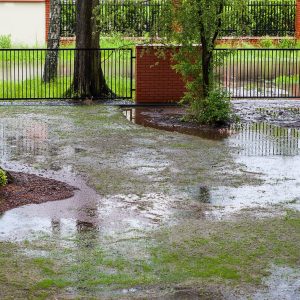
Standing water or persistent soggy areas above the drainfield
-
Slow drainage in sinks, showers, or toilets throughout the home
-
Sewage or wastewater odors near the drainfield or indoors
-
Soil that feels soft or spongy underfoot
-
Unusually lush or fast-growing vegetation over the drainfield area
Early recognition of these symptoms can help prevent more serious system failure.
Solutions for a Waterlogged Drainfield
1. Reduce Water Usage
Lowering the amount of water entering the system allows the drainfield time to dry and recover.
-
Space out water-intensive activities
-
Repair leaking faucets or running toilets
-
Install water-efficient fixtures and appliances
2. Redirect Surface Water
Preventing rainwater and runoff from entering the drainfield area is critical.
-
Extend gutter downspouts away from the drainfield
-
Improve yard grading so water flows away from the system
-
Install drainage features such as swales or French drains where necessary
3. Aerate Compacted Soil
Compacted soil restricts water movement and slows absorption.
-
Light manual aeration may help in mild cases
-
Severe compaction may require professional soil aeration techniques
Improving soil permeability can restore proper drainage function.
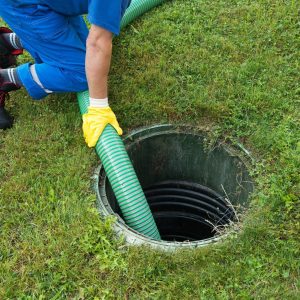
4. Pump the Septic Tank
An overfilled septic tank can force solids into the drainfield, contributing to waterlogging.
-
Most systems require pumping every 3–5 years
-
High-use households may need more frequent service
Removing accumulated solids reduces stress on the drainfield.
5. Repair or Replace Leach Lines
Damaged or clogged drainfield pipes prevent even wastewater distribution.
-
Minor issues may be corrected with targeted repairs
-
Extensive damage may require partial or full leach line replacement
Professional assessment is necessary to determine the appropriate solution.
6. Address Excessive Biomat Buildup
While biomat is a normal part of the treatment process, excessive buildup can block absorption.
-
Routine septic tank maintenance helps limit biomat growth
-
In advanced cases, drainfield restoration techniques may be required
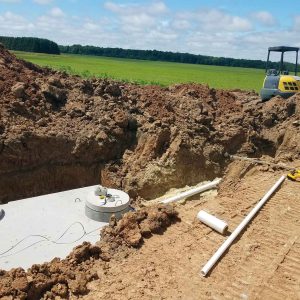
7. Consider Drainfield Replacement
If the drainfield is old or no longer capable of absorbing wastewater effectively, replacement may be the most reliable long-term solution.
-
A professional evaluation can determine remaining service life
-
Updated designs may improve performance based on soil conditions
Preventing Future Drainfield Waterlogging
Ongoing care can significantly reduce the risk of recurrence:
-
Follow a regular septic maintenance schedule
-
Practice consistent water conservation
-
Keep vehicles and heavy equipment off the drainfield
-
Avoid planting trees or deep-rooted plants near system components
Preventive measures are often far less costly than corrective repairs.
A waterlogged drainfield is a sign that the septic system is under stress and requires attention. By identifying the underlying cause and applying the appropriate solution—whether water management, soil improvement, maintenance, or repair—system performance can often be restored.
Consistent monitoring and routine maintenance remain the most effective ways to protect drainfield function and extend the life of the entire septic system.