
A properly functioning septic system is essential for treating household wastewater, and one of its most critical components is the drainfield, also known as a leach field. The drainfield handles the final stage of wastewater treatment, allowing effluent to be filtered naturally through the soil before safely returning to the groundwater.
Like any major home system, a drainfield has a limited lifespan. Understanding how long drainfields typically last—and what affects their longevity—can help homeowners avoid costly repairs, unexpected failures, and premature replacement.
How Long Does a Drainfield Last?
On average, a septic drainfield lasts 20 to 30 years. Some systems exceed this range with excellent care, while others fail much sooner due to poor maintenance, improper installation, or unfavorable site conditions.
Several factors determine how long a drainfield will last, including soil type, water usage habits, system design, and environmental conditions. Knowing what influences drainfield performance allows homeowners to take proactive steps that can significantly extend system life.
Key Factors That Affect Drainfield Longevity
1. Soil Composition
Soil type plays a major role in drainfield performance and lifespan.
-
Loamy and sandy soils are ideal because they allow wastewater to percolate at a controlled rate, providing effective filtration and long-term system stability.
-
Clay-heavy soils, however, drain poorly and are more prone to compaction and saturation. This restricts wastewater absorption and increases the risk of early failure.
In areas with unsuitable soil, alternative septic systems—such as mound systems or aerobic treatment units (ATUs)—may be necessary to ensure proper wastewater treatment.
2. Water Usage
Excessive water use is one of the fastest ways to shorten the life of a drainfield. When too much wastewater enters the system, the soil becomes oversaturated and can no longer properly filter effluent.
To reduce strain on your drainfield:
-
Install water-efficient fixtures and appliances
-
Fix leaks promptly
-
Spread out laundry and other water-heavy activities
Water conservation directly protects the drainfield by giving soil time to absorb and treat wastewater effectively.
3. Regular Maintenance
Routine septic maintenance is critical for drainfield longevity.
-
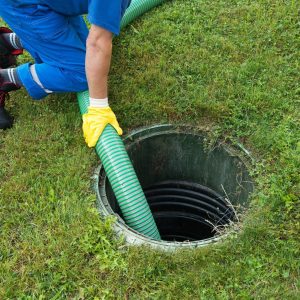
Septic tank pumping every 3–5 years prevents solids from escaping the tank and clogging the drainfield.
-
Regular inspections allow professionals to identify early warning signs such as soil compaction, slow drainage, or surface pooling.
Neglecting maintenance allows solids to accumulate and migrate into the drainfield, often leading to irreversible damage.
4. System Design and Installation
The quality of the original system design and installation has a lasting impact on drainfield lifespan.
A properly designed drainfield:
-
Matches household water usage
-
Accounts for soil type and site conditions
-
Includes adequate distribution and drainage
Poor design or improper installation—such as placing a drainfield in unsuitable soil or ignoring slope and drainage requirements—can cause premature failure regardless of maintenance efforts.
5. Environmental Conditions
Weather and environmental factors also influence drainfield performance.
-
Heavy rainfall can oversaturate soil and prevent proper absorption
-
Drought conditions can cause soil compaction, reducing permeability
-
Freezing temperatures may block wastewater flow or damage shallow components
Homeowners can protect their drainfield by improving surface drainage, insulating during winter, and adjusting water use during extreme weather.
Signs Your Drainfield May Be Nearing Failure
Recognizing early warning signs can help prevent total system failure. Common indicators include:
1. Slow Drains
Sinks, showers, and toilets draining slowly often indicate soil saturation or blockage.
2. Foul Odors
Persistent sewage smells near the drainfield or septic tank suggest wastewater is not being treated properly.
3. Pooling Water
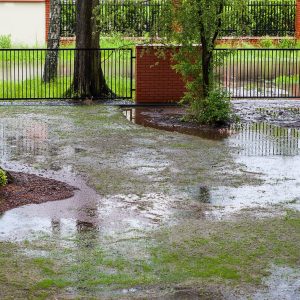
Standing water or soggy ground above the drainfield signals poor absorption and system stress.
4. Excessively Green Grass
Unusually lush patches of grass may indicate surfacing effluent acting as fertilizer.
5. Frequent Backups
Recurring sewage backups inside the home often point to a failing drainfield.
Drainfield Repair vs. Replacement
Not all drainfield problems require full replacement.
Repair May Be Possible If:
-
Pipes are partially clogged
-
Soil compaction is mild
-
Issues are caught early
Techniques such as hydro-jetting or bio-remediation may restore functionality.
Replacement Is Likely Needed If:
-
The drainfield is fully saturated
-
Soil structure is permanently compromised
-
The system has reached the end of its lifespan
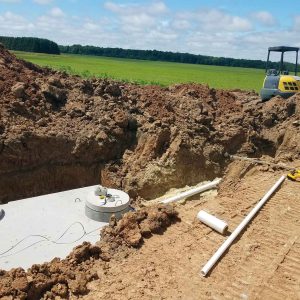
In these cases, installing a new drainfield or upgrading to an alternative septic system may be the most reliable long-term solution.
How to Extend the Life of Your Drainfield
Homeowners can significantly increase drainfield lifespan by following these best practices:
-
Pump the septic tank regularly (every 3–5 years)
-
Conserve water and avoid system overload
-
Keep vehicles and heavy equipment off the drainfield
-
Flush only septic-safe materials
-
Monitor for early warning signs and act quickly
A septic drainfield can last decades when properly designed, maintained, and protected. While most systems last between 20 and 30 years, proactive care can extend that lifespan and help homeowners avoid expensive repairs or replacements.
At Drainfield Solutions, we understand how critical a healthy septic system is for your home and the surrounding environment. Since 2005, our team has provided expert septic pumping, inspections, maintenance, and drainfield services throughout Central Virginia.
If you live in Essex County, Richmond County, King & Queen County, King William County, or Culpeper County, and have questions about your septic system or need service, call 804-633-1808 or visit our contact page to schedule an appointment today.
A well-maintained drainfield protects your home, your investment, and your peace of mind—let us help you keep it that way.