
Installing a septic tank is a major decision for any property that relies on an on-site wastewater system. Whether you are building a new home or replacing an existing system, proper planning and installation are essential to long-term performance, safety, and environmental protection.
This guide outlines the key factors homeowners should understand before installing a septic tank, helping avoid future problems and ensuring the system operates efficiently for years to come.
Understanding Septic Tank Basics
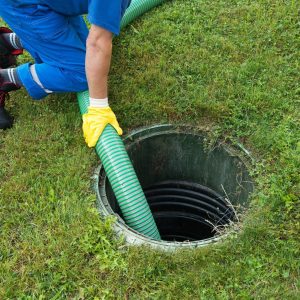
A septic tank is a core component of a septic system, designed to treat household wastewater by separating solids from liquids. Wastewater flows into the tank, where heavier solids settle to the bottom as sludge and lighter materials float to the top as scum. The liquid effluent then moves into the drainfield for further treatment through the soil.
For the system to function properly, the tank must be appropriately sized, correctly installed, and maintained regularly. Without proper care, solids can accumulate and lead to clogs, backups, or drainfield damage.
Choosing the Right Location
Location is one of the most important aspects of septic system installation. The tank and drainfield must be placed where they can function effectively while remaining accessible for future maintenance.
Key considerations include:
-
Adequate distance from wells, streams, and other water sources
-
Proper separation from buildings and property lines
-
Avoidance of areas with heavy vehicle traffic
-
Protection from potential root intrusion
A poorly chosen location can increase the risk of contamination, system damage, or costly repairs.
Why Soil Conditions Matter
Soil plays a critical role in wastewater treatment. Before installation, a soil evaluation and percolation test are typically performed to determine how well the soil absorbs and filters water.
-
Well-draining soils allow effluent to disperse efficiently
-
Slow-draining or compacted soils may require alternative system designs
If soil conditions are unsuitable for a conventional system, options such as mound systems or pressure distribution systems may be required.
Permits and Regulatory Requirements
Septic system installation is regulated to protect public health and the environment. Local authorities typically require permits, site evaluations, and inspections before approval.
Regulations may specify:
-
Minimum setback distances
-
Approved system types
-
Tank and drainfield sizing requirements
-
Inspection and testing procedures
Compliance ensures the system is safe, legal, and eligible for future property transactions.
Sizing the System Correctly
Septic tank and drainfield sizing must match household demand. Factors that influence sizing include:
-
Number of occupants
-
Number of bathrooms and fixtures
-
Daily water usage patterns
-
Potential future expansion
An undersized system may overload quickly, while an oversized system can add unnecessary cost. Proper sizing balances efficiency, longevity, and practicality.
Budgeting for Installation and Maintenance
Septic system installation is an investment, and costs vary depending on design, site conditions, and system complexity. In addition to installation, homeowners should plan for ongoing maintenance, including inspections and periodic pumping.
Regular maintenance reduces the risk of system failure and helps avoid emergency repairs, which are often far more expensive than preventive care.
Why Professional Installation Is Essential
Septic systems are complex and must meet strict technical and regulatory standards. Professional installation ensures:
-
Accurate site assessment
-
Proper system design
-
Code compliance
-
Safe and effective construction
Experienced installers are also better equipped to address challenges such as difficult terrain or variable soil conditions.
Long-Term Maintenance and Care
A septic system requires ongoing attention to remain reliable. Best practices include:
-
Routine septic tank pumping
-
Periodic inspections
-
Monitoring water usage
-
Avoiding non-biodegradable or harmful materials
Neglecting maintenance can lead to backups, odors, drainfield saturation, and system failure.
Environmental Considerations
When properly installed and maintained, septic systems treat wastewater naturally and protect groundwater. Poor installation or neglect, however, can result in contamination and environmental harm.
Using septic-safe household products, conserving water, and addressing issues promptly all contribute to environmental protection and system longevity.
Common Challenges and Early Warning Signs
Even well-installed systems can experience problems. Early signs of trouble may include:
-
Slow drains
-
Unpleasant odors
-
Standing water near the drainfield
-
Unusually lush vegetation over system components
Recognizing and addressing these signs early can prevent more serious damage.
Planning for the Future
Septic technology and regulations evolve over time. Staying informed about improvements in system design, materials, and maintenance practices allows homeowners to plan upgrades that improve efficiency and compliance.
Installing a septic tank is a long-term commitment that requires thoughtful planning, professional expertise, and regular care. By considering soil conditions, system sizing, regulations, and maintenance needs, homeowners can ensure reliable wastewater treatment and avoid unnecessary complications.
A well-designed and well-maintained septic system provides dependable service, protects the environment, and supports the long-term value of the property.