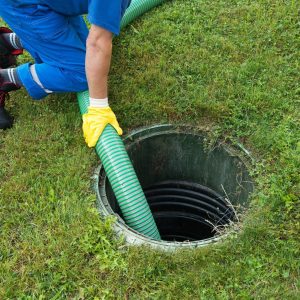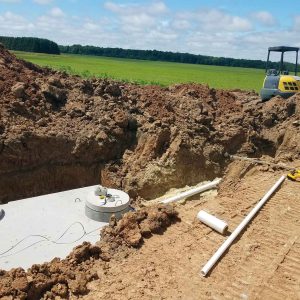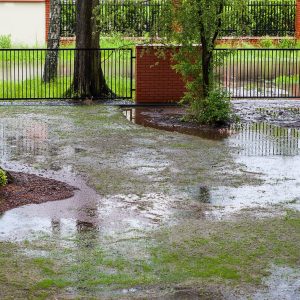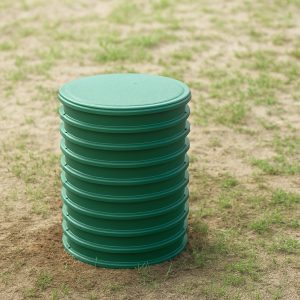

Drainfield problems often begin with subtle warning signs that escalate quickly if ignored. Soft, soggy soil, unpleasant odors, or slow drains are not just inconveniences—they may indicate underlying system failure. Understanding the most common causes of drainfield failure can help homeowners take preventive action and avoid costly repairs.
Below are the primary reasons drainfields fail and practical steps to reduce the risk.
1. Clogged Pipes and Sludge Buildup
Cause:
Over time, solids, grease, and sludge can accumulate and restrict wastewater flow from the septic tank into the drainfield. When solids migrate beyond the tank, they clog pipes and soil, preventing proper filtration.
Warning Signs:
-
Slow drains throughout the home
-
Gurgling sounds in plumbing
-
Sewage backups
-
Soggy soil or unusually green patches above the drainfield
Prevention and Solutions:
-
Pump the septic tank every 3–5 years
-
Avoid chemical drain cleaners that disrupt biological processes
-
Use professional pipe cleaning methods if blockages occur
-
Replace damaged pipes when necessary
2. Hydraulic Overload from Excessive Water Use
Cause:
Excessive water entering the system overwhelms the drainfield before wastewater has time to be treated. This often occurs when multiple water-intensive activities happen simultaneously.
Warning Signs:
-
Pooling water in the yard
-
Slow drainage after heavy water use
-
Septic alarms activating
Prevention and Solutions:
-
Spread laundry and dishwashing over multiple days
-
Install water-efficient fixtures
-
Repair leaks promptly
-
Consider system upgrades for larger households
3. Root Intrusion into Drainfield Pipes
Cause:
Tree and shrub roots seek moisture and can infiltrate drainfield pipes, causing blockages, crushed lines, and system failure.
Warning Signs:
-
Persistent wet areas in the yard
-
Uneven ground above drainfield lines
-
Vegetation growing more aggressively near the system
Prevention and Solutions:
-
Keep trees and shrubs away from drainfield areas
-
Use professional inspection tools to confirm intrusion
-
Remove invasive roots and install barriers when needed
4. Vehicle Traffic and Soil Compaction
Cause:
Driving or parking vehicles over the drainfield compresses soil and damages pipes, reducing wastewater absorption and filtration.
Warning Signs:
-
Depressions or compacted soil
-
System backups following construction or heavy traffic
Prevention and Solutions:
-
Restrict traffic over the drainfield
-
Use physical barriers or markers
-
Repair crushed pipes through excavation when required
5. Improper System Design or Installation
Cause:
Drainfields that are undersized, installed in unsuitable soil, or constructed with improper slope often fail prematurely.
Warning Signs:
-
Recurring problems despite repairs
-
Standing water or backups shortly after installation
Prevention and Solutions:
-
Ensure soil conditions and system sizing are properly evaluated
-
Use licensed professionals for design and installation
-
Redesign or upgrade systems when chronic issues persist
6. Poor Soil Percolation
Cause:
Clay-heavy, compacted, or poorly draining soils prevent wastewater from filtering effectively, leading to saturation and failure.
Warning Signs:
-
Persistent standing water
-
Drainfield remaining soggy long after rainfall
Prevention and Solutions:
-
Conduct soil percolation testing
-
Use alternative systems such as raised beds, sand filters, or mound systems when needed
7. Lack of Routine Maintenance
Cause:
Skipping inspections and pump-outs allows solids to escape the tank and damage the drainfield.
Warning Signs:
-
Unknown or forgotten service history
-
Increasing frequency of system issues
Prevention and Solutions:
-
Establish a regular inspection and pumping schedule
-
Adjust service frequency based on household size and water use
8. Chemical Damage to Beneficial Bacteria
Cause:
Harsh chemicals, disinfectants, and antibacterial products can disrupt the biological balance required for waste breakdown.
Warning Signs:
-
New odors after introducing cleaning products
-
Sluggish system performance
Prevention and Solutions:
-
Use septic-safe cleaning products
-
Avoid disposing of medications or chemicals through drains
-
Restore bacterial balance when necessary
9. Aging System Components
Cause:
Drainfields and septic components degrade over time. Systems older than 25–30 years may reach the end of their service life.
Warning Signs:
-
Frequent repairs
-
Persistent backups or wet areas
Prevention and Solutions:
-
Schedule a full system evaluation
-
Replace failing components or the entire system when required
10. Grease and Non-Biodegradable Waste
Cause:
Grease, wipes, diapers, and similar materials do not break down and quickly create blockages.
Warning Signs:
-
Sudden drainage slowdowns
-
Backups following heavy kitchen use
Prevention and Solutions:
-
Dispose of grease in the trash
-
Use sink strainers
-
Educate household members on proper disposal practices
When Professional Evaluation Is Needed
Persistent warning signs should not be ignored. Early intervention by qualified professionals can prevent small problems from becoming full system failures. Inspections, flow testing, and soil assessments help determine whether repairs or upgrades are needed.
State and local agencies provide guidance on system standards, maintenance practices, and regulatory compliance.
Drainfield failure is rarely sudden—it develops over time through neglect, overuse, or improper installation. By understanding common causes and maintaining a proactive care routine, homeowners can protect their septic systems, avoid environmental risks, and extend system lifespan.
Regular inspections, responsible water use, and proper waste disposal remain the most effective defenses against drainfield failure.